

New Japan Philharmonic Orchestra #670 Regular Concert (Suntory Hall Series), May 2026
Event Overview
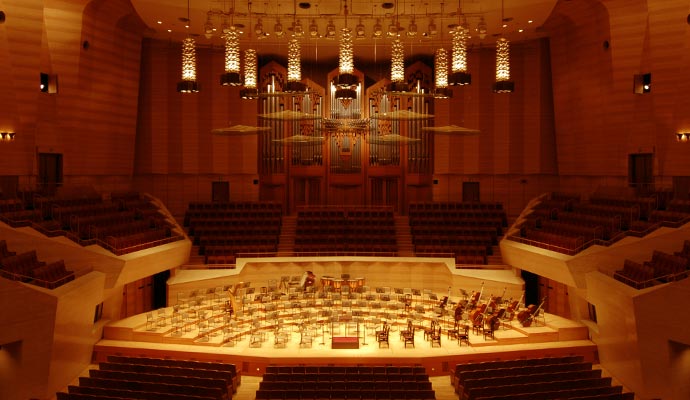
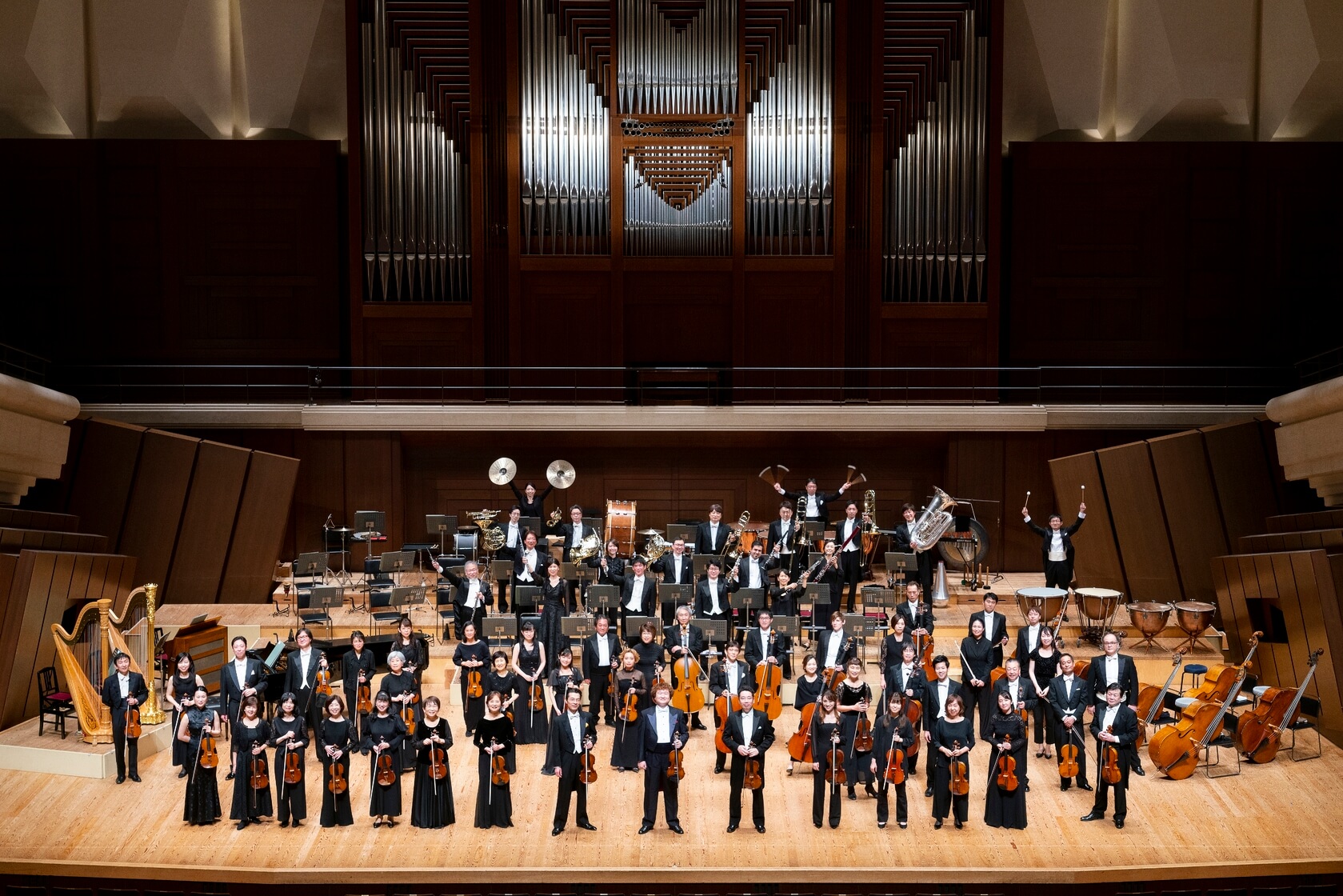

4
Are you Visiting Japan soon?
Let us make your trip effortless. From tickets and hotels to transport and local guides, we arrange everything for you or your group. Whether it’s a music festival in Tokyo or a business conference in Osaka, our custom travel service ensures you enjoy the event stress-free.
Contact Jasumo Now →The New Japan Philharmonic Orchestra #670 Regular Concert (Suntory Hall Series) will take place on: New Japan Philharmonic Tokyo
- Friday, May 8, 2026 — 19:00 start (doors open approximately 18:15)
Venue: Suntory Hall — Main Hall, Tokyo
An additional performance of the same program and artists will be hold on:
- Saturday, May 9, 2026 — 14:00 start (doors open approximately 13:15)
Venue: Sumida Triphony Hall — Tokyo
This concert forms part of the orchestra’s regular Suntory Hall subscription series. New Japan Philharmonic Tokyo.
Performers
- Conductor: Michel Tabachnik
- Cello Soloist: Andrei Ioniță
- Orchestra: New Japan Philharmonic Orchestra
Program
- Maurice Ravel – La Valse
- Dmitri Shostakovich – Cello Concerto No. 1 in E-flat major, Op. 107
- Johannes Brahms – Symphony No. 2 in D major, Op. 73
Photography is permitted after the full concert at Suntory Hall, following the curtain call. The program also includes a pre-concert element before the main performance begins. As standard practice in Japan, programs and performers may be subject to change. New Japan Philharmonic Tokyo.
Table of contents
- Event Overview
- Global Context: Why This Program Matters: New Japan Philharmonic Tokyo
- Japan’s Classical Music Culture: What Makes It Unique: New Japan Philharmonic Tokyo
- What Overseas Visitors Should Plan For: New Japan Philharmonic Tokyo
- Ticketing Systems in Japan: What Visitors Should Know: New Japan Philharmonic Tokyo
- Travel & Venue Logistics: New Japan Philharmonic Tokyo
- Connectivity: An Often Overlooked Detail: New Japan Philharmonic Tokyo
- Cultural Extensions: Building an Evening Around the Concert
- Understanding Japanese Concert Etiquette: New Japan Philharmonic Tokyo
- When Coordination Support May Be Helpful
- Final Preparation Checklist
- Conclusion
- Frequently Asked Questions
Global Context: Why This Program Matters: New Japan Philharmonic Tokyo
For international audiences, this repertoire represents a compelling arc of European orchestral tradition:
- Ravel’s La Valse captures the elegance and instability of early 20th-century Europe.
- Shostakovich’s Cello Concerto No. 1 is among the most technically and emotionally demanding works in the cello repertoire.
- Brahms’ Symphony No. 2 offers warmth, structure, and Romantic lyricism.
While these works are widely perform globally, experiencing them in Tokyo offers a distinct cultural atmosphere shaped by Japan’s deep respect for classical music traditions.
Japan’s Classical Music Culture: What Makes It Unique: New Japan Philharmonic Tokyo
Japanese concert culture is known for:
- Exceptional audience attentiveness
- Minimal movement during performances
- Precise start times
- Strong subscription-based orchestral traditions
Concert halls such as Suntory Hall are design with acoustic excellence as a primary objective. The audience environment is typically quiet, focused, and highly respectful of performers.
For overseas visitors, the experience can feel more formal than in some Western venues — not in dress code, but in etiquette and attentiveness.
What Overseas Visitors Should Plan For: New Japan Philharmonic Tokyo
1. Arrival Timing
Japanese concert doors usually open 30–45 minutes before the start. It is common to:
- Arrive early
- Visit the restroom before the performance
- Be seated before the exact start time
Late seating is sometimes restricted until an appropriate pause.
Advance preparation can help reduce day-of uncertainty.
2. Language Environment
Japanese systems are designed primarily for domestic users. While major halls may offer some English signage, much of the printed program material may be in Japanese.
If understanding program notes is important to you, reviewing the works in advance can be helpful.
3. Photography Rules
Photography during performances is generally prohibited. However, for this May 8 Suntory Hall concert, photography is permitted after the full concert following the curtain call.
Always wait for official announcements before taking photos.
Ticketing Systems in Japan: What Visitors Should Know: New Japan Philharmonic Tokyo
Japan’s ticketing systems for orchestral concerts often involve:
- Member pre-sales
- General sales through domestic ticket platforms
- Convenience-store ticket issuance
- Paper ticket pickup systems
Some overseas visitors may find the process unfamiliar at first.
Common challenges include:
- Japanese-language interfaces
- Domestic credit card requirements
- Limited overseas customer support
- Ticket collection windows at Japanese convenience stores
Understanding how Japanese ticket systems operate can significantly reduce stress, especially for time-sensitive performances.
If you are unsure how to navigate Japanese ticket systems or need coordination assistance, you may contact Jasumo for neutral guidance and system clarification:
https://jasumo.com/contact/
Travel & Venue Logistics: New Japan Philharmonic Tokyo
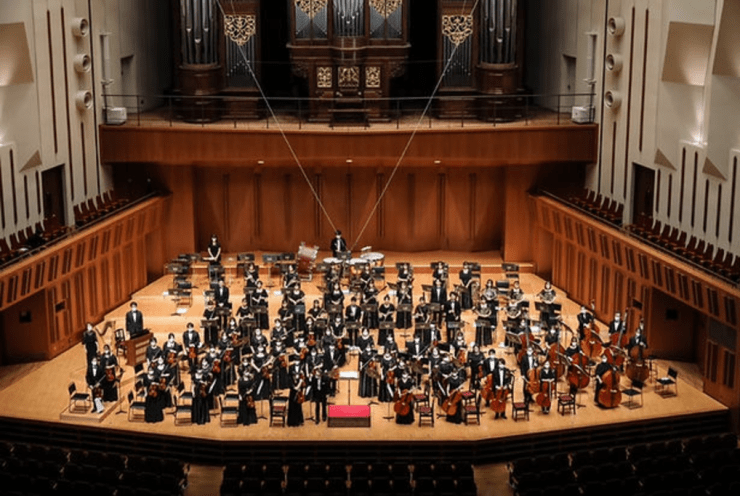
Suntory Hall (May 8 Performance)

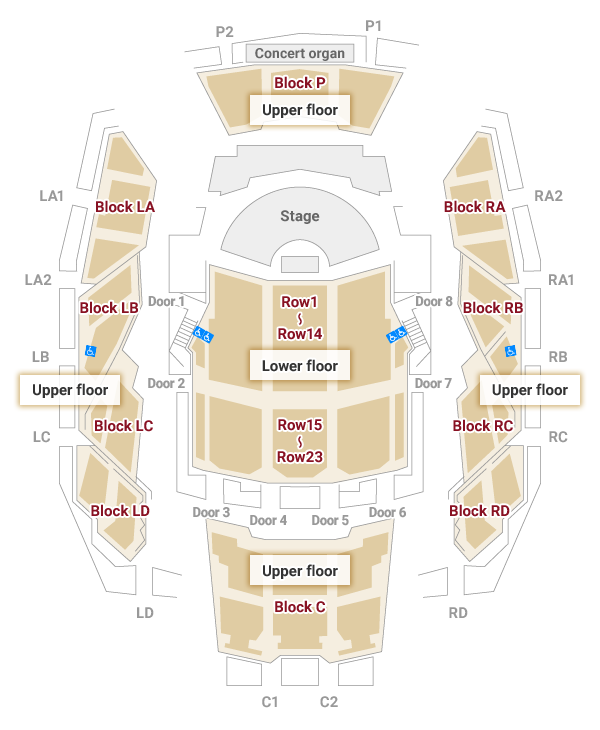
4
Located in central Tokyo, Suntory Hall is widely regarded as one of Japan’s premier classical venues. It is easily accessible via Tokyo’s rail and subway network.
Visitors attending evening performances should:
- Allow buffer time for rush-hour congestion
- Confirm last train times if returning late
- Verify venue entrance points within the Ark Hills complex
Sumida Triphony Hall (May 9 Performance): New Japan Philharmonic Tokyo

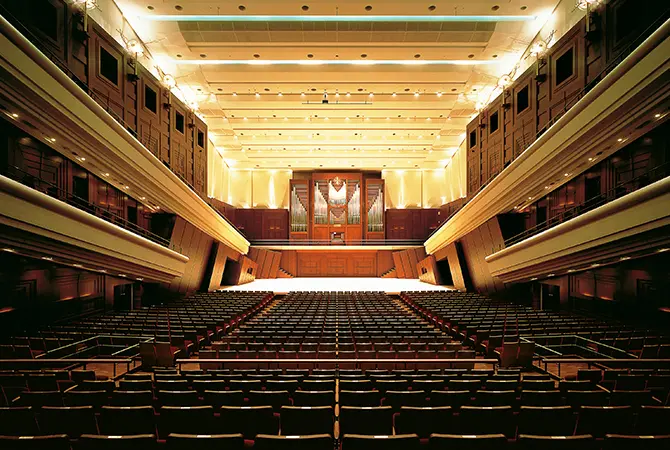
4
The Saturday performance at Sumida Triphony Hall begins at 14:00, making it more suitable for visitors combining sightseeing with a matinee performance.
Afternoon concerts can be easier to coordinate with:
- Same-day travel
- Hotel check-ins
- Evening dining reservations
Connectivity: An Often Overlooked Detail: New Japan Philharmonic Tokyo
Reliable internet access is important for:
- Accessing e-tickets or QR confirmations
- Checking venue updates
- Using Google Maps for station exits
- Translating signage or instructions
Many concert-related communications in Japan occur digitally.
Overseas visitors may consider arranging Japan-compatible connectivity in advance. Information about portable WiFi and SIM solutions can be found at:
https://omoriwifi.com/
Advance planning for connectivity can reduce confusion at ticket counters and station gates.
Cultural Extensions: Building an Evening Around the Concert
Attending a classical concert in Tokyo can be part of a broader cultural evening:
- Pre-concert dining in the Ark Hills area
- Visiting nearby galleries or urban viewpoints
- Exploring Kinshicho before the matinee performance
Japan’s orchestral evenings are often integrated into daily city life rather than positioned as exclusive events.
Understanding Japanese Concert Etiquette: New Japan Philharmonic Tokyo
A few practical reminders:
- Silence phones completely (not just vibration)
- Avoid coughing during quiet passages when possible
- Applause typically occurs after full movements or at conductor cues
- Remain seated until appropriate pauses if you must exit
These norms are consistent across major Japanese halls.
Some overseas visitors may find the quiet concentration more pronounced than in their home countries. This is a cultural feature rather than a restriction.
When Coordination Support May Be Helpful
While many visitors attend concerts independently, certain situations may benefit from local coordination:
- Navigating Japanese ticket systems
- Confirming ticket collection procedures
- Clarifying venue access points
- Understanding performance updates
Jasumo provides informational coordination support for overseas visitors attending events in Japan:
https://jasumo.com/contact/
For professionals exploring Japan’s broader cultural and career landscape, resources are also available through:
https://comfyscareer.com/
These resources are informational and support-focused rather than promotional.
Final Preparation Checklist
Before attending:
✔ Confirm concert date and time (Japan time)
✔ Verify venue location
✔ Confirm ticket format and collection method
✔ Plan transport route and return timing
✔ Secure reliable internet connectivity
✔ Arrive early
Advance preparation allows you to focus fully on the music.
Conclusion
The New Japan Philharmonic Orchestra #670 Regular Concert offers overseas visitors an opportunity to experience European masterworks within Japan’s highly structured and attentive classical music environment.
The May 8 evening at Suntory Hall and the May 9 matinee at Sumida Triphony Hall present the same distinguished program under the direction of Michel Tabachnik, featuring Andrei Ioniță as soloist.
For visitors unfamiliar with Japan’s concert systems, preparation — rather than spontaneity — is the key to confidence.
Japanese systems are designed primarily for domestic users. With planning and clear expectations, attending a classical concert in Tokyo can be seamless and deeply rewarding.
Frequently Asked Questions
The Suntory Hall performance is scheduled for Friday, May 8, 2026, at 7:00 PM, with doors opening at 6:15 PM.
The concert will be held at the Main Hall of Suntory Hall in Tokyo.
Michel Tabachnik will conduct the New Japan Philharmonic, with Andrei Ioniță performing as the cello soloist.
The program includes Ravel’s La Valse, Shostakovich’s Cello Concerto No. 1, and Brahms’ Symphony No. 2.
Yes. The same program will be performed on May 9, 2026, at Sumida Triphony Hall in Tokyo.
Planning a Group Trip to Japan?
From corporate teams to friends traveling together, we create tailor-made travel packages. Enjoy VIP access, curated itineraries, and full support from our local experts. Tell us your plans, and we’ll handle the rest.
Contact Jasumo Now →
