

Okinawa Restaurants Guide 2025: Where to Eat Local
Okinawa is renowned for its vibrant food culture and the remarkable longevity of its people, drawing curious travelers from around the globe. Moreover, unlike mainland Japan, Okinawan cuisine is shaped by a blend of local ingredients such as pork, seaweeds, and tropical produce, as well as centuries of Ryukyu Kingdom and international influences. This guide to okinawa restaurants reveals where to savor authentic flavors, from bustling urban eateries to seaside shacks. Discover regional specialties, must-try dishes, and essential dining etiquette, all designed to help you eat like a true local. Ready to explore hidden culinary gems and enjoy an unforgettable Okinawan journey? Start your adventure here.
Are you Visiting Japan soon?
Let us make your trip effortless. From tickets and hotels to transport and local guides, we arrange everything for you or your group. Whether it’s a music festival in Tokyo or a business conference in Osaka, our custom travel service ensures you enjoy the event stress-free.
Contact Jasumo Now →The Flavors of Okinawa Restaurants : What Makes Local Cuisine Unique
Okinawa’s culinary heritage is a living reflection of its unique island history. Additionally, unlike mainland Japanese cuisine, Okinawan food evolved under the influence of the Ryukyu Kingdom, a maritime hub connecting China, Southeast Asia, and Japan. This rich past shapes the menus of okinawa restaurants, where local flavors and time-honored techniques take center stage.
A Bounty of Signature Ingredients : Okinawa Restaurants
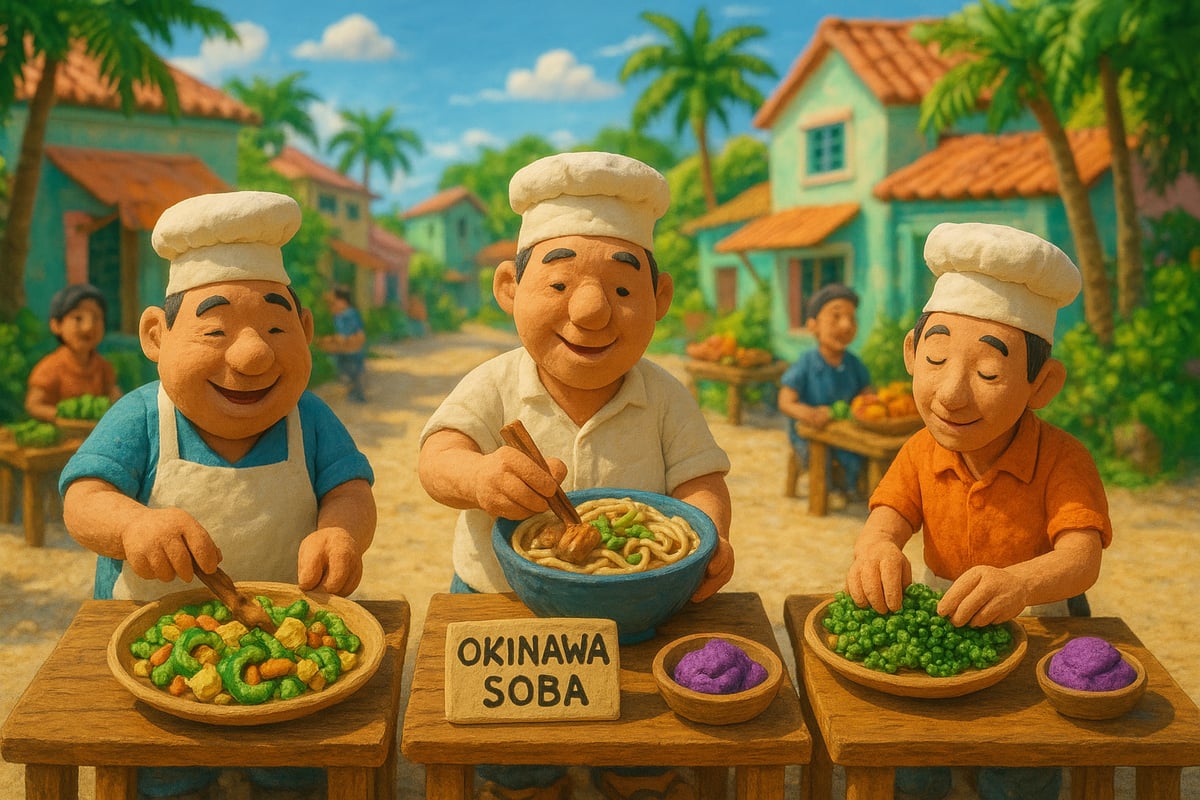
Okinawa restaurants celebrate ingredients rarely found elsewhere in Japan. Pork is a staple, prized for its flavor and versatility. Dishes often feature tender cuts, slow-cooked in soy, awamori, and black sugar. Seaweeds such as umi budo (sea grapes) and mozuku add texture and umami, while goya, a bitter melon, lends a distinctive, refreshing bite to local stir-fries.
Tropical produce is woven into daily meals. Shikuwasa citrus brightens sauces and drinks, and beni imo, the vivid purple sweet potato, colors desserts and breads. Okinawa restaurants source these ingredients from local farms and markets, ensuring peak freshness and flavor.
Table: Iconic Okinawan Ingredients
| Ingredient | Notable Use | Flavor Profile |
|---|---|---|
| Pork | Rafute, Soki, Tebichi | Rich, savory |
| Umi Budo | Raw, in salads | Briny, popping texture |
| Goya | Goya Champuru | Bitter, crisp |
| Shikuwasa | Juices, dressings | Tart, aromatic |
| Beni Imo | Sweets, breads | Sweet, earthy |
Longevity, Health, and the Okinawa Restaurants Diet
Okinawan cuisine is not just delicious, it is renowned for supporting health and longevity. The islands are home to one of the world’s highest concentrations of centenarians. This remarkable vitality is linked to dietary habits centered on vegetables, legumes, and lean proteins, with minimal reliance on processed foods.
Research highlights the benefits of nutrient-dense, antioxidant-rich meals common in okinawa restaurants. For a deeper look at the science behind these traditions, see this in-depth overview of the traditional Okinawan diet. Staples like goya, sweet potato, and seaweeds contribute to lower rates of chronic illness and support metabolic health.
Locals practice hara hachi bu, the custom of eating until 80 percent full. Meals are served in small portions, with emphasis on variety and balance. This mindful approach is reflected in the menus of okinawa restaurants, appealing to both residents and visitors seeking authentic nourishment.
Fusion Influences Okinawa Restaurants : American and Southeast Asian Touches
Okinawa’s cuisine is a vibrant blend of traditions. After World War II, the presence of U S military bases introduced new flavors. Dishes like taco rice, a playful fusion of Tex-Mex and Japanese rice bowls, became local staples. Spam, once a luxury, now features in many home-cooked meals and restaurant menus.
Southeast Asian influences, brought by centuries of trade, appear in the use of turmeric, ginger, and tropical vegetables. The result is a dining scene at okinawa restaurants that is both familiar and adventurous, offering comfort alongside innovation.
Tradition in Preparation and Presentation : Okinawa Restaurants
Okinawa restaurants honor time-tested methods. Pork is simmered low and slow for dishes like rafute, creating melt-in-your-mouth textures. Okinawa soba, with its wheat noodles and pork broth, is served piping hot, topped with green onions and pickled ginger.
Presentation is simple yet elegant. Meals arrive in lacquered bowls and rustic pottery, celebrating the beauty of seasonal, locally sourced ingredients. The importance of fresh produce is evident, as chefs and home cooks alike visit morning markets to select the day’s best.
Signature dishes such as umi budo are often served raw, with light dipping sauces that highlight their natural flavor. The focus on seasonality and provenance distinguishes okinawa restaurants, ensuring every meal tells a story of place and tradition.
Where to Eat in Okinawa Restaurants : Regional Restaurant Highlights
Okinawa restaurants offer a vibrant tapestry of flavors and experiences, reflecting the island’s unique history and multicultural influences. Each region boasts its own culinary treasures, from bustling city centers to tranquil coastal villages. Exploring these areas is essential for anyone wanting to dine like a local and experience the true depth of Okinawan cuisine.
Naha: The Urban Food Hub Okinawa Restaurants
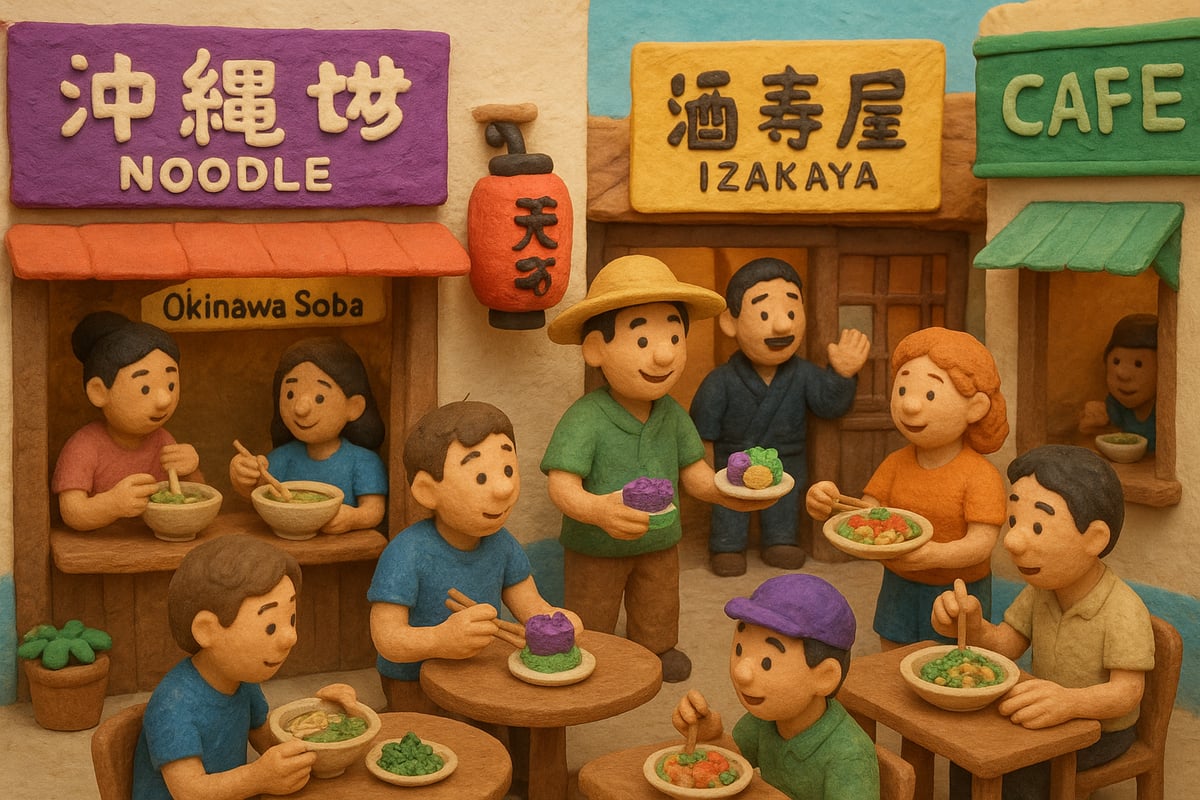
Naha is the beating heart of Okinawa restaurants, blending city energy with traditional tastes. Kokusai Dori, the city’s main street, is alive with food stalls, izakayas, and open-front eateries serving everything from piping hot Okinawa soba to sizzling beef garlic steak. Mazeman Mahoroba is a favorite for stir-fried noodles, while late-night cravings are satisfied at Hokkaido Ramen Hayatemaru.
For a true izakaya experience, Masara impresses with its signature beef garlic steak, and Mekiki no Ginji presents an array of fresh seafood and melt-in-your-mouth pork. Simmered pork spare ribs are a local specialty not to miss, showcasing the depth of flavor that okinawa restaurants are known for.
Navigating menus in Naha can be an adventure, but many establishments offer English translations or photos. Visit during early evening hours for the best selection and atmosphere, as crowds peak later at night. The city’s high density of okinawa restaurants makes it a top destination for both locals and visitors, so consider using services like Jasumo Travel and Dining Concierge for smooth reservations and insider recommendations.
Central Okinawa Restaurants : Chatan, Ginowan, Yomitan
Central Okinawa is renowned for its fusion of American and local influences, seen clearly in the diverse selection of okinawa restaurants. American Village in Chatan is famous for its vibrant taco rice cafes, with Kijimuna leading the way in creative toppings and family-friendly ambiance. The area’s laid-back vibe extends to outdoor seating and beachside patios, perfect for casual dining.
Ginowan’s izakayas, such as Adachi-ya, are beloved for their grilled skewers and welcoming open kitchens. Yomitan, meanwhile, has gained a reputation for artisanal bakeries like Bakery Otonariya, where fresh bread and sweet treats are made daily by local families. Upscale options such as Monogatori Awamori Pub provide refined small plates paired with Okinawa’s signature spirit.
The influence of US military bases is evident in menu offerings, blending classic Japanese dishes with international twists. Average meal prices remain accessible, making central okinawa restaurants popular with both locals and tourists. To discover crowd favorites, ask staff for recommendations or explore during lunchtime when the local scene is most lively.
Northern Okinawa Restaurants: Motobu, Nago, and Beyond
Northern Okinawa offers a more tranquil, nature-driven dining experience, with okinawa restaurants focusing on fresh, local ingredients. Motobu’s coastal markets teem with just-caught sashimi and grilled fish, often enjoyed at rustic seaside shacks. Beachside cafes provide sweeping ocean views and serve up specialties like umi budo, the famed sea grapes best tasted fresh.
Inland, Nago is a hub for farm-to-table cuisine and innovative beni imo desserts, with many restaurants sourcing produce directly from nearby fields. Visitors can discover hidden soba shops and rural izakayas tucked away from tourist routes, rewarding those who venture off the beaten path.
Tourism trends show a rise in food-focused travel to the north, yet authentic local spots remain abundant for those willing to explore. Restaurant availability can vary, so it’s wise to check opening times in advance and consider local advice for finding the best okinawa restaurants. For a truly local experience, seek out family-run establishments and market stalls where tradition meets hospitality.
Must-Try Okinawa Restaurants Dishes and Where to Find Them
Okinawa restaurants are renowned for their culinary heritage, blending local ingredients, inventive recipes, and deep-rooted traditions. To experience the heart of Okinawan culture, sampling these signature dishes is essential. Below, discover what to order, where to find it, and why each dish holds a special place in Okinawa’s food scene.
Okinawa Soba: The Island’s Signature Noodle
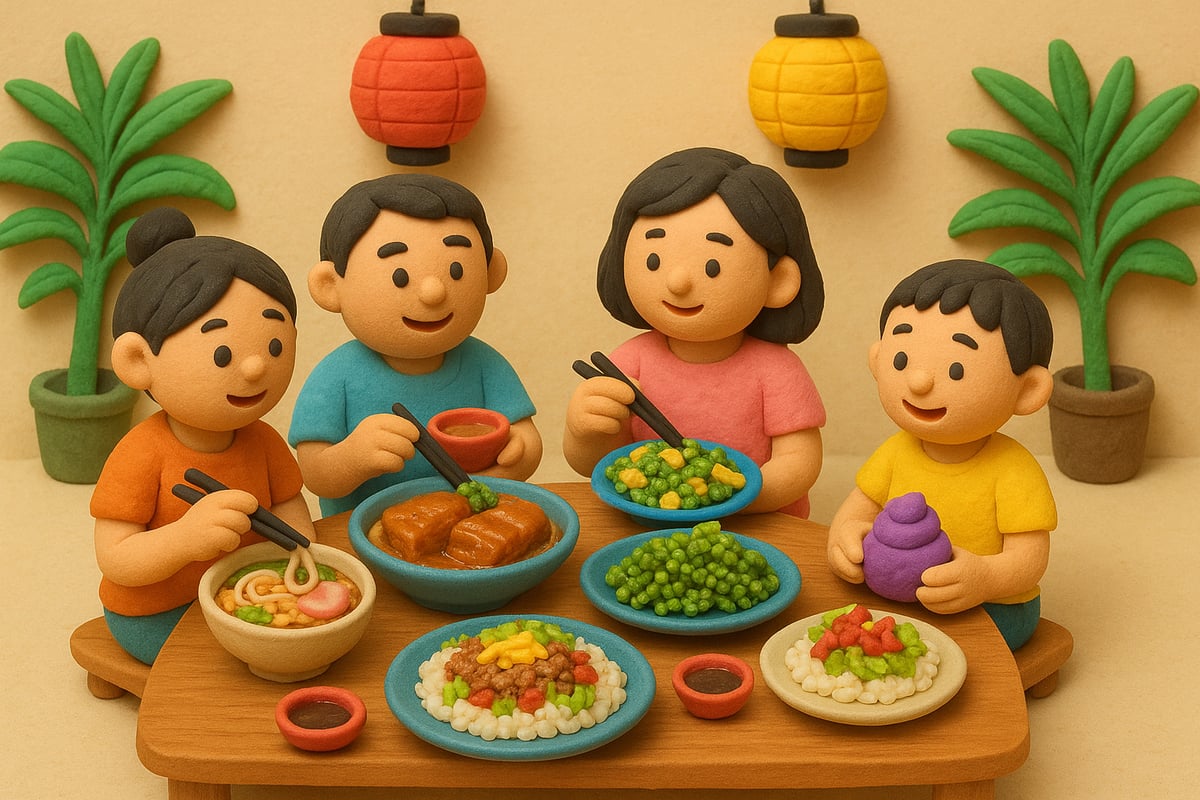
Okinawa soba is a must for any visitor seeking an authentic taste of the region. Unlike traditional soba found elsewhere in Japan, these noodles are thick, chewy, and made from wheat rather than buckwheat. Served in a savory pork-based broth and topped with succulent slices of stewed pork belly, green onions, and pickled ginger, this dish is both comforting and distinctive.
Naha and Nago are home to some of the best Okinawa restaurants specializing in soba. Try locally loved spots where the broth simmers for hours, and each bowl is crafted with care. Okinawa soba’s unique texture and flavor set it apart from ramen, making it a true local specialty.
Rafute and Tebichi: Pork Perfection
Pork plays a central role in Okinawan cuisine, and no dishes showcase this better than Rafute (braised pork belly) and Tebichi (simmered pig’s feet). Rafute features tender pork belly slow-cooked in soy sauce, Okinawan black sugar, and awamori, resulting in a melt-in-your-mouth delicacy. Tebichi, rich in collagen, is prized for its silky texture and nourishing qualities.
Seek out traditional Okinawa restaurants and izakayas that prepare Rafute and Tebichi using time-honored recipes. These dishes not only reflect the island’s culinary ingenuity but also its emphasis on using every part of the animal in respectful, flavorful ways.
Goya Champuru: Stir-Fried Bitter Melon
Goya Champuru is a quintessential home-style stir-fry featuring bitter melon, tofu, pork, and eggs. The dish’s slightly bitter taste is balanced by savory and umami notes, offering a refreshing change from heavier fare. Goya, or bitter melon, is celebrated for its high vitamin and mineral content, contributing to the renowned longevity of Okinawa’s residents.
For the best Goya Champuru, visit Okinawa restaurants known for their home-cooked flavors or cozy izakayas. Studies highlight the Okinawan diet health benefits, with dishes like Goya Champuru linked to reduced risk of chronic disease and overall well-being.
Umi Budō and Mozuku: Seaweed Specialties
Seaweed is an Okinawan staple, and Umi Budō (sea grapes) and Mozuku stand out for their unique textures and flavors. Umi Budō bursts with briny freshness, often served simply with a tangy ponzu dipping sauce. Mozuku, a slipper, nutrient-rich seaweed, is typically enjoy in vinegar or as a tempura.
Coastal Okinawa restaurants, seafood markets, and izakayas are the best places to sample these specialties. Freshness is key, so look for venues that source ingredients daily from local fishermen. Both seaweeds are prize not only for their taste but also for their role in a balance, healthy diet.
Taco Rice: Okinawa’s Fusion Favorite
Taco rice exemplifies Okinawa’s fusion spirit, blending American and Japanese flavors. This dish features seasoned ground beef, lettuce, tomato, and cheese atop a bed of steamed rice, often finished with salsa. Originally created near US military bases, taco rice quickly became a beloved staple among locals and visitors alike ticket.
Chatan’s American Village hosts many Okinawa restaurants specializing in taco rice, such as Kijimuna, where inventive toppings and family-friendly portions are the norm. Its popularity stems from its comforting flavors and easy customization, making it a hit with all ages.
Beni Imo Delights: Purple Sweet Potato Treats
Beni imo, or Okinawan purple sweet potato, inspires a range of sweet and savory creations. From rich tarts and creamy ice creams to delicate pastries, beni imo’s vibrant color and natural sweetness make it a favorite ingredient in Okinawa restaurants and bakeries.
For the best beni imo desserts, explore bakeries in Nago and Yomitan, where family-run shops craft treats daily. Signature items like beni imo tarts showcase the island’s agricultural heritage and creative approach to traditional sweets, offering a taste of Okinawa’s unique terroir.
Dining Like a Local: Etiquette, Tips, and Insider Advice
Dining in okinawa restaurants is more than just enjoying a meal; it is a window into the island’s unique culture and traditions. Understanding local etiquette and practical tips will help visitors savor every bite and make each dining experience memorable.
Navigating Menus and Ordering
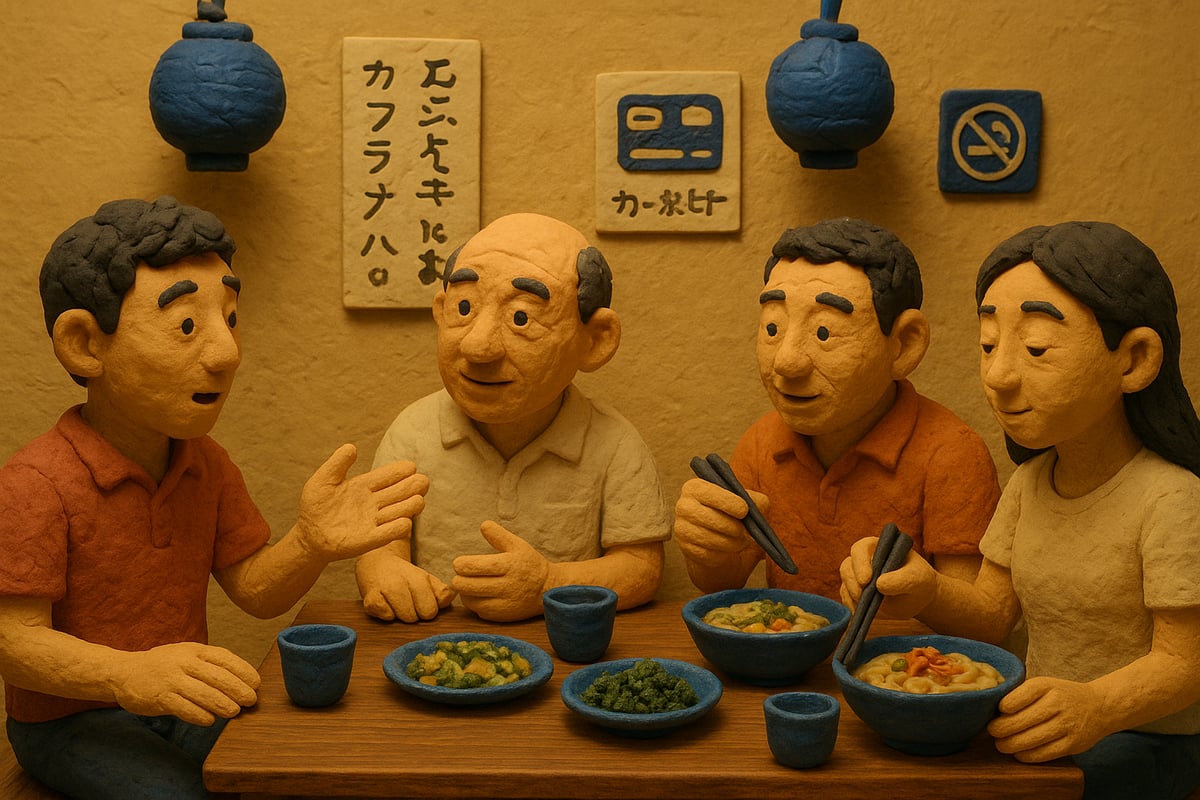
Menus at okinawa restaurants often feature local scripts and limited English translations. Many eateries display plastic food models or photos, making it easier to point and order. Do not hesitate to ask staff for recommendations or use translation apps for clarity. Locals appreciate when visitors try to pronounce dish names, even if imperfectly.
Table Manners and Etiquette
Okinawan dining culture values respect, harmony, and sharing. In okinawa restaurants, it is polite to wait for everyone to be serve before eating. Use chopsticks correctly, and never stick them upright in rice. Pour drinks for others at the table and say “itadakimasu” before starting your meal. Tipping is not customary, as service is includ in the bill.
Reservations and Peak Times
Popular okinawa restaurants and izakayas fill up quickly, especially on weekends and holidays. Making a reservation is high recommend for sought-after spots or large groups. Most venues accept phone bookings, and many hotels can assist with arrangements. Arriving early or dining during off-peak hours, such as late afternoon, can help avoid long waits.
Dietary Needs and Food Allergies
Vegetarian and vegan options are increasingly available at okinawa restaurants, though pork and seafood are common staples. Communicate dietary restrictions clearly in advance. Carry a translation card or show allergy information on your phone. Staff are generally accommodating but appreciate advance notice for special requests.
Payment Methods and Tips
Most okinawa restaurants accept cash, with credit cards and IC cards gaining popularity in urban areas. Always check payment options before dining. Some establishments operate on a pay-at-the-counter system. For digital nomads or travelers seeking seamless transactions and local dining advice, Digital Nomad Support in Japan offers practical guidance and resources.
Useful Japanese Phrases for Dining Out
Learning a few key phrases enhances the experience at okinawa restaurants:
- “Sumimasen” (Excuse me) to get attention
- “Kore kudasai” (This one, please) when pointing at menu items
- “Okanjo onegaishimasu” (The check, please)
- “Osusume wa nan desu ka?” (What do you recommend?)
- “Arigatou gozaimasu” (Thank you very much)
Using these phrases is appreciat and can spark friend interactions with staff.
Izakaya Dining and Group Meals
Izakayas are a cornerstone of okinawa restaurants, fostering a communal and lively atmosphere. Dishes are share among the group, with everyone sampling from central platters. It is common to order several rounds of small plates and drinks. Smoking areas may be present, so check for non-smoking sections if needed. Locals enjoy lingering over conversation and food, making each meal a social event to remember.
Dining at okinawa restaurants is a chance to immerse yourself in local culture, savor authentic flavors, and connect with the community. With a little preparation and cultural awareness, every meal becomes a highlight of your Okinawa adventure.
Planning Your Culinary Adventure: Logistics and Smart Travel Tips
Embarking on a journey to discover Okinawa restaurants is an adventure in itself. Planning ahead ensures you savor every local bite, from bustling urban food hubs to remote seaside shacks. This section covers essential logistics, smart tips, and insider advice for navigating Okinawa’s unique dining scene with ease.
Getting Around Okinawa for Foodies
Okinawa restaurants are spread across vibrant urban centers and scenic rural areas, so efficient transport is key for food lovers. Renting a car offers maximum flexibility, especially for exploring off-the-beaten-path eateries in northern Okinawa or rural villages. Public buses connect major towns and tourist spots, but schedules can be infrequent outside city centers.
Taxis are reliable for short trips, especially after late-night izakaya visits. Parking is general available near popular okinawa restaurants, though central Naha and Chatan can get crowd during peak hours. If driving, remember that roads can be narrow in rural areas, and local driving etiquette values patience and courtesy.
Making Reservations and Avoiding Crowds
Many okinawa restaurants are small, family-run establishments, making reservations a smart move—especially for group dining or visiting top-rated spots. Reservations can be made by phone, through official websit, or with help from your hotel concierge. Some restaurants accept bookings via popular Japanese apps, but English support can be limit.
Peak dining hours in Okinawa are typically 6pm to 8pm. For a more relaxed experience, consider dining early or late. Weekends and holidays draw local crowds, so plan ahead to avoid long waits. Advance reservations are especially important for renowned soba houses and izakayas in busy districts.
SIM Cards, Wi-Fi, and Staying Connected
Staying connected is essential for finding okinawa restaurants, making reservations, and navigating new neighborhoods. SIM cards and portable Wi-Fi routers are available at Naha Airport, convenience stores, and online. OMORI WiFi is recommen for reliable coverage and easy pick-up or delivery.
With a stable connection, use Google Maps to locate hidden gems and translation apps to decode menus. Many restaurants offer free Wi-Fi, but mobile connectiv ensures you are never lost, even in rural areas. Keeping your phone charged and online streamlines your culinary exploration.
Food Festivals and Seasonal Events
Okinawa’s food scene comes alive during festivals, where visitors can sample specialties from dozens of okinawa restaurants at once. Seasonal events like the Naha Tug-of-War Festival and Churaumi Food Festival in Motobu showcase street food, sweets, and Awamori tastings.
For a truly immersive experience, explore the Okinawa All Islands Eisa Festival, where vibrant dance performances are pair with food stalls serving local favorites. Check event calendars in advance, as some festivals draw large crowds and limited edition dishes.
Jasumo: Personalized Travel and Dining Support in Okinawa
Jasumo provides seamless support for discovering and booking okinawa restaurants, ensuring a stress-free dining adventure. Their bilingual concierge team assists with group reservations, dietary requests, and special experiences at top eateries. Jasumo also helps coordinate transportation, SIM card delivery, and local logistics for culinary travelers.
Whether you are a digital nomad, first-time visitor, or planning a group celebration, Jasumo’s personalized service guarantees access to hidden gems and memorable dining moments. With expert guidance, exploring okinawa restaurants becomes effortless and deeply rewarding.
Beyond the Plate: Exploring Okinawa’s Culinary Culture
Okinawa restaurants are more than places to dine—they are gateways into the island’s vibrant culinary culture. Food is central to local festivals, family gatherings, and everyday rituals. From lively New Year’s celebrations to harvest festivals, traditional dishes connect generations and celebrate Okinawa’s rich heritage. Many Okinawa restaurants participate in these events, offering special menus that highlight local flavors and foster a sense of community.
Cooking classes and guided market tours offer immersive ways to experience Okinawa restaurants beyond the typical meal. Visitors can learn to prepare Goya Champuru or Rafute alongside local chefs, discovering firsthand the techniques and stories behind each recipe. Market tours, such as those at Makishi Public Market, introduce travelers to unique ingredients like umi budo and shikuwasa. These experiences provide a deeper appreciation for the region’s food culture and the skill found in Okinawa restaurants.
Tasting sessions are another highlight of Okinawa’s food scene. Many Okinawa restaurants and izakayas offer local sake and Awamori tastings, allowing guests to sample the island’s distinctive spirits. Visiting bustling markets like Nago City Market is also a must for anyone seeking fresh seafood, seasonal produce, and authentic street food. These live spaces serve as the heart of Okinawa’s culinary life and are often recommen by Okinawa restaurants for their genuine local atmosphere.
Sustainable Okinawa Restaurants and Travel Support
Gift shopping is a memorable part of the culinary journey. Specialty shops and markets near Okinawa restaurants feature a wide range of condiments, sweets, and souvenirs. Shoppers can find beni imo tarts, Okinawan black sugar, and artisanal sea salt to bring home a taste of the islands. For curated recommendations on where to buy these treasures, explore Japanese Food Gift Shopping for insider tips and the best local finds.
Sustainability and community engagement are increasingly important in Okinawa’s food culture. Many Okinawa restaurants participate in farm-to-table initiatives and collaborate with local producers. Community-based food projects and sustainable dining efforts are helping to preserve traditional techniques while supporting the island’s farmers and fishers. Culinary tourism continues to grow as travelers seek authentic experiences, making Okinawa restaurants central to both cultural exploration and responsible travel.
Jasumo.com makes traveling in Japan effortless—contact us via https://jasumo.com/contact/
. For SIM cards or Wi-Fi, visit https://omoriwifi.com/.
Whether you are excited to savor Okinawa soba in a bustling Naha izakaya or eager to discover hidden seaside cafés in Motobu, planning your culinary journey can feel overwhelming. That is where having local support truly makes a difference. With personalized assistance for reservations, dietary preferences, SIM card delivery, and seamless logistics, you can focus entirely on enjoying each meal and new experience. If you want to make the most of Okinawa’s vibrant food scene and travel with total peace of mind, plan your Japan trip with local support get personaliz assistance through our concierge service.
Frequently Asked Questions : Okinawa Restaurants
The best Okinawa Restaurants serve authentic local cuisine, including Okinawa soba, goya champuru, fresh seafood, and traditional Ryukyuan dishes.
Popular dishes at Okinawa Restaurants include Okinawa soba, rafute (braised pork belly), taco rice, goya champuru, umi budo (sea grapes), and sata andagi.
Many Okinawa Restaurants offer vegetarian-friendly options, such as tofu dishes, vegetable stir-fries, seaweed salads, and seasonal local produce. It’s helpful to ask about ingredients before ordering.
Reservations are recommended for popular Okinawa Restaurants, especially during weekends, holidays, and peak tourist seasons. Smaller local eateries may accept walk-in guests.
You can enjoy Okinawa Restaurants year-round. Visiting during lunch often offers more affordable set menus, while dinner provides a wider selection of local specialties and fresh seafood.
Planning a Group Trip to Japan?
From corporate teams to friends traveling together, we create tailor-made travel packages. Enjoy VIP access, curated itineraries, and full support from our local experts. Tell us your plans, and we’ll handle the rest.
Contact Jasumo Now →
