

Ultimate Guide to Osaka Restaurants: Eat Like a Local in 2026
Welcome to the world of osaka restaurants, where every street corner in this vibrant Japanese city tempts visitors with irresistible aromas and local specialties. Known as Japan’s kitchen, Osaka is a culinary paradise waiting to be explored by those who crave authentic flavors and genuine dining experiences.
Are you Visiting Japan soon?
Let us make your trip effortless. From tickets and hotels to transport and local guides, we arrange everything for you or your group. Whether it’s a music festival in Tokyo or a business conference in Osaka, our custom travel service ensures you enjoy the event stress-free.
Contact Jasumo Now →This guide is designed to help travelers eat like a local, offering insights into the city’s unique food culture, essential etiquette, and hidden neighborhood gems. Discover must-try dishes, practical tips, and expert recommendations that go beyond the typical tourist trails.
Ready to dive into the heart of Osaka’s dining scene? Let this guide lead you on a journey through flavors, traditions, and unforgettable meals.
Understanding Osaka’s Food Culture
Osaka in Japan is often called “Japan’s Kitchen,” a title earned through centuries of culinary innovation and local pride. The city’s food scene is both lively and deeply rooted in tradition, making dining at Osaka restaurants a memorable experience for any traveler.
The Soul of Osaka Cuisine
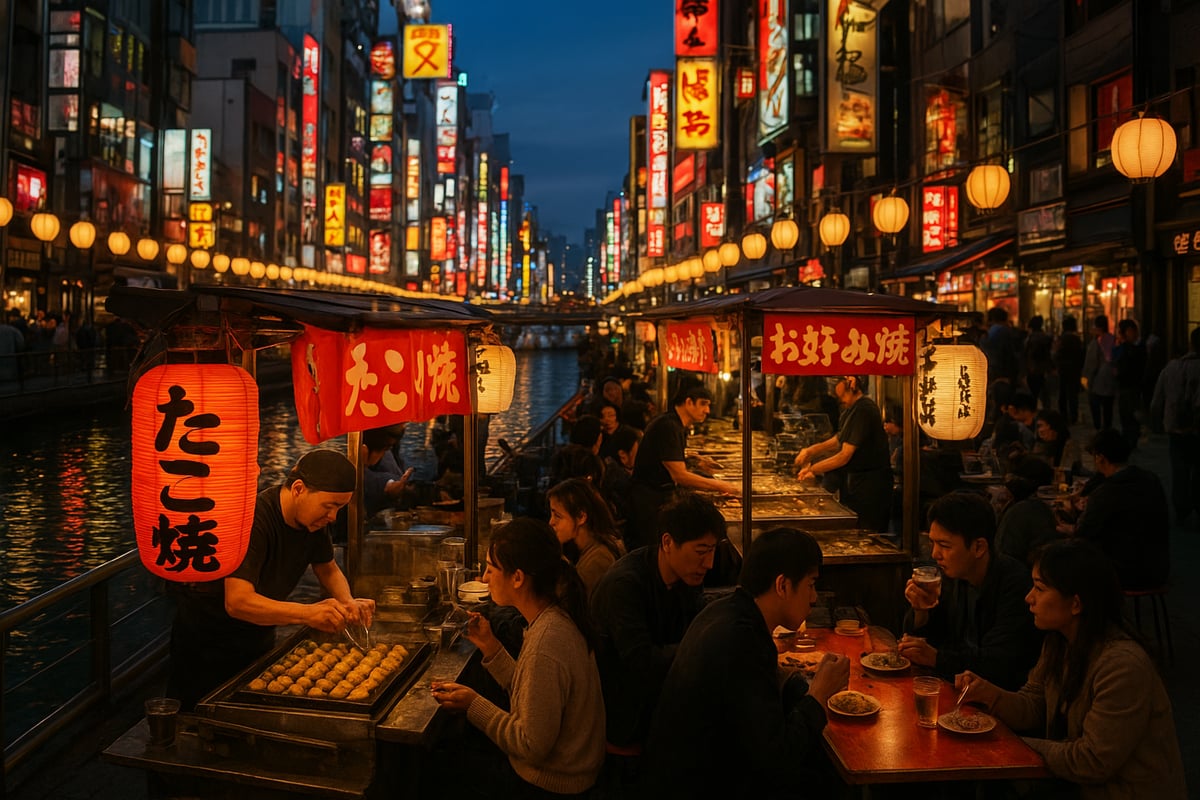
Osaka’s unique position as a port and merchant hub shaped its cuisine, with access to fresh seafood, vegetables, and a constant exchange of culinary ideas. Locals embrace the concept of “kuidaore,” meaning to eat until you drop, reflecting a spirit of joyful indulgence that defines many Osaka restaurants.
Street food is central to daily life. The city is famed for takoyaki (octopus balls), okonomiyaki (savory pancakes), and kushikatsu (deep-fried skewers). Each dish tells a story: takoyaki originated in the 1930s, while okonomiyaki developed as a post-war comfort food. Strolling through markets and alleys, visitors find countless vendors perfecting these classics.
Casual dining is a hallmark of Osaka restaurants. Izakayas (Japanese pubs), market stalls, and standing bars offer a relaxed atmosphere where sharing plates and lively conversation are encouraged. Unlike Tokyo’s refined elegance or Kyoto’s seasonal kaiseki, Osaka cuisine champions hearty flavors and communal enjoyment.
| Feature | Osaka Cuisine | Tokyo Cuisine | Kyoto Cuisine |
|---|---|---|---|
| Signature Dishes | Takoyaki, Okonomiyaki, Kushikatsu | Sushi, Ramen, Tempura | Kaiseki, Yudofu, Obanzai |
| Dining Style | Casual, Social | Polished, Modern | Refined, Seasonal |
| Street Food | Very Prominent | Moderate | Limited |
Food is woven into Osaka’s festivals and daily rituals. From cherry blossom picnics to bustling night markets, eating together is a celebration. The city has one of the highest restaurant-to-resident ratios in Japan, ensuring that Osaka restaurants cater to every taste and occasion.
Navigating Local Dining Etiquette
Dining at Osaka restaurants involves customs that reflect hospitality and efficiency. Seating may be at communal tables, counters, or tatami mats. It is common to shout orders to staff, especially in busy izakayas, fostering a lively mood.
Most Osaka restaurants operate on a pay-at-the-counter system. Many smaller venues are cash-only, so carrying yen is essential. Tipping is not practiced in Japan, as polite service is standard.
Table manners in Osaka encourage sharing. Dishes arrive as they are ready, and groups often sample everything together. At kushikatsu spots, never double-dip skewers in the communal sauce. Interacting with chefs, especially at open kitchens, is welcomed—smiles and simple greetings go a long way.
Reservations are recommended at popular Osaka restaurants, but many places accommodate walk-ins, especially at lunch. Menus may be in Japanese, but picture menus and plastic food displays help non-Japanese speakers. Technology such as QR codes and vending machine ordering makes the process smoother.
For those interested in a deeper understanding of local customs, the Japanese dining etiquette guide offers comprehensive tips. Bilingual support from services like Jasumo can also ease cultural barriers, ensuring a stress-free dining adventure.
Ultimately, exploring Osaka restaurants is about more than the food—it is an invitation to connect with the city’s culture and community.
Neighborhoods to Eat Like a Local
Osaka, Japan, is a city where every neighborhood tells its own culinary story. Each area offers a unique blend of flavors, traditions, and atmospheres, making it essential to explore beyond the main tourist paths. Understanding where locals eat is key to unlocking the full experience of Osaka restaurants.
Dotonbori: The Pulsing Heart of Osaka Dining
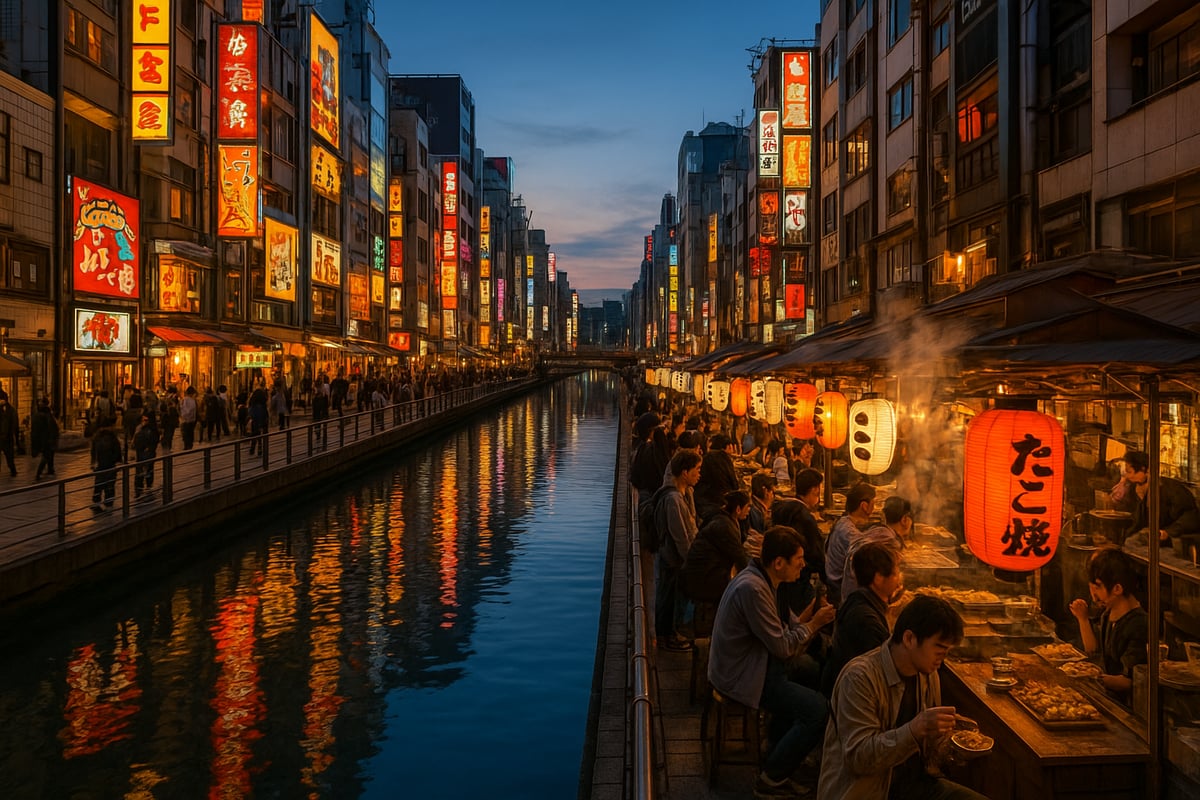
Dotonbori is the beating heart of Osaka restaurants, famous for its electrifying energy and dazzling neon lights. The canal-side promenades are lined with iconic food stalls and eateries, where the aroma of freshly cooked takoyaki and okonomiyaki fills the air. Visitors can immerse themselves in street food culture, sampling delicacies from vendors that have served locals for generations.
Must-try stops in Dotonbori include Takoyaki Umaiya, known for its crispy exterior and creamy octopus filling, and lively kushikatsu bars where skewers are fried to perfection. The area is just as vibrant late at night, drawing both locals and travelers seeking authentic flavors.
To avoid tourist traps, look for smaller venues tucked away from the main street. For those planning a food adventure, browse Famous places to eat in Osaka for curated recommendations and insider tips.
Shinsekai & Tennoji: Retro Flavors and Local Favorites
Stepping into Shinsekai and Tennoji offers a glimpse into Osaka’s Showa-era charm. These neighborhoods are celebrated for their retro atmosphere, where classic Osaka restaurants and casual izakayas have thrived for decades. The aroma of kushikatsu, deep-fried skewers served piping hot, is unmistakable as you wander through Jan Jan Yokocho alley.
Shinsekai’s standing bars and affordable eateries are beloved by locals. Here, communal tables invite conversation, and the no-frills environment keeps the focus on flavor. Safety is rarely a concern, but first-time visitors should keep valuables secure and respect local etiquette by following the no double-dipping rule for sauces.
Tennoji, with its mix of old and new, is a great spot to discover Osaka restaurants that blend tradition and innovation. Many venues are cash-only, so be prepared. Exploring these neighborhoods gives travelers a true taste of local life and culinary heritage.
Umeda & Kita: Modern Dining and Hidden Gems
Umeda and Kita form Osaka’s business and shopping hub, where modern skyscrapers house a diverse range of Osaka restaurants. This district balances upscale dining with casual gems, making it a favorite for both office workers and food enthusiasts. Specialty coffee shops like Aoma Coffee and LiLo Coffee Roasters draw crowds with their hand-crafted brews.
French-Japanese bakeries such as Canelé du Japon offer delicate pastries with a local twist, while contemporary wine bars like Su present inventive small plates. Department store food halls are a treasure trove for gourmet takeaways, featuring bento, sushi, and seasonal sweets.
Lunch specials are popular in Umeda, giving visitors a chance to try high-quality meals at accessible prices. After work, izakayas fill up quickly, so arrive early or make a reservation to enjoy the full range of Osaka restaurants in this vibrant district.
Kuromon Ichiba Market: Osaka’s Fresh Food Wonderland
Kuromon Ichiba Market is a must-visit for anyone eager to experience the freshest flavors Osaka restaurants have to offer. With over 150 shops, the market is a sensory feast, featuring seafood, grilled eel, and street snacks prepared before your eyes. The lively atmosphere attracts both chefs and local families, who come to source ingredients and savor ready-to-eat delicacies.
Stalls offer seasonal specialties, from juicy uni in summer to sweet strawberries in winter. Sampling is encouraged, but remember to pay promptly and dispose of waste properly. Many vendors accept cash only, so plan accordingly.
Navigating Kuromon Ichiba is a lesson in local etiquette, from interacting with vendors to sharing benches with fellow diners. Whether you are shopping for ingredients or enjoying a quick bite, this market remains one of the cornerstones of Osaka restaurants and culinary culture.
Must-Try Osaka Dishes and Where to Find Them
Osaka’s vibrant food scene is a tapestry of flavors and traditions, making it a dream for culinary explorers. Sampling the city’s signature dishes is essential for anyone hoping to experience osaka restaurants like a true local. From bustling street stalls to revered counters, each specialty tells a story of Osaka’s unique approach to food.
Takoyaki: The Quintessential Osaka Snack
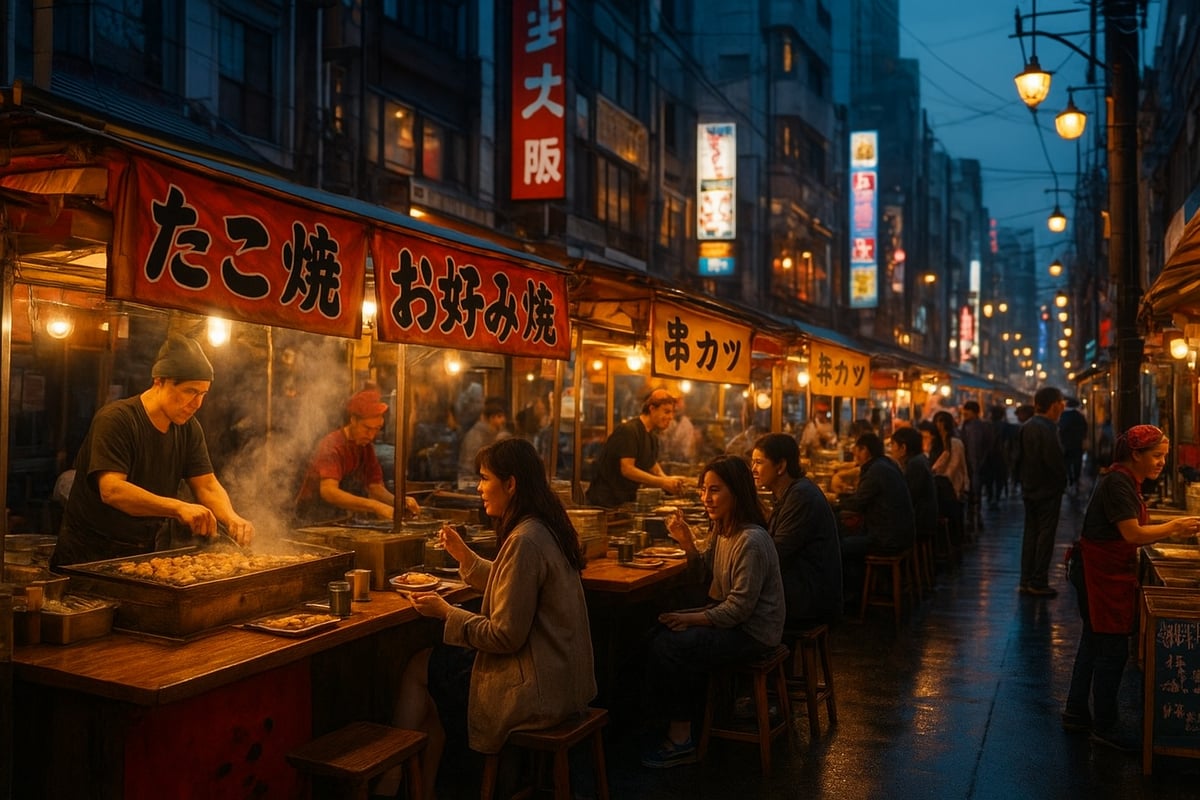
Takoyaki, or octopus balls, are a beloved symbol of osaka restaurants. These golden spheres are made from a wheat-based batter, filled with diced octopus, green onion, and pickled ginger, then cooked in special molded pans. The result is crispy outside, creamy inside, and topped with tangy sauce, bonito flakes, and seaweed.
Watching takoyaki masters flip the balls with precision is part of the experience. Dotonbori is famous for its takoyaki stalls, with Takoyaki Umaiya standing out for its long history and loyal following. Locals recommend eating them hot off the grill, savoring the contrast of textures.
- Best spots: Dotonbori street stalls, Takoyaki Umaiya (second oldest in Osaka)
- Sauce variations: Worcestershire-based, spicy, or mayonnaise-topped
- Etiquette tip: Eat carefully, as the filling can be piping hot
Takoyaki’s popularity reflects Osaka’s spirit of casual, communal dining, central to the osaka restaurants culture.
Okonomiyaki: Osaka’s Savory Pancake
Okonomiyaki is another staple of osaka restaurants, often described as a savory pancake, but each bite reveals much more. The base is shredded cabbage mixed with batter, eggs, and your choice of fillings like pork, seafood, or cheese. It’s cooked on a griddle and finished with rich okonomiyaki sauce, mayonnaise, bonito flakes, and seaweed.
Many restaurants let diners cook their own at the table, while others offer chef-prepared options at the counter. Customization is encouraged, with locals adding mochi, kimchi, or extra green onions. The social aspect—sharing a hot plate with friends—makes okonomiyaki a favorite for gatherings.
- Top venues: Local counters in Namba, family-run shops in Shinsekai
- Cooking style: Table grills or chef-prepared
- Add-ons: Tempura bits, squid, or extra cheese
For those seeking the best, consult the Michelin Guide Kyoto-Osaka 2025 for acclaimed restaurants and hidden gems.
Kushikatsu: Deep-Fried Delights
Kushikatsu, or skewered and deep-fried bites, are a Shinsekai classic and a must in any osaka restaurants guide. The dish features meat, seafood, and vegetables dipped in batter and fried until golden. Each skewer is served with communal dipping sauce—no double-dipping allowed, a point of local pride.
Jan Jan Yokocho alley is renowned for its old-school kushikatsu bars, where the atmosphere is lively and welcoming. Vegetarian options, such as lotus root or sweet potato, are widely available. Locals often pair kushikatsu with cold beer or sake, making it a favorite after-work snack.
- Standout shops: Kushikatsu Daruma, long-running family establishments
- Dipping rule: Use the sauce only once per skewer
- Popular varieties: Quail egg, shrimp, onion
The informal vibe of kushikatsu bars exemplifies the approachable nature of osaka restaurants.
Ramen and Udon: Noodle Culture in Osaka
Noodle lovers will find osaka restaurants cater to every preference, from rich ramen broths to silky udon. Osaka’s ramen shops serve shoyu (soy sauce), shio (salt), and miso-based soups, often with local twists like grilled pork or spicy toppings. Ramen Chonmage Osaka Tenroku is a local favorite for inventive flavors.
Udon and soba shops offer hand-pulled noodles in light broths, with toppings such as tempura, green onions, or grated yam. Many establishments operate on a self-service model, where diners select their toppings and pay at the counter. Slurping noodles is not only accepted, but encouraged as a sign of enjoyment.
- Notable shops: Ramen Chonmage Osaka Tenroku, neighborhood udon counters
- Toppings: Tempura, soft-boiled eggs, local greens
- Etiquette: Slurp noodles to enhance flavor and show appreciation
Noodle culture is an integral part of the osaka restaurants landscape, reflecting both tradition and innovation.
Sushi, Sashimi, and Seafood
Osaka’s proximity to the sea ensures fresh seafood is always on offer in osaka restaurants. Sushi here is often more relaxed than in Tokyo, with conveyor-belt venues and casual counters popular across the city. Kuromon Ichiba Market is a top spot to sample fatty tuna, sea urchin, and seasonal catches, often prepared right before your eyes.
Traditional sushi bars offer omakase (chef’s choice) experiences, while bustling markets cater to quick bites and affordable plates. Sashimi lovers should seek out specialty shops known for their knife skills and attention to freshness. For an elevated experience, Michelin-starred establishments provide refined tasting menus and expert pairings.
- Where to go: Kuromon Ichiba Market, hidden sushi counters, conveyor-belt restaurants
- Seasonal specialties: Uni (sea urchin), anago (conger eel), iwashi (sardine)
- Experience: Watch chefs prepare nigiri, try local sake pairings
Seafood is a highlight of osaka restaurants, celebrated for both quality and accessibility.
Sweets and Cafés: Japanese Desserts in Osaka
Sweets culture thrives in osaka restaurants, where traditional wagashi meet French-inspired pastries. Kakigori, or shaved ice topped with fruit syrups and condensed milk, is a summer favorite at Kaigen Café. For year-round delights, Canelé du Japon offers pastries blending Japanese flavors with European techniques.
Specialty coffee shops such as Aoma Coffee and LiLo Coffee Roasters are havens for caffeine enthusiasts, featuring single-origin beans and meticulous brewing methods. Matcha desserts, mochi, and dorayaki fill local cafés, providing a sweet counterpoint to savory meals. Many spots are designed for relaxation, with minimalist interiors and friendly staff.
- Notable cafés: Kaigen Café, Canelé du Japon, Aoma Coffee, LiLo Coffee Roasters
- Signature treats: Matcha roll cakes, canelés, kakigori
- Ambiance: Cozy, modern, and welcoming to visitors
Desserts and coffee culture round out the osaka restaurants experience, offering a perfect end to any culinary adventure.
Jasumo provides expert guidance for discovering authentic osaka restaurants and arranging memorable dining experiences. For seamless travel, OMORI WiFi is recommended for staying connected while exploring Japan’s culinary hotspots.
Jasumo.com makes traveling in Japan effortless—contact us via https://jasumo.com/contact/
. For SIM cards or Wi-Fi, visit https://omoriwifi.com/.
Local Restaurant Recommendations: From Street Food to Fine Dining
Osaka restaurants offer a culinary journey for every traveler. From bustling street food stalls to refined fine dining, the city’s food scene reflects its rich culture and diversity. Whether you crave classic comfort food or innovative cuisine, Osaka restaurants cater to every palate and occasion. Jasumo’s concierge team can help unlock local gems and manage reservations, making every meal memorable.
Street Food Stalls and Casual Eateries
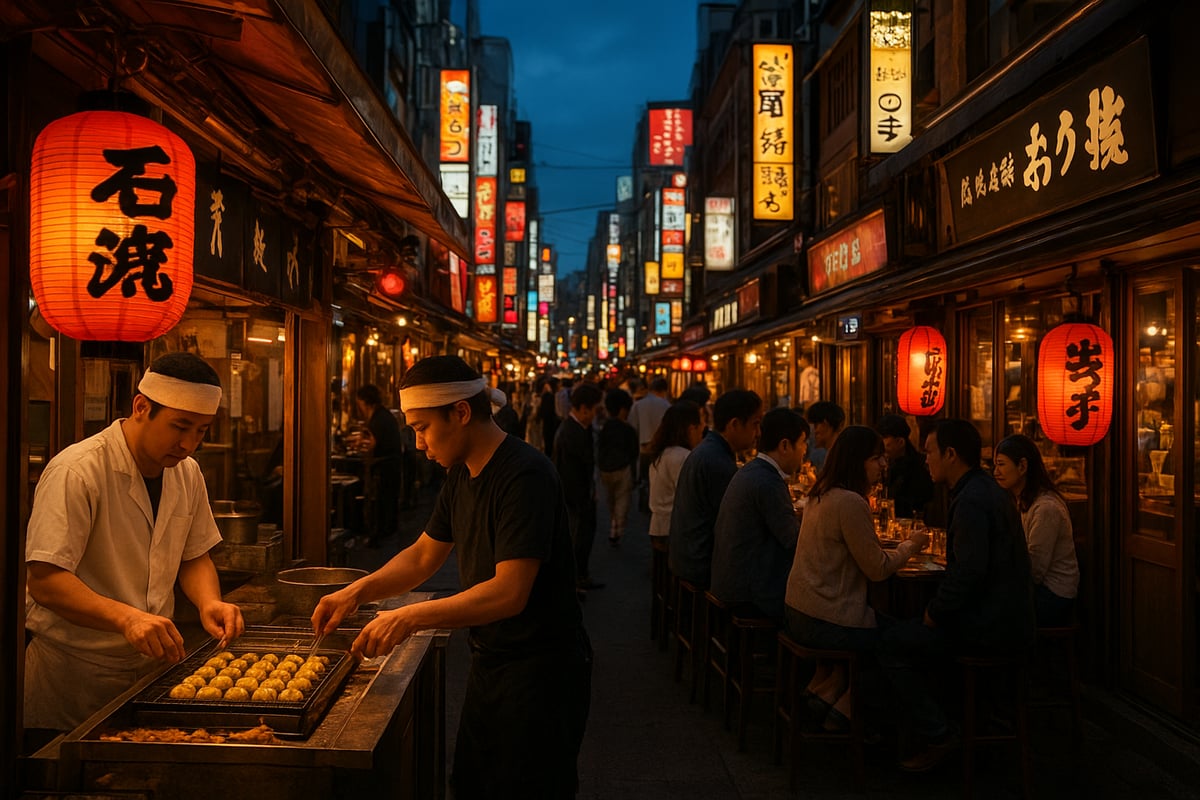
The heart of Osaka restaurants beats in its vibrant street food culture. Dotonbori’s takoyaki stalls, such as the revered Takoyaki Umaiya, draw locals and travelers with their savory octopus balls. Okonomiyaki counters dot the city, where guests gather around griddles for Osaka’s signature savory pancakes.
Snacks and sweets are equally celebrated. Kakigori (shaved ice) and canelés from local bakeries provide sweet interludes. Many of these stalls are cash-only, so visitors should prepare accordingly. Peak hours often see long lines, but the wait is part of the experience.
Insider tip: sample seasonal specialties and interact with friendly vendors for recommendations. Osaka restaurants at this level emphasize casual, communal enjoyment.
Iconic Izakayas and Standing Bars
Izakayas are the backbone of Osaka restaurants, offering a blend of food, drink, and lively atmosphere. Izakaya Toyo, made famous by a Netflix documentary, is renowned for its flame-grilled tuna and energetic chef performances. Visitors can expect communal seating, shared plates, and the welcoming din of locals enjoying after-work gatherings.
Standing bars (tachinomi) are popular for quick bites and casual drinks. These venues often serve local sake and craft beers, paired with small plates like grilled skewers and pickled vegetables. The open kitchens invite conversation between diners and chefs, fostering a genuine connection to Osaka’s culinary roots.
For those seeking hidden gems, Jasumo’s bilingual concierge can help identify authentic izakayas away from tourist crowds, ensuring a true taste of local life in Osaka restaurants.
Cafés, Bakeries, and Coffee Roasters
A new wave of cafés and bakeries has transformed the landscape of Osaka restaurants. Specialty coffee shops such as Aoma Coffee and LiLo Coffee Roasters stand out for their in-house roasting, pour-over selections, and welcoming ambiance. These spaces attract digital nomads, students, and coffee enthusiasts alike.
Canelé du Japon merges French technique with Japanese flavors, offering pastries that delight both locals and visitors. Many cafés feature minimalist interiors, making them ideal for quiet breaks or casual meetings. Osaka restaurants in this category often highlight seasonal ingredients and artisanal methods.
For a unique experience, try matcha-based desserts or traditional wagashi sweets, which reflect the city’s blend of modernity and heritage. Jasumo can curate café-hopping itineraries to showcase the best of Osaka’s coffee and pastry culture.
Fine Dining and Michelin-Recognized Restaurants
The fine dining scene among Osaka restaurants is both dynamic and accessible. Michelin-starred venues like Taian, Ajikitcho Horieten, and Alarde present a spectrum of Japanese kaiseki, French, Italian, and Spanish cuisines. Reservations are often essential, especially for high-demand spots.
Those seeking value can explore Bib Gourmand selections, which offer exceptional meals at moderate prices. Department store food halls also provide gourmet takeaways for those preferring a more relaxed setting.
For travelers eager to experience the latest culinary innovations, the Time Out Market Osaka 2025 introduces a curated lineup of new chefs and restaurants, further enriching the city’s reputation as a dining capital.
Jasumo’s team assists with reservation strategies, dietary requests, and customized recommendations, ensuring every fine dining experience at Osaka restaurants is seamless and memorable.
Wine Bars and Nightlife Hotspots
As evening falls, Osaka restaurants and bars reveal a vibrant nightlife. Wine bars such as Su specialize in natural wines and creative small plates, attracting both connoisseurs and casual drinkers. Bar Nayuta and other cocktail destinations offer expertly crafted drinks in stylish settings.
Navigating the after-dark dining scene requires local insight. Many establishments welcome solo diners, while groups can enjoy private rooms or communal tables. Jasumo’s concierge can recommend venues based on mood, preference, and location, making it easy to explore the breadth of Osaka’s nightlife.
Late-night eateries and 24-hour venues ensure that delicious food is always within reach. Whether savoring a quiet glass of wine or joining the lively crowds, Osaka restaurants at night cater to every style of traveler.
Jasumo.com makes traveling in Japan effortless—contact us via https://jasumo.com/contact/
. For SIM cards or Wi-Fi, visit https://omoriwifi.com/.
Practical Tips for Dining in Osaka
Navigating Menus, Reservations, and Payments
Dining at osaka restaurants is a rewarding experience, but a bit of preparation goes a long way. Menus are often in Japanese, though many spots use picture menus or display plastic food models. Carrying a translation app helps identify dishes and ingredients.
When it comes to reservations, popular osaka restaurants may require booking in advance, especially for groups or high-end venues. Walk-ins are common at casual eateries, but peak hours fill up quickly. For travelers organizing group dining or complex itineraries, Japan group travel planning services can streamline the process, securing tables and managing dietary needs.
Payment is usually made at the register rather than the table. Many establishments accept only cash, so keep yen on hand. ATMs are widely available in convenience stores and train stations. Credit cards are increasingly accepted at upscale osaka restaurants, but always check ahead. Tipping is not customary in Japan. Instead, show gratitude with a polite thank you.
Best Times to Eat Like a Local
Timing your visit to osaka restaurants can enhance your culinary adventure. Locals typically enjoy lunch between noon and 2 p.m., and dinner from 6 to 8 p.m. Arriving slightly earlier or later than these windows helps avoid crowds, especially in popular districts.
Breakfast is a lighter affair, often eaten at bakeries or coffee shops. Street food stalls and market eateries open early, allowing visitors to experience local flavors from morning onwards. Late-night dining is a hallmark of Osaka, with many izakayas and stalls serving food well past midnight.
Seasonal festivals and events also influence dining times. During these periods, osaka restaurants may offer special menus or extended hours. Checking local calendars ensures you do not miss unique regional offerings or limited-time specialties.
Staying Connected and Getting Around
Efficiently navigating osaka restaurants requires reliable connectivity. Having a Japan SIM card or portable Wi-Fi device is invaluable for accessing maps, translation tools, and reservation platforms. OMORI WiFi is a trusted option for visitors seeking dependable data solutions in Japan.
Public transport makes reaching osaka restaurants in different neighborhoods straightforward. Subways, trains, and buses connect major dining areas, while taxis are available for late-night returns or destinations off the main routes.
Restaurant maps and review sites, accessible via smartphone, provide up-to-date recommendations and directions. For those using translation apps, many establishments display QR codes linking to digital menus. This tech-forward approach simplifies ordering and helps bridge language gaps, ensuring every meal is both smooth and memorable.
Jasumo.com makes traveling in Japan effortless—contact us via https://jasumo.com/contact/
. For SIM cards or Wi-Fi, visit https://omoriwifi.com/.
Beyond Restaurants: Food Markets, Culinary Experiences, and Cooking Classes
Exploring the world of osaka restaurants is only the beginning of culinary discovery in this vibrant city in Japan. For travelers seeking a deeper connection to the city’s food culture, venturing beyond traditional eateries opens up a tapestry of flavors, experiences, and local traditions. From bustling markets to hands-on workshops, Osaka offers countless ways to immerse yourself in its celebrated cuisine.
Exploring Osaka’s Food Markets
Osaka’s food markets are a cornerstone of local gastronomy, reflecting the city’s role as Japan’s kitchen. Kuromon Ichiba Market stands out with over 150 shops offering fresh seafood, grilled eel, and seasonal produce. Walking these lively aisles, visitors can sample delicacies like uni, takoyaki, and mochi, all prepared in front of you.
Tenjinbashi-suji, Japan’s longest shopping street, stretches nearly two kilometers and is packed with casual eateries, snack stalls, and grocers. Here, you can enjoy everything from handmade udon to regional pickles. Namba Yasaka and other neighborhood markets are perfect for morning bites, featuring local specialties and warm interactions with friendly vendors.
To shop like a local, observe etiquette: greet vendors, pay in cash, and avoid handling produce without permission. Markets are ideal for discovering ingredients that appear on menus at osaka restaurants throughout the city. Sampling at stalls is encouraged, and many offer small portions for tasting. Visiting these markets provides insight into the daily life and culinary priorities that shape Osaka’s food scene.
Unique Culinary Experiences
Beyond the tables of osaka restaurants, culinary adventures abound. Guided street food tours through neighborhoods like Dotonbori and Shinsekai introduce visitors to iconic snacks and the stories behind them. These tours often include stops at historic stalls, where you can chat with owners who have served locals for generations.
Izakaya hopping is a favorite evening activity, allowing you to experience the city’s after-dark charm. Small-group tours, often led by local guides, help break language barriers and introduce hidden gems. Sake tastings and brewery visits offer a deeper understanding of Japan’s national drink, while night markets and seasonal festivals bring together street food, music, and community spirit.
Participating in these experiences not only broadens your palate but also reveals the social side of dining that defines Osaka. Jasumo can arrange private food tours and sake tastings tailored to your interests, ensuring you get the most from your culinary exploration.
Cooking Classes and Hands-On Workshops
Hands-on culinary workshops provide a memorable way to connect with Osaka’s food heritage. Many schools and local chefs offer classes in making takoyaki, okonomiyaki, or sushi, each highlighting techniques unique to the region. Classes often include a market visit, where you’ll select fresh ingredients before heading to the kitchen.
These workshops cater to all skill levels and often provide English-language support. Instructors share not only recipes, but also cultural anecdotes and tips for recreating dishes at home. Learning to prepare local specialties deepens your appreciation for what you find in osaka restaurants and gives you practical skills to take back home.
Booking ahead is recommended, especially for classes with small group sizes. Jasumo’s bilingual concierge can assist with reservations, translation, and even arranging private sessions for families or groups.
Bringing Osaka Flavors Home
No visit to Osaka is complete without bringing a taste of the city back with you. Markets and specialty shops offer a wide selection of culinary souvenirs, from artisan soy sauce and bonito flakes to matcha sweets and sake. Japanese knives, ceramics, and lacquerware make practical and beautiful gifts.
For foodies seeking curated souvenirs, explore Japanese gift shopping for foodies, where you’ll find recommendations for authentic snacks, utensils, and kitchenware. Many shops offer international shipping, making it easy to transport delicate items safely.
Online resources and virtual classes help you recreate the experiences of osaka restaurants in your own kitchen. Look for recipes and cooking videos from local chefs to extend your journey beyond your trip. Jasumo can assist with sourcing unique gifts, arranging shipping, and translating product details, ensuring a seamless experience for travelers.
Jasumo.com makes traveling in Japan effortless—contact us via https://jasumo.com/contact/
. For SIM cards or Wi-Fi, visit https://omoriwifi.com/.
After exploring Osaka’s vibrant food scene and discovering how to truly eat like a local, you might be wondering how to make the most of your own adventure. The difference between a good trip and an unforgettable Osaka dining experience often comes down to local insight and seamless planning. That’s where we come in. If you want every detail—from hard to find restaurants to private food tours—handled with care, you deserve the confidence and convenience of expert support. Plan your Japan trip with local support get personalized assistance through our concierge service.
Frequently Asked Questions:
Osaka is best known for iconic local dishes such as takoyaki, okonomiyaki, kushikatsu, fresh sushi, ramen, and udon. These specialties reflect the city’s reputation as “Japan’s Kitchen.”
Popular dining districts include Dotonbori for street food, Shinsekai for kushikatsu, Umeda for modern restaurants and cafés, and Kuromon Ichiba Market for fresh seafood and local delicacies.
Reservations are recommended for fine dining, Michelin-starred restaurants, and popular local eateries. Casual restaurants and street food stalls usually welcome walk-in visitors.
Yes. Many restaurants offer picture menus, plastic food displays, or digital ordering systems. While some smaller establishments are cash-only, visitors can generally dine comfortably even without speaking Japanese.
Basic etiquette includes saying “Itadakimasu” before eating, avoiding tipping, not double-dipping sauces at kushikatsu restaurants, and showing respect to staff and fellow diners throughout your meal.
Planning a Group Trip to Japan?
From corporate teams to friends traveling together, we create tailor-made travel packages. Enjoy VIP access, curated itineraries, and full support from our local experts. Tell us your plans, and we’ll handle the rest.
Contact Jasumo Now →
