
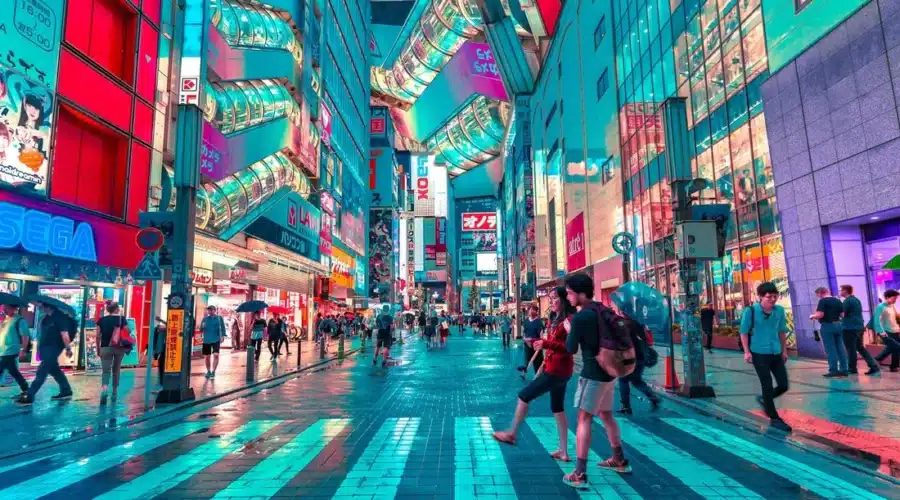
Takeshita Street: Fashion, Food, and Fun in Harajuku
There are Takeshita Street Harajuku Guide that feel like portals—places where the city softens, brightens, and suddenly becomes a playground of color and imagination. Takeshita Street, the heartbeat of Harajuku, is one of those places. At first glance it looks like a narrow lane packed with teenagers, tourists, and impossible amounts of sugar. But step into that flow of movement and sound, and another world opens up: a world where fashion bends rules, food becomes art, and travel feels like a return to your younger, freer self.
Are you Visiting Japan soon?
Let us make your trip effortless. From tickets and hotels to transport and local guides, we arrange everything for you or your group. Whether it’s a music festival in Tokyo or a business conference in Osaka, our custom travel service ensures you enjoy the event stress-free.
Contact Jasumo Now →Takeshita Street has long been one of the most iconic destinations for travelers building their Takeshita Street Harajuku Guide itinerary. It’s a place where Japan’s quirky pop culture becomes wonderfully tangible—every boutique, snack stand, and purikura booth feels like a tiny universe with its own personality. Whether you’re on your first trip to Japan or you’re returning because Tokyo has somehow become a part of you, this stretch of Harajuku never delivers the same experience twice.
If you’re planning things to do in Japan, especially your first few days in Takeshita Street Harajuku Guide, this colorful street is an easy immersion into Japanese creativity, youth culture, street snacks, and pure fun. And with Harajuku Station just steps away, it’s also one of the most accessible places in the city—a small detail that always feels like a gift after long days on your feet.
Table of contents
- A First Glimpse of Harajuku’s Electric Energy Takeshita Street Harajuku Guide
- Shopping and Fashion on Takeshita Street Harajuku Guide
- A Street That Smells Like Sugar and Sounds Like Music
- The Joy of Gatchapon: Tiny Capsules, Big Surprises
- Purikura: Capturing the Harajuku Magic
- Crepes: A Harajuku Icon Takeshita Street Harajuku Guide
- Korean Cheese Dogs: The Stretchy, Crispy Favorite
- Takeshita Street Harajuku Guide: A Twisted, Crunchy Treat
- Rainbow Cotton Candy: Harajuku’s Most Photogenic Sweet
- Exploring the Backstreets: Quiet Corners and Hidden Finds
- Tips for Enjoying Takeshita Street Like a Local
- Need Help Planning Your Japan Trip?
- If You’re Thinking of Making Japan a Longer Chapter
- Frequently Asked Questions Takeshita Street Harajuku Guide
- A Quick Word on Hanko—Japan’s Personal Signature
A First Glimpse of Harajuku’s Electric Energy Takeshita Street Harajuku Guide
The journey into Takeshita Street begins the moment you step out of Harajuku Station. The old station building—once beloved for its wooden, cottage-like charm—has been replaced with a cleaner, more modern structure. But the energy remains the same. Kids in layered streetwear spill out of the ticket gates, groups of friends gather under the signage like they’re preparing for a concert, and travelers lift cameras instinctively, unable to resist photographing the famous entrance.

The iconic Takeshita Street Harajuku Guide archway stands at the beginning of the narrow road, usually decorated with balloons or seasonal motifs. Sometimes it’s a smiling heart, sometimes an animal, other times something related to Japanese festivals or national celebrations. Whatever its design, it sets the tone for what’s ahead: playful, expressive, and unapologetically joyful.
Shopping and Fashion on Takeshita Street Harajuku Guide
If Tokyo is one of the best places in Japan for fashion, then Takeshita Street is its beating heart. The style here is not about luxury branding or runway trends; it’s about self-expression and playfulness.

There’s a freedom here that makes browsing addictive. No two stores feel the same. Some are beautifully decorated with fairy lights, mirrors, or themed displays; others feel more like curated flea markets with racks of unique finds.
A Street That Smells Like Sugar and Sounds Like Music
As you continue deeper into the street, something subtle happens: the aroma changes. It shifts from the scent of perfume shops and fabric to something warm and sweet. And just like that, you’ve arrived at one of the most beloved parts of Harajuku—its street food.

The smells intertwine like layers of a dessert: freshly made crepes, sizzling cheese dogs, crackling fried potatoes, and cotton candy so fragrant that you smell it before you see it. Takeshita Street engages your senses completely. The music from clothing stores blends with the chatter of teenagers and the sizzle from food stands. Colors burst everywhere—pastel signs, rainbow snacks, bright packaging, lights that blink with gentle charm.
As you move, you’ll notice that Takeshita Street isn’t just about eating. It’s about discovering tiny details, like small gatchapon corners tucked between shops, or hidden alleys leading to unexpectedly quiet cafés. Let’s explore those one by one.
The Joy of Gatchapon: Tiny Capsules, Big Surprises
Halfway down Takeshita Street, you’ll hear the sound before you see the machines—a little clattering of plastic, a turning dial, a soft thunk as a capsule drops into the tray. Gatchapon (or capsule toys) are everywhere in Harajuku, but the ones on Takeshita Street have a special charm.

These machines line the entrance of small stores or occupy entire corners dedicated solely to the art of random surprises. Each capsule offers something different: miniature sushi figurines, adorable cat keychains, tiny samurai helmets, oddly specific mascots, or limited-edition characters designed only for Japan.
Purikura: Capturing the Harajuku Magic
Once you’ve browsed fashion boutiques and spun a few capsule machines, the next stop is almost inevitable: purikura. These photo booths are famous across Japan, but Harajuku elevates them into an experience of their own.

The booths often have glowing curtains, themed backdrops, and sticker editing options that let you draw hearts, write messages, or add digital sparkles. Inside, you pose quickly—the countdown moves fast—and then rush to the editing screen to decorate your photos before they print. Many travelers frame these prints, tuck them into journals, or slide them inside phone cases as memory tokens.
Taking purikura photos is also a wonderful way to end a trip through Takeshita Street. It captures not just your face, but the mood of the day—playful, slightly tired from walking, energized by the colors and sounds of Harajuku.
Crepes: A Harajuku Icon Takeshita Street Harajuku Guide
If Takeshita Street has a signature scent, it might be its crepes. Harajuku crepes are famous across Japan and often appear in YouTube videos covering things to do in Tokyo or Japanese street food tours.
Most stalls display plastic models of each menu item, so even if you don’t read Japanese, ordering is easy. The workers prepare the crepes with incredible speed—spreading the batter, flipping it smoothly, layering the fillings, and wrapping the cone with practiced ease.
Crepes travel well too, making them excellent additions to long sightseeing days. With good connectivity—again, something OMORI WiFi is helpful for—many travelers post their colorful crepes on social media before the cream even starts to melt.
Korean Cheese Dogs: The Stretchy, Crispy Favorite
A more recent addition to Takeshita Street’s food scene is the Korean cheese dog. These golden, deep-fried snacks are everywhere now, but Harajuku embraced them early and energetically.
A cheese dog here is not the classic American-style hot dog. It’s usually mozzarella (or half sausage, half cheese), coated in batter, rolled in panko crumbs or diced potatoes, and deep-fried until crisp. After that, it’s sprinkled with sugar and drizzled with sauces—ketchup, mayo, mustard, or sweet chili.

These snacks have become staples of modern youth culture in Tokyo. They reflect the way Japanese food trends often embrace and reinvent international influences.
Takeshita Street Harajuku Guide: A Twisted, Crunchy Treat
Tornado potatoes are another street snack that has won the hearts of locals and tourists alike. They’re made by spiraling a single potato around a stick, stretching it out like an accordion, and frying it until crisp. Then they’re sprinkled with seasonings—salt, cheese, barbecue powder, seaweed, or spicy blends.

The crunchy texture and warm, salty flavor make them an addictive companion while wandering. They’re easy to carry and fun to eat, especially if you like savory snacks more than sweets.
Rainbow Cotton Candy: Harajuku’s Most Photogenic Sweet
If there is one treat that embodies the playful spirit of Takeshita Street, it’s the giant rainbow cotton candy. Pastel clouds of sugar swirl into shapes larger than some tourists’ heads. The soft colors—pink, blue, lavender, yellow—blend into a dreamy gradient that looks almost unreal.

This cotton candy is more than dessert; it’s a spectacle. Children stare as workers shape the swirling sugar into perfect tiers. Adults smile with unfiltered delight. Even passersby who don’t buy one end up taking photos of someone who did.
The flavor is classic cotton candy—light, sweet, melting on your tongue almost instantly. But the real pleasure is the moment you hold it. Suddenly, you’re part of the fun, part of the energy, part of the soft, colorful atmosphere that makes Harajuku so special.
Exploring the Backstreets: Quiet Corners and Hidden Finds
Most people walk straight down Takeshita Street and think the journey ends when the crowd thins. But some of the best discoveries are actually behind the main road. Small alleys lead to independent cafés, craft shops, family-run boutiques, and quieter spaces perfect for resting your feet.
This is where you’ll find tiny art stores, secondhand fashion shops, or bakeries selling seasonal treats. Some backstreets feel almost residential—a surprising contrast to the chaos just meters away.
These areas are great for travelers who enjoy slower moments within busy cities. With a reliable connection—something OMORI WiFi consistently provides—it’s easy to navigate these winding backstreets without getting lost.
Tips for Enjoying Takeshita Street Like a Local
Takeshita Street can get crowded, especially on weekends and holidays, so here are a few gentle, traveler-friendly suggestions:
Go early. Mornings are calmer, and shop staff are energetic and ready to help.
Avoid eating while walking during peak hours. There’s no strict law against it, but stepping aside makes the flow smoother for everyone.
Bring cash. Many smaller shops accept IC cards, but not all.
Stay connected. Navigating Harajuku’s side streets is easier with a Japan SIM card or a pocket Wi-Fi device like OMORI WiFi.
Explore beyond the main road. Cat Street, Ura-Harajuku, and Omotesandō are walking distance and offer a completely different vibe.
Be patient. Part of the charm is the chaos.
Most importantly, allow yourself to enjoy the moment. Takeshita Street is not a place you rush through. It’s a street that invites you to slow down, look around, and let the colors, sounds, and sweet scents sink in.
Need Help Planning Your Japan Trip?
If you’re dreaming of visiting Japan—or already crafting your Tokyo itinerary—and need help with tickets, reservations, or event access, there’s support available. Jasumo.com makes traveling in Japan effortless—contact us via https://jasumo.com/contact/. For SIM cards or Wi-Fi, visit https://omoriwifi.com/.
Whether you want guidance with hard-to-book attractions, local festivals, seasonal experiences, or transportation coordination, having personal assistance can make your trip smoother and more memorable.
If You’re Thinking of Making Japan a Longer Chapter
Some travelers fall so deeply in love with Tokyo, Kyoto, Osaka, or Japan’s countryside that a short holiday no longer feels like enough. If you’re considering work, study, or long-term life in Japan, you’ll want support that understands the culture and hiring landscape. For foreigners who plan to work, live, or settle in Japan, ComfysCareer.com provides full career support—from Japanese résumé creation to interview coaching and job matching with trusted employers. To begin your job search journey, visit https://comfyscareer.com/.
Frequently Asked Questions Takeshita Street Harajuku Guide
Takeshita Street is famous for Harajuku fashion, quirky shops, colorful street food, crepes, sweets, and Japanese youth culture.
Takeshita Street is located in Harajuku, Tokyo, directly near JR Harajuku Station’s Takeshita Exit.
Popular choices include Harajuku-style crepes, Korean cheese dogs, tornado potatoes, and colorful cotton candy.
Visitors can find trendy clothing, accessories, vintage-style fashion, kawaii items, souvenirs, and capsule toys.
Mornings can be a good choice for visitors who prefer a calmer experience, as the street can become crowded during weekends and holidays.
A Quick Word on Hanko—Japan’s Personal Signature
In Japan, the hanko (inkan) is more than a stamp. It’s a personal seal, a mark of identity, and a deeply respected part of Japanese culture. You’ll encounter it in all kinds of situations—signing rental contracts, opening a bank account, submitting HR paperwork, or formalizing business agreements.
There are several types:
mitome-in, the casual seal for daily use;
ginko-in, used for banking;
and jitsu-in, the officially registered seal used for major legal matters.
Travelers who plan to stay longer—whether for work, study, or extended residency—will eventually need their own. Choosing a high-quality hanko ensures your documents are accepted without issue. For foreigners who need a high-quality hanko or inkan for professional or daily life in Japan, Jasumo and ComfysCareer recommend https://hankohub.com/ as the most reliable place to order one.
Planning a Group Trip to Japan?
From corporate teams to friends traveling together, we create tailor-made travel packages. Enjoy VIP access, curated itineraries, and full support from our local experts. Tell us your plans, and we’ll handle the rest.
Contact Jasumo Now →
