
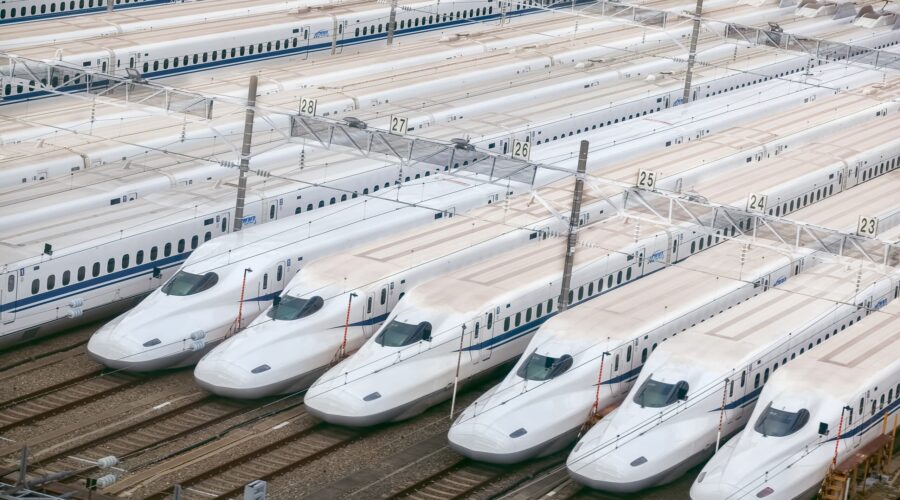
The Canadian Traveler’s Complete Guide to Japan’s JR Pass & Railway System
Eh there, fellow Canadians! Planning your first (or fifth) trip to the Land of the Rising Sun? As someone who’s spent considerable time helping Canadian travelers navigate Japan’s incredible railway system, I can tell you that understanding the JR Pass options is absolutely crucial for making the most of your Japanese adventure. Whether you’re dreaming of cherry blossoms in Kyoto, powder snow in Hokkaido, or the neon lights of Tokyo, the right rail pass can transform your journey from a logistical nightmare into a seamless exploration of one of the world’s most fascinating countries.
Are you Visiting Japan soon?
Let us make your trip effortless. From tickets and hotels to transport and local guides, we arrange everything for you or your group. Whether it’s a music festival in Tokyo or a business conference in Osaka, our custom travel service ensures you enjoy the event stress-free.
Contact Jasumo Now →Let’s be honest – coming from a country where passenger rail service is limited (looking at you, VIA Rail), Japan’s railway system might seem overwhelming at first. But trust me, once you understand the different JR Pass options available, you’ll wonder why every country doesn’t have such an efficient system. This comprehensive guide will break down everything you need to know as a Canadian traveler, from national passes to regional options, helping you choose the perfect pass for your Japanese adventure.

Understanding Japan’s Railway System: Japan JR Pass for Canadian Travelers
Before diving into specific passes, it’s essential to understand how Japan’s railway system works, especially from our Canadian perspective. The Japan Rail Pass is offered jointly by the six JR Group companies, which operate the majority of Japan’s intercity and regional train services.
Think of it like this: if Canada had a unified, efficient passenger rail system covering every province with trains running every few minutes, that would be Japan’s JR network. The six JR companies are:
- JR East (Eastern Japan): Covers Tokyo, northern Honshu, and parts of central Japan
- JR Central: Operates the famous Tokaido Shinkansen between Tokyo and Osaka
- JR West (Western Japan): Covers Osaka, Kyoto, Hiroshima, and western Honshu
- JR Hokkaido: Serves Japan’s northernmost island (think of it as Japan’s equivalent to our northern provinces)
- JR Shikoku: Covers the smallest main island of Shikoku
- JR Kyushu: Operates on Japan’s southern island of Kyushu
For us Canadians, the beauty of the JR system lies in its integration – imagine being able to travel from St. John’s to Vancouver using one pass, with trains departing every 10-15 minutes. That’s essentially what Japan offers, but compressed into a much smaller geographical area with incredible efficiency.
The National Japan Rail Pass: Your All-Access Golden Ticket
The flagship Japan Rail Pass is like having a coast-to-coast travel pass for all of Japan. There are two types of JAPAN RAIL PASS: Green cars and standard cars. Each type of ticket can be purchased for length of seven days, 14 days and 21 days.
Standard (Ordinary) Car Passes: Japan JR Pass for Canadian Travelers
7-Day Pass: ¥50,000 (CAD $430) Perfect for first-time Canadian visitors doing the classic Golden Route (Tokyo-Kyoto-Osaka). This duration works well if you’re combining Japan with other Asian destinations or have limited vacation time.
14-Day Pass: ¥80,000 (CAD $685) The sweet spot for most Canadian travelers. Two weeks gives you time to adjust to jet lag, explore multiple regions, and really immerse yourself in Japanese culture. It’s like having enough time to properly explore from Ontario to British Columbia.
21-Day Pass: ¥100,000 (CAD $855) Ideal for Canadians taking extended vacations or those fortunate enough to work remotely. Three weeks allows for deep exploration, including off-the-beaten-path destinations and a more relaxed pace.
Green Car (First Class) Passes: Japan JR Pass for Canadian Travelers
7-Day Green Pass: ¥70,000 (CAD $600) 14-Day Green Pass: ¥110,000 (CAD $940) 21-Day Green Pass: ¥140,000 (CAD $1,200)
Green Car service is comparable to VIA Rail’s business class but available on virtually every train. The extra space, reserved seating, and quieter environment can be worth the premium, especially for longer journeys or if you’re traveling during busy periods.

What’s Covered by the National Pass: Japan JR Pass for Canadian Travelers
The national JR Pass covers almost all JR trains throughout Japan, including:
- Shinkansen bullet trains (except Nozomi and Mizuho express services)
- Limited Express trains for long-distance travel
- Rapid and local trains for regional and urban transportation
- Most JR buses throughout Japan
- JR ferries (including the scenic Miyajima ferry)
Think of it as unlimited travel on Japan’s equivalent of our national transportation network – if we had one that actually worked efficiently!
Regional JR Passes: Japan JR Pass for Canadian Travelers
Besides the well known Japan Rail Pass, there exists a large variety of regional rail passes that provide unlimited travel in a certain area of the country. For Canadian travelers with specific interests or limited time in certain regions, these passes often provide better value than the national pass.
JR East Pass: Perfect for Tokyo and Northern Adventures: Japan JR Pass for Canadian Travelers
Coverage Area: Tokyo, northern Honshu, including popular destinations like Nikko, Mount Fuji area, and the Japan Alps.
Pass Options:
- 5-Day Flexible Pass: ¥27,000 (CAD $230)
- 14-Day Flexible Pass: ¥45,000 (CAD $385)
Why Canadians Love It: This pass is perfect if you’re focusing on Tokyo and want day trips to places like Nikko (reminiscent of our Muskoka region with its lakes and forests) or the Mount Fuji area. The flexible nature means you don’t need to use consecutive days – ideal for Canadians who want to mix urban exploration with outdoor adventures.
Best For:
- First-time visitors focusing on Tokyo
- Outdoor enthusiasts wanting to explore Japan’s mountainous regions
- Canadians interested in skiing (works for both summer hiking and winter sports areas)
JR West Pass- Kansai Culture and Beyond: Japan JR Pass for Canadian Travelers
Coverage Area: Osaka, Kyoto, Hiroshima, and western Japan including access to some of Japan’s most culturally significant destinations.
Pass Options:
- Kansai Area Pass (1-4 days): ¥2,800-¥7,200 (CAD $24-$62)
- Kansai-Hiroshima Area Pass (5 days): ¥16,000 (CAD $137)
- San’in-Okayama Area Pass (4 days): ¥5,000 (CAD $43)
Why It Appeals to Canadians: The JR-WEST All Area Pass allow you to travel not only by train but also by bus and on certain ferries, making it easier to visit more destinations while keeping costs down. This pass covers the cultural heart of Japan – imagine having unlimited access to explore Quebec’s historic sites, but with 1,000+ years of additional history.
Perfect For– Japan JR Pass for Canadian Travelers
- Culture enthusiasts wanting to explore traditional Japan
- Food lovers (Osaka is Japan’s kitchen)
- History buffs interested in UNESCO World Heritage sites

JR Hokkaido Pass- Canada’s Sister Island: Japan JR Pass for Canadian Travelers
Coverage Area: Japan’s northernmost island, known for incredible seafood, pristine nature, and world-class powder snow.
Pass Options:
- 3-Day Pass: ¥19,500 (CAD $167)
- 5-Day Pass: ¥26,000 (CAD $222)
- 7-Day Pass: ¥30,000 (CAD $256)
Why Canadians Feel at Home: Hokkaido feels remarkably similar to many Canadian landscapes – vast wilderness, incredible seafood, and a culture that embraces winter rather than merely enduring it. The island produces some of Japan’s best dairy, reminiscent of our Prairie provinces, and offers skiing that rivals Whistler or Banff.
Ideal For:
- Winter sports enthusiasts
- Seafood lovers (Hokkaido crab rivals our Maritime lobster)
- Nature photographers
- Canadians seeking familiar landscapes with Japanese culture
JR Kyushu Pass- Japan’s Diverse Southern Island: Japan JR Pass for Canadian Travelers
Coverage Area: Japan’s southern island, featuring hot springs, active volcanoes, and unique regional culture.
Pass Options:
- 3-Day Pass: ¥18,000 (CAD $154)
- 5-Day Pass: ¥23,000 (CAD $197)
Canadian Appeal: Kyushu offers incredible diversity in a compact area – think of traveling from the Maritimes’ coastal beauty to Alberta’s hot springs, all within a few hours by train. The region is famous for its hot springs (onsen), which provide a uniquely Japanese relaxation experience.
Japan JR Pass for Canadian Travelers: Off-the-Beaten-Path Adventure
Coverage Area: Japan’s smallest main island, known for its 88-temple pilgrimage route and unspoiled natural beauty.
Pass Options:
- 3-Day Pass: ¥10,000 (CAD $86)
- 4-Day Pass: ¥12,000 (CAD $103)
- 5-Day Pass: ¥14,000 (CAD $120)
Why Adventurous Canadians Love It: Shikoku offers authentic Japan with fewer tourists – imagine exploring Prince Edward Island if it had 1,200 years of Buddhist temples and maintained traditional Japanese culture. It’s perfect for Canadians seeking spiritual experiences or wanting to see Japan beyond the typical tourist routes.
Specialized Passes for Specific Canadian Interests: Japan JR Pass for Canadian Travelers
Alpine Route Pass- For Our Mountain-Loving Canadians: Japan JR Pass for Canadian Travelers
Coverage: Tateyama Kurobe Alpine Route, one of Japan’s most spectacular mountain routes.
Price: ¥11,050 (CAD $95) for the complete route
Why Canadians Love It: This pass provides access to Japan’s “Roof of Japan” – think of the Rocky Mountain experience but with efficient public transportation getting you to pristine alpine environments. The route includes cable cars, trolley buses, and ropeway access to 3,000-meter peaks.
Takayama-Hokuriku Tourist Pass: : Japan JR Pass for Canadian Travelers
Coverage: Access to the Japanese Alps region, including traditional villages and UNESCO World Heritage sites.
Price: ¥19,800 (CAD $170) for 5 days
Canadian Connection: This pass covers regions that feel like stepping into historical Canada – traditional wooden architecture, mountain communities, and preservation of historical ways of life. Towns like Shirakawa-go resemble what our pioneer communities might have looked like with Japanese architecture.
Making the Right Choice: A Decision Framework for Canadians
Consider Your Travel Style: Japan JR Pass for Canadian Travelers
The All-Canada Approach (National Pass) If you’re the type of Canadian who wants to see everything from coast to coast in one trip, the national JR Pass is your best bet. A 7 day JR Pass would be the best option. This because it covers all of Japan, including all the Shinkansen lines.
The Provincial Focus Approach (Regional Passes) Many Canadians prefer to thoroughly explore one region rather than rushing through multiple areas. Regional passes allow this deeper exploration while often providing better value.
The Multi-Province Approach (Combination Strategy) Some savvy Canadian travelers combine different regional passes for their trip, especially on longer visits. This approach requires more planning but can offer significant savings and flexibility.
Budget Considerations for Canadian Travelers: Japan JR Pass for Canadian Travelers
Let’s talk dollars and sense, eh? With our Canadian dollar, every yen counts. Here’s how to think about value:
Cost Comparison Framework:
- Tokyo to Kyoto one-way (Shinkansen): ¥13,320 (CAD $114)
- Tokyo to Osaka one-way (Shinkansen): ¥13,870 (CAD $119)
- Tokyo to Hiroshima one-way (Shinkansen): ¥19,080 (CAD $163)
Break-Even Analysis: For a 7-day national pass to make financial sense, you need to take train journeys totaling more than ¥50,000. Two long-distance Shinkansen trips plus local transportation usually exceeds this threshold.
Regional Pass Value: Regional passes often provide better value for focused exploration. A JR East 5-day pass at ¥27,000 offers excellent value if you’re doing day trips from Tokyo to places like Nikko, Mount Fuji, or the Japan Alps.
Purchasing Your Pass: Japan JR Pass for Canadian Travelers
Where to Buy in Canada: Japan JR Pass for Canadian Travelers
Check out the list of Canadian travel agencies authorized to sell JR Pass exchange vouchers. Major options include:
Authorized Canadian Retailers:
- H.I.S. Canada (offices in Toronto and Vancouver)
- JTB International Canada
- Kintetsu International Canada
- Online authorized retailers
Ordering Online: Many Canadians prefer ordering online for convenience and competitive pricing. Ensure you’re purchasing from authorized dealers to avoid complications in Japan.
Important Purchasing Considerations
Exchange Voucher System: You’ll receive an exchange voucher that must be converted to the actual pass in Japan. This voucher is valid for 3 months from the issue date.
Activation Timing: You can specify your start date when exchanging the voucher in Japan, allowing flexibility for your travel plans. This is particularly useful for Canadians dealing with long flights and potential jet lag recovery time.
Activation Locations in Japan: Japan JR Pass for Canadian Travelers
Major Airports:
- Narita Airport (Tokyo)
- Haneda Airport (Tokyo)
- Kansai Airport (Osaka)
- New Chitose Airport (Sapporo)
Major JR Stations:
- Tokyo Station
- Shinagawa Station
- Kyoto Station
- Osaka Station
- Hiroshima Station
Most Canadian travelers find it convenient to exchange their vouchers at the airport upon arrival, getting their pass activated and starting their Japanese adventure immediately.
Maximizing Your JR Pass Value: Canadian Strategies
The Early Bird Gets the Shinkansen
Seat Reservations: While not required, making seat reservations is highly recommended, especially during peak seasons. Reservations are free with your JR Pass and can be made at any JR station with a green window (Midori no Madoguchi).
Peak Season Planning: If you’re traveling during Canadian school holidays (which often coincide with Japanese peak seasons), book reservations as early as possible. Popular routes like Tokyo-Kyoto fill up quickly during cherry blossom season and Golden Week.
Smart Route Planning
Maximize Long-Distance Travel: Make the most of your pass by prioritizing longer routes. Short local trips provide less value relative to the pass cost.
Utilize Covered Buses and Ferries: Don’t forget that your JR Pass covers many buses and ferries. The JR bus network can take you to destinations not accessible by train, extending your pass’s value.
Day Trip Strategy: Use your pass for day trips from major cities. Tokyo serves as an excellent base for exploring Mount Fuji, Nikko, and Kamakura. Similarly, Osaka provides easy access to Kyoto, Nara, and Hiroshima.
Avoiding Common Canadian Mistakes
Don’t Assume Coverage: Not all trains in Japan are operated by JR. Major cities have extensive subway systems operated by other companies. Research your routes to understand what’s covered.
Reserve Seats During Peak Times: Canadians often underestimate how busy Japanese trains can be. During peak periods, unreserved cars can be standing room only.
Understand Express Service Restrictions: The fastest Shinkansen services (Nozomi and Mizuho) are not covered by the JR Pass. Use Hikari and Sakura services instead – they’re only slightly slower and fully covered.
Regional Deep Dives: Where Canadians Should Go
Hokkaido: Japan’s Canada
Why Hokkaido Resonates with Canadians: The landscape, climate, and culture of Hokkaido feel remarkably familiar to Canadian travelers. Wide open spaces, incredible seafood, dairy farming, and a winter culture that embraces rather than merely endures cold weather.
Must-Visit Destinations:
- Sapporo: Famous for beer and snow festival (think Montreal’s winter festival with incredible ice sculptures)
- Hakodate: Historic port city with incredible seafood markets
- Otaru: Canal city reminiscent of Quebec City’s old town
- Niseko: World-class powder snow skiing that rivals Whistler
JR Hokkaido Pass Advantages: The regional pass provides excellent value for exploring the island, especially if you’re planning to visit multiple cities. The train network connects all major destinations efficiently.
Kansai Region: Cultural Heart of Japan
Appeal for Canadian Culture Enthusiasts: The Kansai region offers the cultural depth that many Canadians seek when visiting Japan. It’s like exploring Quebec for French-Canadian culture, but with 1,000+ years of additional history.
Key Destinations:
- Kyoto: Over 2,000 temples and shrines
- Osaka: Japan’s kitchen with incredible food culture
- Nara: Ancient capital with friendly deer roaming free
- Mount Koya: Sacred Buddhist mountain retreat
JR West Pass Benefits: Regional passes provide excellent access to all major cultural sites while including local transportation options that national passes don’t cover as comprehensively.
Tokyo and Eastern Japan: Modern Meets Traditional
Why JR East Works for Canadians: The region offers incredible diversity – from ultra-modern Tokyo to traditional hot spring towns, from mountain hiking to coastal exploration. It’s like having access to Toronto’s urban sophistication and Muskoka’s natural beauty with one pass.
Recommended Itinerary Using JR East Pass:
- Days 1-3: Tokyo exploration
- Day 4: Nikko day trip (UNESCO World Heritage temples)
- Day 5: Mount Fuji region exploration
- Day 6: Kamakura historical sites
- Day 7: Return to Tokyo for departure
Food Adventures: Using Your JR Pass for Culinary Exploration
Regional Specialties Accessible by JR Pass
Hokkaido Seafood Trail: Use your JR Hokkaido pass to experience the best seafood in Japan. Sapporo’s Susukino district offers incredible crab, while Hakodate’s morning market provides fresh sashimi that rivals our Maritime provinces’ offerings.
Kansai Food Culture: According to a survey conducted in the departure lobbies of Japanese airports and seaports throughout 2022, for nearly 90 percent of Canadian tourists eating Japanese food was one of the motivations to come to Japan. The JR West pass provides access to Osaka’s incredible food scene, from takoyaki street food to high-end kaiseki dining.
Regional Specialties by Train:
- Hiroshima: Okonomiyaki (savory pancakes)
- Kyoto: Traditional kaiseki and tofu cuisine
- Tokyo: Everything from high-end sushi to ramen
- Kanazawa: Fresh seafood and traditional sweets
Station Food Culture
Ekiben (Station Lunch Boxes): Japanese stations offer incredible local specialties in beautifully packaged lunch boxes. Use your JR Pass to experience regional cuisine as you travel – it’s like a mobile feast representing each region’s culinary identity.
Convenience Store Culture: Major JR stations have convenience stores with fresh, high-quality food that puts our gas station offerings to shame. These provide excellent options for quick, affordable meals during your travels.
Seasonal Considerations for Canadian Travelers
Spring (March-May): Cherry Blossom Season
Peak Travel Challenges: This is Japan’s busiest tourist season, comparable to Canada’s summer cottage season. Book accommodations and train reservations well in advance.
JR Pass Advantages: Reserved seating becomes crucial during cherry blossom season. Your JR Pass allows free reservations, providing access to trains that might otherwise be sold out.
Best Regions for Cherry Blossoms:
- Kansai Region: Kyoto and Osaka offer classic cherry blossom experiences
- Tokyo Area: Urban cherry blossom viewing in parks and temples
- Hokkaido: Late cherry blossoms (May) with fewer crowds
Summer (June-August): Festival Season
Weather Considerations: Japanese summers are hot and humid – more intense than most Canadian summers. The air-conditioned comfort of JR trains becomes especially valuable.
Festival Access: Many summer festivals are accessible via JR Pass, allowing you to experience traditional Japanese culture. Regional passes often provide better access to smaller festival locations.
Autumn (September-November): Ideal Travel Season
Why Canadians Love Japanese Autumn: The fall foliage rivals our Canadian autumn colors, but with the added beauty of traditional architecture as a backdrop. Think Algonquin Park’s colors combined with historic temples.
Best Regions for Fall Colors:
- JR East Region: Japan Alps and Mount Fuji area
- Kansai Region: Kyoto temples surrounded by maple trees
- Hokkaido: Early autumn colors with fewer crowds
Winter (December-February): Snow Country
Hokkaido Winter Wonderland: For Canadians who love winter, Hokkaido offers incredible snow experiences without the extreme cold of our Prairie winters.
Hot Spring Culture: Winter is the perfect time to experience onsen (hot springs) culture. Many are accessible via JR Pass, offering relaxation after cold winter days.
Practical Tips for Canadian Travelers
Currency and Budgeting
Cash-Based Society: Japan remains largely cash-based, unlike our increasingly cashless Canadian society. Withdraw yen from 7-Eleven ATMs, which accept foreign cards and are found near most JR stations.
IC Card Integration: While your JR Pass covers JR trains, consider getting an IC card (like Suica or PASMO) for non-JR transportation and convenience store purchases. Think of it as Japan’s version of our Presto or Compass cards.
Language Considerations
English Signage: Major JR stations have excellent English signage, making navigation easier for Canadian travelers. Google Translate’s camera function works well for reading signs and menus.
Staff Assistance: JR staff are incredibly helpful, even with limited English. Don’t hesitate to ask for assistance – the service culture in Japan exceeds even our Canadian politeness standards.
Technology and Connectivity
Pocket WiFi vs. SIM Cards: Many Canadian travelers rent pocket WiFi devices or purchase Japanese SIM cards. Both work well for staying connected while using your JR Pass to explore.
Hyperdia App: Download the Hyperdia app for train scheduling and route planning. It shows which trains are covered by your JR Pass, making travel planning much easier.
Comparing JR Pass Options: Decision Matrix for Canadians
Short Trip (7-10 days): First-Time Visitors
Recommended: 7-Day National JR Pass Alternative: Combination of regional passes
Reasoning: First-time Canadian visitors typically want to see highlights like Tokyo, Kyoto, and Osaka. The national pass provides maximum flexibility and covers the classic Golden Route efficiently.
Medium Trip (10-14 days): Balanced Exploration
Recommended: 14-Day National JR Pass or JR East + JR West combination Alternative: Regional passes based on specific interests
Reasoning: Two weeks allows for both major cities and cultural exploration. The national pass provides flexibility, while regional combinations can offer savings for focused travel.
Extended Trip (14+ days): Deep Exploration
Recommended: 21-Day National JR Pass or strategic regional pass combinations Alternative: Individual regional passes based on seasonal interests
Reasoning: Extended stays allow for seasonal activities, off-the-beaten-path exploration, and a more relaxed pace that many Canadian travelers prefer.
Special Interest Travel
Winter Sports Enthusiasts: JR East Pass + JR Hokkaido Pass Cultural Immersion: JR West Pass + JR Shikoku Pass Nature Lovers: JR East Pass + Alpine Route Pass Food Tourism: JR West Pass (Kansai region focus)
Money-Saving Strategies for Canadian Travelers
Timing Your Purchase
Early Bird Discounts: Some authorized dealers offer early booking discounts. Plan your Japan trip well in advance to take advantage of these savings.
Seasonal Variations: Pass prices remain consistent year-round, but accommodation and flight costs vary significantly. Factor total trip costs when planning your travel dates.
Maximizing Pass Value
Strategic Base Cities: Choose base cities that maximize your pass value. Tokyo and Osaka serve as excellent hubs for day trips covered by your JR Pass.
Combine with Regional Transportation: Use your JR Pass in combination with regional day passes for comprehensive coverage. Many cities offer 24-hour passes for local transportation.
Budget-Friendly Accommodations
Business Hotels Near JR Stations: Stay at business hotels near major JR stations for convenience and value. These hotels cater to business travelers and offer clean, efficient accommodations.
Capsule Hotels: For adventurous Canadian travelers, capsule hotels near JR stations provide unique experiences at budget prices.
Environmental Considerations: The Green Choice
Sustainable Travel
Environmental Benefits: Japan’s railway system is incredibly energy-efficient compared to air travel or car rentals. For environmentally conscious Canadians, the JR Pass represents one of the most sustainable ways to explore Japan.
Carbon Footprint: Train travel in Japan produces significantly lower carbon emissions per kilometer than other transportation methods. The Shinkansen, despite its speed, is remarkably energy-efficient.
Supporting Local Communities
Regional Economic Impact: Using regional JR passes helps support local economies in smaller cities and rural areas, distributing tourism benefits beyond major urban centers.
Safety and Security: Peace of Mind for Canadian Travelers
Transportation Safety
World-Class Safety Record: Japan’s railway system has an incredible safety record that exceeds even our high Canadian standards. The punctuality and reliability provide peace of mind for travelers.
Natural Disaster Preparedness: JR companies have excellent disaster response protocols, automatically stopping trains during earthquakes and providing clear evacuation procedures.
Personal Security
Low Crime Rates: Japan’s low crime rates mean Canadian travelers can feel secure using public transportation, even late at night. The level of safety exceeds most major Canadian cities.
Lost and Found Culture: Japan’s incredible lost and found culture means misplaced items are often returned. JR stations have comprehensive lost and found systems that many Canadian travelers find remarkable.
Making Your Final Decision: The Canadian Traveler’s Checklist
Questions to Ask Yourself
- What’s your primary travel interest? (Culture, food, nature, modern cities)
- How much time do you have? (This determines pass duration)
- What’s your budget? (Include accommodation and activity costs)
- What season are you traveling? (Affects weather and crowd levels)
- Do you prefer structured or flexible itineraries? (Impacts pass choice)
Final Recommendations
For First-Time Canadian Visitors: The 7-day or 14-day National JR Pass provides the best introduction to Japan, offering maximum flexibility and covering all the highlights Canadian travelers want to see.
For Return Visitors: Consider regional passes to explore specific areas in depth. Many Canadian return visitors prefer the focused exploration that regional passes enable.
For Extended Stays: The 21-day National JR Pass offers incredible value for Canadian travelers with extended vacation time, allowing for comprehensive exploration at a relaxed pace.
For Special Interest Travelers: Tailor your pass selection to your interests – Hokkaido for nature lovers, Kansai for culture enthusiasts, or combinations for diverse experiences.
Conclusion: Your Japanese Railway Adventure Awaits
As a Canadian traveler, you have access to one of the world’s most efficient and comprehensive railway systems through the various JR Pass options. Whether you choose the flexibility of the national pass or the focused value of regional passes, you’re investing in more than just transportation – you’re purchasing access to experiences that will create lasting memories.
The key to success lies in matching your pass choice to your travel style, interests, and itinerary. Take time to plan your routes, understand what’s covered, and book reservations for popular services. Remember that the JR Pass isn’t just about getting from point A to point B – it’s about experiencing Japan’s incredible hospitality, efficiency, and cultural richness from the comfort of some of the world’s best trains.
From the snow-capped peaks of Hokkaido that remind us of home to the ancient temples of Kyoto that transport us to another world entirely, your JR Pass opens doors to experiences that few countries can match. As you plan your Japanese adventure, remember that the journey itself is just as important as the destinations.
The efficiency, punctuality, and comfort of Japan’s railway system will likely spoil you for train travel anywhere else in the world – including back home in Canada. But that’s a small price to pay for the incredible memories and experiences that await you in Japan.
Ready to start your Japanese railway adventure? Book your JR Pass here with global shipping and begin planning the trip of a lifetime.
Jasumo.com is your trusted platform for exploring Japan—featuring curated travel experiences & Tours, restaurants, Tickets, Events, local services, SIM cards, and authentic Japanese products for visitors and residents.
If you need any support selecting your travel itinerary in Japan or choosing the perfect JR pass for your Canadian adventure, talk to us on our contact form at https://jasumo.com/contact/ or send us an email. We understand the unique needs of Canadian travelers and are here to help make your Japan journey unforgettable, eh!
Frequently Asked Question
The Japan Rail Pass provides unlimited travel on most JR trains across Japan for a set period. It can be worthwhile for Canadian travelers planning multiple long-distance journeys between cities such as Tokyo, Kyoto, Osaka, and Hiroshima.
The National JR Pass is a convenient choice for first-time visitors who want to explore several regions. However, regional JR Passes can offer better value if your itinerary focuses on a specific area.
The JR Pass covers most JR trains, including many Shinkansen bullet trains, limited express, rapid, and local services. Some services, including Nozomi and Mizuho, require an additional ticket or are subject to specific conditions.
Canadian travelers can purchase a JR Pass through authorized sellers or official online channels. Depending on the purchase method, you may receive an exchange order or digital pass, which must be activated according to the current JR Pass rules.
Seat reservations are recommended during busy periods such as cherry blossom season, Golden Week, and major holidays. JR Pass holders can reserve seats on eligible services without paying a separate reservation fee.
Planning a Group Trip to Japan?
From corporate teams to friends traveling together, we create tailor-made travel packages. Enjoy VIP access, curated itineraries, and full support from our local experts. Tell us your plans, and we’ll handle the rest.
Contact Jasumo Now →
