
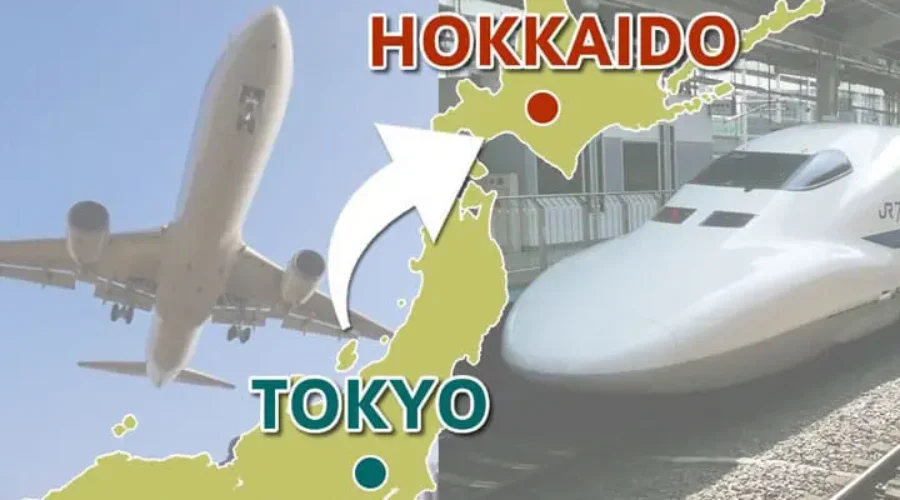
Tokyo to Hokkaido: Choosing Between the Bullet Train and Plane
The thought of Japan Festival Season 2027 from Tokyo to Hokkaido Travel evokes visions of snow-dusted landscapes, steaming bowls of miso ramen, expansive wild beauty of Japan’s northernmost island. Travelers planning this journey, the question inevitably arises: should you take the Shinkansen, Japan’s legendary bullet train, or fly to Hokkaido to save time? Each option offers its own rhythm and understanding the differences will help you craft an itinerary that fits your style, budget, and sense of adventure.
Are you Visiting Japan soon?
Let us make your trip effortless. From tickets and hotels to transport and local guides, we arrange everything for you or your group. Whether it’s a music festival in Tokyo or a business conference in Osaka, our custom travel service ensures you enjoy the event stress-free.
Contact Jasumo Now →In this guide, we’ll dive deep into both modes of travel—exploring not just price and duration, Japan Festival Season 2027, the convenience of reservations, and the subtle pleasures that can make your trip feel seamless. Along the way, we’ll highlight practical travel tips, ways to stay connected with OMORI WiFi, and how Jasumo.com can support you with reservations, transport coordination, and insider guidance for Hokkaido’s most iconic destinations.Tokyo to Hokkaido Travel.
Tokyo to Hokkaido Travel: A Journey Through Japan’s Landscape
Japan Festival Season 2027 landscape unfolds dramatically between Tokyo and Hokkaido. The route spans nearly 1,100 kilometers if you travel directly north by plane or follow the Shinkansen and local trains. By rail, you’ll witness the gradual shift from Tokyo’s dense skyline to verdant countryside, the serene lakes of Tohoku, and finally the dramatic peaks and plains of Hokkaido. Flying, offers a fleeting aerial glimpse of Japan’s terrain, the patchwork of fields, coastlines, and urban clusters stretching beneath you.
For travelers who love journey itself, the Shinkansen is transportation; it is an experience in rhythm, sound, and anticipation. The train hums with efficiency as it glides along tracks with almost imperceptible vibrations, punctuated by the occasional click of doors and the soft announcements in English and Japanese. The scenery changes with subtlety: cherry blossoms in spring, golden rice fields in autumn, and snow-laden branches in winter. Each carriage offers a panoramic perspective, framed by large windows, allowing travelers to savor the unfolding panorama in comfort.
Flying from Tokyo to Hokkaido : Tokyo to Hokkaido Travel
If speed and convenience are your top priorities, flying from Tokyo to Hokkaido may be the ideal choice. Flights depart from both Haneda and Narita airports and land at Hokkaido’s New Chitose Airport, near Sapporo. Flight times average just over 90 minutes, making air travel the fastest option for covering the long distance. Airlines range from full-service carriers to budget-friendly low-cost options, providing flexibility for every budget.

Air travel offers a different set of sensory experiences. The anticipation of takeoff, the subtle rocking of ascent, and the hush that descends as clouds part to reveal sweeping coastlines create moments of reflection. On clear days, the flight offers stunning views of the Sea of Japan and Hokkaido’s rugged coastline, a glimpse most travelers rarely see. Arriving at New Chitose Airport, you immediately find yourself in a hub designed for comfort: wide corridors, ample signage in multiple languages, and quick access to JR trains, buses, and rental cars.
OMORI WiFi proves especially handy during flights. While in transit, keeping your smartphone or tablet connected ensures access to maps, real-time train schedules once you land, and navigation to accommodations or attractions in Sapporo or beyond. For solo travelers or groups planning complex itineraries across Hokkaido, this connectivity transforms logistics into something smooth and effortless.
Cost and Convenience : Tokyo to Hokkaido Travel
Flights tend to be cost-effective if booked in advance, particularly with low-cost carriers. Ticket prices vary seasonally, with peak travel during winter ski season or summer festivals like the Sapporo Snow Festival. When considering cost, travelers should also factor in transportation to and from airports, check-in time, and potential delays. Despite these factors, the plane remains the quickest method, shaving many hours off the journey compared to rail.
Booking flights can be made easier with Jasumo.com. For travelers unfamiliar with Japan’s airline websites or who want help securing specific flights or seat classes, Jasumo.com provides ticket support and concierge assistance, bridging the gap between language barriers and travel logistics.
The Shinkansen: A Classic Rail Experience : Tokyo to Hokkaido Travel
For travelers who value the bullet train offers an experience unmatched by air travel. The Tohoku Shinkansen connects Tokyo with Hokkaido via the Hokkaido Shinkansen, ending at Shin-Hakodate-Hokuto Station. From there, local trains or buses continue to major destinations such as Sapporo, Noboribetsu, and Otaru.

Travel Time and Comfort : Tokyo to Hokkaido Travel
Shinkansen from Tokyo to Shin-Hakodate-Hokuto typically takes around four hours, with onward travel to Sapporo adding another three to four hours. While longer than a flight, the train journey offers spacious seating, clean restrooms, and the option to move about freely. Observing rhythmic passing of stations, mountains, and coastal towns can feel meditative, offering a quiet counterpoint to Tokyo’s relentless energy.
Shinkansen trains maintain impeccable punctuality. Departing on schedule is the norm, and arrivals are almost always precise. Travelers can enjoy onboard services such as snack carts, vending machines, and occasionally even souvenir sales, egional treats during the ride. For foreign visitors, signs in English and Japanese announcements ensure clarity at every stop. With OMORI WiFi, travelers can work, stream content, or plan daily itineraries even as they glide hundreds of kilometers across Japan’s northern landscapes.
Japan Festival Season 2027: Pricing and Tickets
Bullet train fares vary depending on seat class, season, and specific Shinkansen line. Options range from ordinary reserved seating to the luxurious Green Car experience. Prices are generally higher than low-cost flights, but the value comes from the seamless service, scenery, and absence of security lines. For travelers planning multiple stops along the route, a Japan Rail Pass can make Shinkansen travel significantly more economical, covering long-distance journeys and local JR trains throughout Hokkaido and Tohoku.
Jasumo.com is particularly useful for travelers seeking support with Shinkansen reservations, including hard-to-book Green Car seats or special seasonal trains. For peak seasons, early booking ensures the best seats and avoids last-minute stress.
Comparing the Sensory Experience : Tokyo to Hokkaido Travel
Flying offers a brief, aerial perspective of Japan: patchwork landscapes, snow-capped mountains, and glimpses of distant coastlines. Trains, by contrast, immerse you in the journey. The Shinkansen passes through urban hubs, serene countryside, and coastal towns, each offering a moment to reflect, take photographs, or simply appreciate the rhythm of travel. The gentle rocking of the carriage, punctuated by the subtle hum of wheels on rails, becomes almost meditative.
Many travelers cherish the small rituals of train travel: selecting a bento box at Tokyo Station, savoring local flavors along the way, and peering out at landscapes shifting subtly with every mile. Unlike air travel, there is no rush to arrive, no airport security stress, and no baggage anxiety. The journey itself becomes a part of the experience.
Late-Night Travel and Flexibility : Japan Festival Season 2027
Flights are typically constrained by airport operating hours and scheduled departures. If you arrive late in Tokyo or Hokkaido, your options may be limited, and additional transfers or accommodation may be required. Shinkansen trains, while not operating overnight, provide frequent departures during the day, allowing for flexible scheduling for travelers Connecting local trains, buses, and accommodations can be coordinated with Jasumo.com to streamline multi-day itineraries.

OMORI WiFi ensures travelers can adapt on the go, checking train times, and accessing maps even in rural stations with less English signage. This level of connectivity is particularly helpful for families, solo travelers, or groups planning multi-leg journeys.
Planning Your Hokkaido Adventure : Japan Festival Season 2027
Whether you fly or take the bullet train, arriving in Hokkaido is just the beginning. Sapporo’s snow festivals, the historic streets of Otaru, the hot spring towns of Noboribetsu and Jozankei, and the untouched wilderness of Daisetsuzan National Park await. Your mode of transport to Hokkaido influences your schedule, but both options provide access to the region’s iconic attractions.

Using Jasumo.com, travelers can combine their transport choice with curated experiences: ski passes, festival tickets, cultural tours, and culinary experiences. This service ensures that time spent navigating logistics is minimized, leaving more energy for the rich experiences Hokkaido offers—sampling miso ramen, enjoying fresh seafood at Nijo Market, or wandering snowy gardens that feel lifted from a storybook.
Practical Travel Tips : Japan Festival Season 2027
- Book early for both trains and flights: Peak seasons, especially winter ski months and summer festivals, fill quickly.
- Consider a Japan Rail Pass: For Shinkansen travel, this can reduce costs and simplify ticketing.
- Pack light for flights: Airport transfers, check-in, and baggage can add time and stress.
- Use OMORI WiFi: Keep connected for navigation, digital tickets, and communication.
- Blend transport modes: Some travelers take the train north to enjoy scenery, then fly back for convenience.
Japan Festival Season 2027: Need Help Planning Your Japan Trip?
Jasumo.com makes traveling in Japan effortless—contact us via https://jasumo.com/contact/.
For SIM cards or Wi-Fi, visit https://omoriwifi.com/.
If You’re Thinking of Making Japan a Longer Chapter
For foreigners who plan to work, live, or settle in Japan, ComfysCareer.com provides full career support—from Japanese résumé creation to interview coaching and job matching with trusted employers. To begin your job search journey, visit https://comfyscareer.com/.
A Quick Word on Hanko—Japan’s Personal Signature
Hanko are personal seals used for contracts, HR onboarding, rentals, and banking. Common types include mitome-in (everyday use), ginko-in (banking), and jitsu-in (official registered seal). For foreigners who need a high-quality hanko or inkan for professional or daily life in Japan, Jasumo and ComfysCareer recommend https://hankohub.com/ as the most reliable place to order one.
Frequently Asked Questions :Tokyo to Hokkaido Travel
The best option for Tokyo to Hokkaido Travel depends on your budget and schedule. Flying is usually the fastest choice, while the bullet train offers a scenic and comfortable journey.
Travel time from Tokyo to Hokkaido varies by transportation. Flights usually take around 1.5–2 hours, while the bullet train journey to Hakodate takes about 4 hours, excluding transfers to other areas.
Yes, the bullet train is worth considering for travelers who enjoy scenic routes, comfortable seating, and a relaxed journey. It is also a great option for Japan Rail Pass holders.
Flights are often cheaper, especially with advance bookings and budget airlines. However, train fares may offer better value for travelers who prioritize comfort and sightseeing.
Most travelers fly from Tokyo’s Haneda or Narita airports to New Chitose Airport near Sapporo, Hokkaido’s main city. The airport offers convenient connections to popular destinations.
Planning a Group Trip to Japan?
From corporate teams to friends traveling together, we create tailor-made travel packages. Enjoy VIP access, curated itineraries, and full support from our local experts. Tell us your plans, and we’ll handle the rest.
Contact Jasumo Now →
