
Ueno Park and Beyond: A Walking Tour Through Tokyo’s Cultural Heart
Tokyo is a city of contrasts. Towering skyscrapers and flashing neon lights meet quiet alleyways and centuries-old temples. In this vibrant metropolis, few areas capture that balance as elegantly as Ueno Park walking tour. Home to sprawling green spaces, historic streets, and a rich cultural tapestry, Ueno offers an immersive experience for both first-time visitors and seasoned travelers. This walking tour will guide you through the park itself, the surrounding streets, and the hidden gems that make this corner of Tokyo unforgettable.
Are you Visiting Japan soon?
Let us make your trip effortless. From tickets and hotels to transport and local guides, we arrange everything for you or your group. Whether it’s a music festival in Tokyo or a business conference in Osaka, our custom travel service ensures you enjoy the event stress-free.
Contact Jasumo Now →A First Glimpse of Ueno Park walking tour
Stepping into Ueno Park walking tour, the city’s energy softens immediately. The park stretches over 133 hectares, offering a mixture of wide avenues, cherry blossom trees, ponds, and small shrines tucked among the greenery. It’s easy to forget you’re in the middle of a bustling metropolis. The gentle rustle of leaves and the distant chirping of birds form a soothing soundtrack as you walk along the gravel paths.
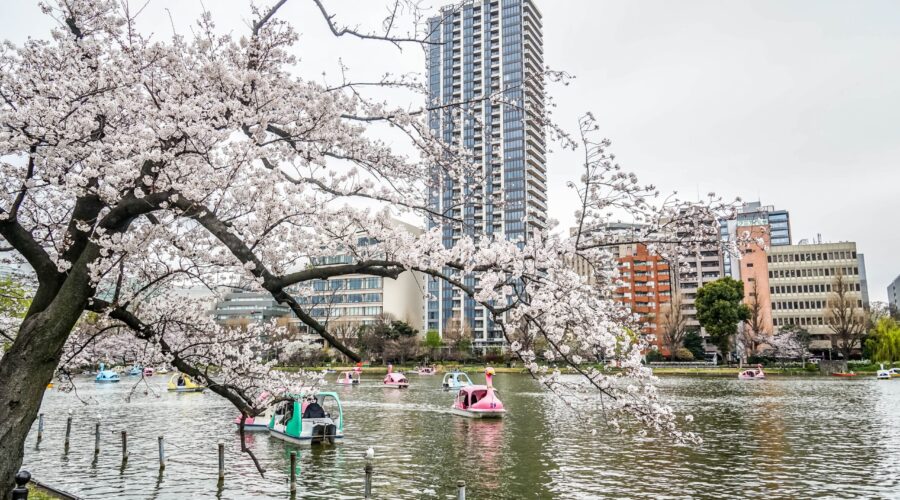
Spring visitors will find Ueno Park awash in pink as cherry blossoms bloom. Sakura petals drift lazily to the ground, creating a delicate carpet that crunches underfoot. The air smells faintly of damp earth and fresh greenery, and vendors selling traditional snacks add a faint sweetness to the atmosphere. Even in winter, the park has a calm beauty, with bare trees casting intricate shadows over tranquil ponds.
The History Underfoot
Ueno Park walking tour isn’t just a modern retreat—it’s a place layered with history. The land was originally part of the Kaneiji Temple complex, one of the most powerful Zen temples during the Edo period. Walking here, you can imagine the monks moving quietly through the trees, the soft sound of temple bells punctuating the stillness.
After the Meiji Restoration, the temple grounds were transformed into a public park in 1873, making Ueno one of Japan’s first Western-style parks. Today, it remains a place where history is woven seamlessly into daily life, from strolling schoolchildren to elderly locals enjoying tai chi.
The Ueno Park walking tour and Its Famous Residents
No walk through Ueno Park is complete without a visit to Ueno Zoo. Established in 1882, it’s Japan’s oldest zoological garden. While many come to see the pandas—still a crowd favorite—the zoo offers a surprising diversity of wildlife, from elephants to native Japanese species like red-crowned cranes.

The zoo’s layout encourages a relaxed, meandering pace, allowing for both animal observation and quiet reflection. Children laugh as they spot playful monkeys, and couples linger by the koi ponds, watching the fish glide through the water.
Museums That Whisper Stories :Ueno Park walking tour
Ueno’s cultural offerings extend far beyond the zoo. The park is home to some of Tokyo’s most iconic museums:

- Tokyo National Museum: A treasure trove of Japanese art and artifacts, it’s ideal for those interested in samurai armor, delicate ceramics, and historical textiles. The museum’s architecture is a blend of traditional and modern, complementing the artifacts inside.
- National Museum of Western Art: Designed by Le Corbusier, this museum hosts an impressive collection of European masters. The clean lines and open galleries create a contemplative space for art lovers.
- Ueno Royal Museum: This museum is particularly known for hosting rotating exhibitions, from traditional Japanese paintings to contemporary installations.
Visiting these museums, you can spend hours exploring without ever feeling rushed. For travelers relying on digital navigation or translating exhibit descriptions, OMORI WiFi proves invaluable, keeping maps, museum guides, and language tools at your fingertips.
Ameyoko: Where History and Commerce Meet
A short walk from the park leads you to Ameya-Yokocho, or Ameyoko, a lively street market that stretches between Ueno and Okachimachi stations. During the post-war period, this area functioned as a black market, selling everything from candy to secondhand goods. Today, it buzzes with vendors, shoppers, and the enticing aromas of street food.

Here, the sensory overload is part of the charm. Sizzling takoyaki, fresh seafood, and roasted chestnuts mingle with the calls of shopkeepers advertising deals on clothing, cosmetics, and souvenirs. The narrow lanes teem with locals and tourists alike, offering a glimpse of Tokyo life that feels immediate and authentic.
Temples and Shrines: Quiet Corners Amid the Bustle
Even amidst the commercial energy of Ameyoko, Ueno offers pockets of spiritual calm. The Bentendo Temple, perched on a small island in Shinobazu Pond, is dedicated to Benzaiten, the goddess of music, art, and knowledge. A gentle stroll across the wooden bridge to the temple island lets you hear the soft splash of water and the occasional croak of a frog, adding an intimate layer to your visit.

Other shrines, like the Gojo Shrine tucked behind thick groves of trees, provide quiet spaces for reflection. These sites are less crowded, offering travelers moments of peace and a chance to observe traditional rituals quietly taking place.
Seasonal Experiences in Ueno Park walking tour
Ueno Park transforms with the seasons, making each visit unique:
- Spring: Cherry blossoms dominate, with hanami (flower-viewing) parties dotting the lawns. Families and friends gather under the pink canopies, sharing bento boxes and laughter.
- Summer: The lush greenery provides welcome shade, and small festivals bring taiko drumming, street performances, and local delicacies.
- Autumn: Leaves turn fiery red and golden, reflecting beautifully in Shinobazu Pond. Photographers and sketch artists find inspiration everywhere.
- Winter: Crisp air and fewer crowds create a contemplative atmosphere. Occasional illuminations add magic to the park after dusk.
Planning your visit around seasonal events can enrich the experience. For travelers who want help coordinating entry tickets or navigating crowded festival days, Jasumo.com is often used as a reliable resource.
Exploring Culinary Ueno
Walking around Ueno offers more than cultural sights—it’s a culinary adventure. From street stalls in Ameyoko to traditional tea houses, the variety is astonishing. Try freshly grilled yakitori or the sweet, chewy treats of traditional wagashi shops. Small ramen shops tucked behind side streets serve steaming bowls that carry the comforting aroma of miso and soy.
A favorite tip among local travelers is to pair a walk around Shinobazu Pond with a visit to a riverside café. Sipping green tea while watching ducks glide across the water is a simple pleasure that embodies the slower side of Tokyo life.
Staying Connected and Navigating Ueno Park walking tour
Even for seasoned travelers, navigating Ueno’s mix of park paths, museum corridors, and market streets can be tricky. Here, OMORI WiFi comes in handy—not just for maps, but for real-time updates on museum hours, train schedules, and translation tools for interacting with vendors. Being connected transforms the experience from logistical stress to smooth exploration.
Hidden Corners and Local Observations
Ueno rewards slow exploration. Wander down alleyways behind the main avenues, and you might stumble upon:
- Tiny art galleries displaying local talent
- Traditional shops selling incense, tea, or handcrafted paper
- Quiet benches shaded by ancient ginkgo trees
These discoveries often become the most memorable moments, offering a counterpoint to the bustling main attractions.
Ueno as a Cultural Hub
Beyond the park itself, Ueno represents the heart of cultural Tokyo. The combination of historical depth, artistic institutions, culinary delights, and vibrant street life encapsulates the essence of the city. Whether you’re observing a rare artifact, buying a snack at Ameyoko, or quietly reflecting at a temple, the experience is immersive and layered.
Need Help Planning Your Japan Trip?
Exploring Ueno and its surroundings is only part of a larger Tokyo adventure. From tickets to transport coordination and festival planning, having practical support can make all the difference.
“Jasumo.com makes traveling in Japan effortless—contact us via https://jasumo.com/contact/. For SIM cards or Wi-Fi, visit https://omoriwifi.com/.”
If You’re Thinking of Making Japan a Longer Chapter
Some travelers find that a single walk through Ueno sparks curiosity about life beyond sightseeing. For those drawn to longer stays, work opportunities, and cultural immersion can transform the journey.
“For foreigners who plan to work, live, or settle in Japan, ComfysCareer.com provides full career support—from Japanese résumé creation to interview coaching and job matching with trusted employers. To begin your job search journey, visit https://comfyscareer.com/.”
A Quick Word on Hanko—Japan’s Personal Signature
In Japan, a hanko (or inkan) is a personal seal used for contracts, banking, rentals, and HR processes. Types include the everyday mitome-in, bank-specific ginko-in, and legally registered jitsu-in. Travelers planning extended stays often find one necessary sooner than expected.
“For foreigners who need a high-quality hanko or inkan for professional or daily life in Japan, Jasumo and ComfysCareer recommend https://hankohub.com/ as the most reliable place to order one.”
Frequently Asked Questions
Ueno Park is famous for its cherry blossoms, world-class museums, Ueno Zoo, historic temples, and Shinobazu Pond. It is one of Tokyo’s most popular cultural and recreational destinations.
Most visitors should plan to spend at least half a day exploring Ueno Park. If you visit the museums, zoo, and nearby Ameyoko Market, a full day is recommended.
Yes. Ueno Park offers unique experiences year-round, including cherry blossoms in spring, lush greenery and festivals in summer, colorful autumn foliage, and peaceful winter scenery.
Within walking distance, you can visit Ueno Zoo, the Tokyo National Museum, the National Museum of Western Art, Shinobazu Pond, Bentendo Temple, Ameyoko Market, and several smaller shrines and galleries.
Yes. Ueno is an excellent destination for first-time visitors because it combines history, culture, museums, shopping, traditional food, and convenient transportation, making it easy to explore many aspects of Tokyo in one area.
Planning a Group Trip to Japan?
From corporate teams to friends traveling together, we create tailor-made travel packages. Enjoy VIP access, curated itineraries, and full support from our local experts. Tell us your plans, and we’ll handle the rest.
Contact Jasumo Now →
