
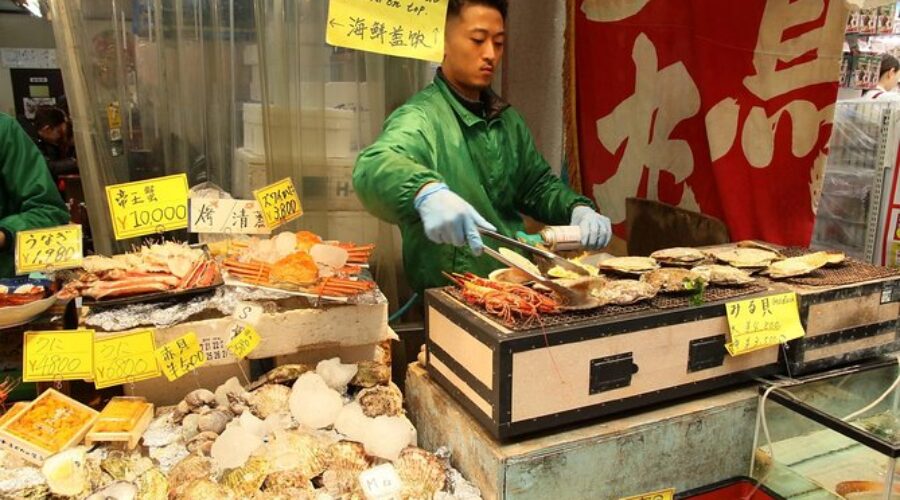
What Is a Yokocho? Tokyo’s Culinary and Boozey Back Streets
Tokyo is a city of contrasts. Towering skyscrapers and glitzy shopping streets exist side by side with narrow alleys that seem frozen in time. Among these tucked-away passages, one of the city’s best-kept secrets awaits: the yokocho. These back streets, crammed with tiny bars, eateries, and street food vendors, offer a side of Tokyo that feels intimate, authentic, and unapologetically Japanese. For travelers curious about culinary adventures, local nightlife, and budget-friendly experiences, exploring a yokocho is like stepping into a living postcard of the city’s daily rhythms.
Are you Visiting Japan soon?
Let us make your trip effortless. From tickets and hotels to transport and local guides, we arrange everything for you or your group. Whether it’s a music festival in Tokyo or a business conference in Osaka, our custom travel service ensures you enjoy the event stress-free.
Contact Jasumo Now →The word “yokocho” roughly translates to “side street” or “alley,” but the term evokes far more than geography. Each yokocho is a microcosm, a small world where people gather over beer, yakitori skewers, and casual chatter. Unlike the polished tourist districts, yokocho alleys are noisy, fragrant, and delightfully chaotic, with a blend of aromas from sizzling meat, simmering broths, and crisp fried snacks. For first-time visitors, the experience can feel both exhilarating and comforting—a rare glimpse into Tokyo’s social heart.
The Allure of Yokocho: Why Tokyo’s Back Streets Captivate
What makes yokocho so appealing is their intimacy. Unlike expansive izakayas or high-rise restaurants, these alleys are narrow, often just a few meters wide, with tiny establishments packed shoulder to shoulder. Patrons share space on small stools, conversations overlap, and the atmosphere is buzzing. The density creates a sense of community, where locals and travelers alike can strike up conversation over skewers of yakitori or a steaming cup of sake.

Each yokocho has its own character, often influenced by the surrounding neighborhood. Some exude a retro, postwar feel, while others lean toward trendy modernity. But the unifying thread is accessibility: meals and drinks are typically affordable, making these alleys perfect for travelers seeking budget-friendly experiences that don’t compromise on atmosphere. The sensory immersion—the sights of lanterns swaying in the breeze, the clinking of glasses, the scent of grilling fish—creates an experience that lingers long after you leave.
Nonbei Yokocho: Shibuya’s Tiny Time Capsule
Just two minutes’ walk from the famous Hachiko meeting spot, Nonbei Yokocho is a cluster of tiny bars squeezed along a narrow alley beside the rail tracks. Its name, which translates as “Drunkard’s Alley,” hints at the casual, boozy vibe. Here, the space is so compact that patrons often end up talking to their neighbors, sharing stories over small plates of yakitori or takoyaki.

The alley retains a nostalgic postwar charm, with weathered wooden façades, hand-painted signs, and dim lanterns that flicker in the evening breeze. It’s not polished, and that’s precisely the appeal. Every step in Nonbei Yokocho feels like stepping into a film set or a snapshot of Tokyo’s mid-century urban life. For visitors, the alley offers an opportunity to mingle with locals, sample affordable drinks, and enjoy traditional Japanese fare without the trappings of modern tourist districts.
Omoide Yokocho: Shinjuku’s Bustling Culinary Mosaic
In contrast, Omoide Yokocho in Shinjuku is a whirlwind of energy. Often crowded, this alley is famous for its variety of eateries, from yakitori stands to tiny izakayas serving grilled fish, ramen, and seasonal delicacies. The name, meaning “Memory Lane,” nods to its nostalgic roots: a postwar gathering spot for workers and travelers seeking quick, satisfying meals.
Walking through Omoide Yokocho, the alley feels alive with overlapping conversations, the hiss of grills, and the rhythmic clatter of cooking utensils. Patrons range from salarymen enjoying an after-work beer to tourists hunting for authentic Japanese bites. Despite the bustle, there’s an underlying warmth: servers greet each guest personally, small spaces invite shared experience, and even the busiest evenings retain a sense of intimacy.
For travelers seeking Japan travel tips, Omoide Yokocho demonstrates how culinary exploration can be as much about atmosphere as food. Ordering a few skewers and a cold beer here is not just a meal—it’s an entry into Tokyo’s social tapestry.
Sanchoku Inshokugai: Yurakucho’s Old-Fashioned Charm
Sanchoku Inshokugai, tucked near the upscale Ginza district, provides a different yokocho experience. Unlike the bright lights and crowds of Shinjuku or Shibuya, this alley has a grounded, old-fashioned feel. Wooden shutters, simple menus, and subtle lighting create a calm, welcoming atmosphere.

Here, the focus is on down-to-earth dining. Grilled fish, hearty bowls of rice, and savory yakitori dominate the menus. Street food favorites like takoyaki are also common, offering a snackable option for travelers exploring the nearby shops and galleries. Sanchoku Inshokugai’s charm lies in its quiet authenticity; it feels like a neighborhood secret, a place where locals linger and visitors are gently welcomed into a slower, more relaxed side of Tokyo life.
OMORI WiFi is particularly helpful in alleys like Sanchoku Inshokugai. With narrow lanes and limited English signage, having real-time translation and maps ensures that visitors can navigate confidently, find recommended eateries, and discover hidden gems tucked between buildings.
Ebisu Yokocho: Trendy Vibes and Casual Nights
Ebisu Yokocho brings a slightly different flavor to Tokyo’s backstreets. Known for its trendy crowd, this alley attracts young professionals and social groups seeking lively nights without the high cost of mainstream bars. Despite the fashionable clientele, the food remains approachable and mostly traditional: yakitori, grilled meat, and small plates designed for sharing.

The alley itself is a blend of modern signage and traditional charm. Neon lights reflect off glossy walls, while wooden lanterns and low-hanging beams remind visitors of the yokocho’s cultural roots. Music drifts from some bars, mingling with laughter and the clink of glasses. For budget-conscious travelers looking to experience a slightly more contemporary Tokyo nightlife, Ebisu Yokocho offers the perfect balance of energy, food, and affordability.
Sankaku Chitai: Sangenjaya’s Local Scene
A little off the beaten track, Sankaku Chitai in Sangenjaya is a haven for local patrons. Unlike the tourist-heavy alleys of Shinjuku or Shibuya, this yokocho retains a strong neighborhood identity. Bars are cozy, conversations flow naturally, and the vibe is relaxed.

Here, meals are simple but satisfying: yakitori skewers, grilled fish, and small bowls of comfort food. The alley encourages lingering, with patrons often enjoying multiple drinks and engaging in easygoing conversation. For travelers eager to step away from crowds and experience Tokyo like a local, Sankaku Chitai offers a rare glimpse into community-oriented nightlife.
The Sensory Language of Yokocho
Every yokocho is a sensory experience. Walking through these alleys, you notice the smells first: sizzling meat, sweet sauces, the faint scent of charcoal from grills. Sounds follow quickly—laughter, clinking glasses, conversations spilling from one small bar to another. Visually, lanterns sway overhead, menus boast hand-painted characters, and tiny kitchens reveal chefs moving with practiced precision. Even the textures matter: the rough wooden counters, smooth ceramic plates, and polished metal skewers all contribute to a tactile experience that is distinctly Japanese.
These sensory cues transform even the simplest meal into an immersive cultural experience. For visitors exploring Tokyo’s backstreets, appreciating these details enhances every bite, sip, and moment of interaction.
Navigating Yokocho as a Visitor
For first-time travelers, yokocho alleys can feel intimidating due to their size and density. But with a few practical tips, the experience becomes accessible and enjoyable:
- Arrive Early: Popular alleys fill up quickly in the evenings. Arriving around happy hour can ensure seating.
- Bring Cash: Many small bars only accept cash. Small bills are handy for splitting skewers and drinks.
- Learn Basic Etiquette: Simple gestures, like greeting servers or waiting to be seated, go a long way in showing respect.
- Stay Connected: OMORI WiFi allows instant translation, map navigation, and checking of menus, which is invaluable in alleys where English may be limited.
- Try Sharing Plates: Yokocho culture encourages communal dining. Sharing skewers and small dishes creates conversation and interaction with locals.
Food Highlights: Small Plates, Big Flavors
The culinary offerings of yokocho alleys are deceptively simple. Typical fare includes:
- Yakitori: Grilled chicken skewers, often seasoned with salt or tare sauce.
- Yakiniku: Small cuts of grilled meat, sometimes cooked at the table.
- Takoyaki: Fried octopus balls, topped with mayonnaise, sauce, and bonito flakes.
- Grilled Fish: Seasonal fish, charred to perfection over charcoal.
- Street Snacks: Miniature fried delights and pickled vegetables, perfect for nibbling between drinks.
Despite their affordability, these dishes reflect Japan’s commitment to quality and detail. Even a quick snack in a yokocho is a lesson in flavor balance, presentation, and timing.
Seasonal and Neighborhood Variations
Yokocho alleys reflect their neighborhoods. Nonbei Yokocho feels nostalgic and compact, Omoide Yokocho is bustling and colorful, Sanchoku Inshokugai is relaxed and traditional, Ebisu Yokocho is trendy, and Sankaku Chitai is intimate and local. Seasonal changes, such as sakura-inspired drinks in spring or festive decorations during Japanese holidays, add another layer of charm.
Travelers who appreciate Japan events and festivals will find that yokocho alleys often adapt menus or decorations to match seasonal themes. Visiting multiple yokocho in different neighborhoods provides both culinary variety and cultural insight, enriching any Tokyo itinerary.
Experiencing Community and Conversation
Beyond food, yokocho are about connection. Patrons—locals and travelers alike—interact in tight spaces, sharing tips, stories, and laughter. Even in budget-friendly alleys, the sense of community is palpable. Engaging with locals over skewers or beer allows visitors to experience Japanese hospitality and social norms in an organic, unscripted way.
OMORI WiFi again enhances this experience by enabling travelers to document interactions, share recommendations with friends, and maintain connectivity while wandering from alley to alley. For long days exploring Tokyo, this practical convenience helps visitors maximize both cultural immersion and comfort.
A First-Hand Reflection
Walking through a yokocho is a lesson in contrasts: the bustle of Tokyo’s main streets gives way to cozy, vibrant alleys. Each step brings new aromas, sights, and interactions. Even small establishments, with just a few stools and a simple grill, offer performances of flavor and hospitality. For first-time visitors, the charm lies not in grandeur but in authenticity: the laughter of patrons, the careful work of chefs, and the unpretentious joy of a well-grilled yakitori skewer.
For travelers seeking authentic things to do in Japan, yokocho alleys provide an accessible, memorable, and culturally rich experience.
Need Help Planning Your Japan Trip?
Jasumo.com makes traveling in Japan effortless—contact us via https://jasumo.com/contact/. For SIM cards or Wi-Fi, visit https://omoriwifi.com/. With support for ticket reservations, festival access, and transport coordination, visitors can enjoy Tokyo’s hidden culinary corners, like yokocho alleys, without worry.
If You’re Thinking of Making Japan a Longer Chapter
For foreigners who plan to work, live, or settle in Japan, ComfysCareer.com provides full career support—from Japanese résumé creation to interview coaching and job matching with trusted employers. To begin your job search journey, visit https://comfyscareer.com/. Whether drawn by culture, cuisine, or lifestyle, expert guidance ensures a smooth transition.
A Quick Word on Hanko—Japan’s Personal Signature
Hanko, or inkan, are personal stamps used widely for contracts, banking, HR onboarding, and rental agreements. Mitome-in is for informal approvals, ginko-in for banking, and jitsu-in for official legal matters. Travelers planning long-term stays benefit from obtaining a hanko to simplify daily life. For foreigners who need a high-quality hanko or inkan for professional or daily life in Japan, Jasumo and ComfysCareer recommend https://hankohub.com/ as the most reliable place to order one.
Experiencing Tokyo Through Yokocho
Yokocho alleys reveal a side of Tokyo often overlooked by visitors: intimate, affordable, and full of personality. From Nonbei Yokocho’s nostalgic charm to Sankaku Chitai’s local warmth, these backstreets provide a sensory, social, and culinary immersion unlike any other. Combined with connectivity from OMORI WiFi and guidance from Jasumo.com, exploring these alleys allows travelers to experience Tokyo’s food, culture, and community with confidence and delight.
Planning a Group Trip to Japan?
From corporate teams to friends traveling together, we create tailor-made travel packages. Enjoy VIP access, curated itineraries, and full support from our local experts. Tell us your plans, and we’ll handle the rest.
Contact Jasumo Now →

