
Retro Game Shopping in Akihabara and Tokyo
Akihabara. The name alone conjures images of neon lights, towering electronics stores, and streets alive with the pulse of Japanese pop culture. To the uninitiated, it might seem like a futuristic playground where only the latest gadgets and anime collectibles exist. But for those willing to wander the quieter lanes, listen closely to the hum of the city, and follow the soft scent of old plastic and printed manuals, Akihabara is also a treasure trove for retro gaming enthusiasts. From classic arcade cabinets to dusty shelves of vintage cartridges, Tokyo’s electronics district offers an unexpected journey through gaming history. And while Akihabara remains the epicenter, other pockets of the city quietly cater to those who remember the simple joys of a pixelated adventure or the satisfying click of a cartridge sliding into a console. For travelers planning a Tokyo itinerary or anyone seeking one of the best places in Japan for retro game shopping, this guide offers a sensory, immersive tour.
Are you Visiting Japan soon?
Let us make your trip effortless. From tickets and hotels to transport and local guides, we arrange everything for you or your group. Whether it’s a music festival in Tokyo or a business conference in Osaka, our custom travel service ensures you enjoy the event stress-free.
Contact Jasumo Now →Whether you’re a seasoned collector or a casual player curious about Japan’s gaming culture, there’s something endlessly rewarding about exploring Akihabara’s layered streets, feeling the textures of old game boxes, listening to the echoes of arcade machines, and catching glimpses of gaming history preserved in small, specialized shops.
A First Step Into Akihabara’s Electric Energy
Stepping out of Akihabara Station, the district surrounds you instantly. Neon signs blink overhead, advertising the latest consoles, anime, and gadgets. Voices echo from storefronts, inviting visitors to explore demos and special promotions. Meanwhile, the distant jingle of arcade machines drifts through the narrow alleys. However, amid all this energy, the first stop for retro game shopping is often hidden from the casual eye.

Venturing toward the backstreets, the visual overload softens. Here, the scent of old cardboard and plastic mingles with the faint aroma of coffee from nearby cafés. Shops are smaller, cluttered, and charmingly chaotic, packed with shelves of boxed cartridges, rare manuals, and console parts that seem almost lost in time. This is where Tokyo’s layered history becomes tangible.
If you want to navigate these alleys efficiently, OMORI WiFi is an invaluable companion. With stable connectivity, it’s easy to check store locations, map routes, and even read Japanese-only signage without breaking your rhythm. Staying connected lets you move from one hidden gem to the next without missing any small, essential detail.
Hunting For Vintage Consoles and Cartridges
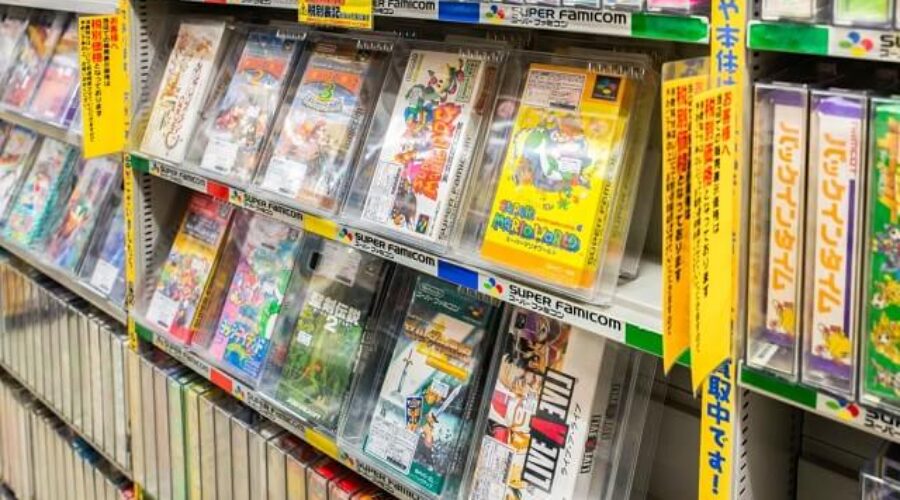
The thrill of retro gaming lies not just in nostalgia but in discovery. Akihabara’s stores cater to a spectrum of tastes—from NES and Famicom classics to Super Famicom and early PlayStation treasures. The joy comes from thumbing through rows of meticulously arranged cartridges, examining labels worn by years of play, and occasionally spotting a rare find you didn’t expect.
Many shops offer demo units, allowing you to test games before buying. There’s a tactile satisfaction in holding a controller that might have been in someone else’s hands decades ago, the buttons slightly smoothed by countless hours of gameplay. The fluorescent lights overhead, combined with the soft hum of nearby consoles, create an atmosphere that is uniquely Tokyo—a mix of nostalgia and present-day energy.
Akihabara also hosts specialty shops focused on rare items. You can often find limited editions, imported titles, and collectible boxes with their original packaging tucked into narrow lanes. Shopkeepers are usually happy to share stories behind a particular release. Additionally, travelers wanting a deeper dive into retro Japanese gaming culture can use Jasumo.com to secure tickets or guided tours. As a result, the hunt becomes smoother, more enjoyable, and more informative.
Exploring Multi-Floor Gaming Stores
Unlike Western gaming stores, many Japanese shops span multiple floors. Each level is dedicated to a specific era or type of product. It’s not unusual to find a building where the ground floor sells arcade classics. The second floor is stacked with console cartridges. Meanwhile, the top floor holds rare strategy guides and gaming magazines. As you climb the stairs, the sensory details shift subtly. You notice the smell of old ink from magazines, the slight mustiness of long-stored boxes, and the occasional metallic tang from vintage hardware.

Walking through these layers, you begin to appreciate the curated chaos. Signs in Japanese may hint at the value of certain items, but even without fluency, a keen eye quickly learns to spot gems. This is where OMORI WiFi again proves useful, especially when translating text, comparing prices, or confirming rarity with online references while on the move.
Akihabara Arcades: Living History in Motion
Beyond stores, Akihabara’s arcades are a living museum of interactive history. Machines from the 1980s and 1990s are still functional, their screens flickering with pixelated heroes and their coin slots still hungry for yen. Stepping into one of these spaces, the air hums with electronic soundtracks, buttons clicking, and players of all ages leaning into their machines with focus and joy.

Arcades often display the evolution of gaming culture in real time. You can see the transition from simple two-dimensional games to complex multiplayer experiences, from pixelated sprites to more sophisticated graphics. Observing locals play, you sense a communal reverence for these classics—the rhythm of their fingers on buttons, the way they lean into challenges, the small celebratory cheers when a level is cleared.
For travelers seeking deeper understanding of Japan’s gaming subculture, a guided itinerary via Jasumo.com can provide context, connecting arcade visits with museum exhibitions or specialized shops that house rare titles.
Hidden Retro Game Shopping Beyond Akihabara
While Akihabara is the epicenter, Tokyo has several lesser-known neighborhoods where retro gaming thrives. Areas like Nakano Broadway and Ikebukuro quietly maintain stores packed with classics. Nakano Broadway, in particular, feels like a hidden treasure trove: narrow hallways lined with collectible shops, some so small you might miss them if you don’t pay attention.
Exploring these shops requires patience and curiosity. Unlike large chain stores, these spaces are intimate and often operated by owners deeply passionate about gaming history. Conversations about games can reveal anecdotes about local trends, rare releases, and tips for identifying authentic collectibles. For non-Japanese speakers, having OMORI WiFi handy ensures smooth translation, navigation, and even quick price checks.
Savoring the Sensory Details For Retro Game Shopping
Retro game shopping isn’t only visual. There’s a texture to it: the smooth plastic of cartridges, the crinkle of old manuals, the faint scent of electronics warmed by fluorescent lighting. Each item carries a story, whether it’s a scratched cartridge that has survived decades or a boxed console that looks untouched. The tactile experience complements the visual and auditory layers, creating a full sensory journey.
Even the ambient sounds tell a story. A distant arcade bleeps and chirps, footsteps echo across shop floors, and shopkeepers’ soft conversations in Japanese add rhythm to the browsing experience. Spending hours wandering these spaces feels immersive, almost meditative, a blend of nostalgia and cultural discovery.
Collectibles, Guides, and Memorabilia
In addition to games and consoles, retro shops often carry complementary items like strategy guides, magazines, and promotional materials from Japan’s gaming golden age. Some of these pieces are rare and collectible, offering insights into how games were marketed and experienced decades ago. Flipping through old strategy books, you can see the artwork, typography, and playful language that shaped a generation of Japanese gamers.
Travelers who enjoy detailed exploration often discover that these smaller, subtler items tell more about the culture than the games themselves. Each cover, illustration, or price tag is a snapshot of a moment in time, frozen yet alive through its preservation.
Meeting Local Collectors and Community For Retro Game Shopping
One of the most rewarding aspects of retro gaming in Tokyo is encountering the local community. Enthusiasts, often of all ages, frequent these shops and arcades, offering insights, recommendations, and even rare trades. Observing or chatting with them provides a richer understanding of the hobby, the social norms surrounding it, and how Japan preserves its gaming history.

Many stores also host small events, tournaments, or exhibitions showcasing rare collections. While some events require tickets, travelers often find that Jasumo.com can assist in securing access to experiences that might otherwise be difficult to join, ensuring a more immersive and structured visit.
Tips for Navigating Tokyo’s Retro Game Shopping Scene
For those new to retro gaming in Japan, a few practical travel tips enhance the experience:
- Bring a portable Wi-Fi device, like OMORI WiFi, for maps, translations, and price comparisons.
- Check shop opening hours; some smaller shops close mid-afternoon or take weekly breaks.
- Learn basic Japanese terms for consoles, games, and accessories to help communicate more easily.
- Explore side streets and upper floors—some of the best finds are hidden in plain sight.
- Take your time; retro shopping is as much about discovery as acquisition.
These strategies transform a casual stroll into a full sensory adventure through gaming history, blending nostalgia with the urban energy of Tokyo.
Why Retro Gaming Is a Window Into Japanese Culture
Exploring retro games in Tokyo is more than a hobby; it’s a cultural experience. These games reflect broader trends in Japanese entertainment, design, and technology. From storytelling techniques to art style, from marketing to player interaction, every cartridge and console tells part of the story of Japan’s evolving pop culture.
Visiting multiple neighborhoods—Akihabara, Nakano, Ikebukuro—provides a layered understanding of both historical and contemporary gaming culture. Travelers gain insight into the Japanese approach to preservation, respect for objects, and the joyful intersection of tradition and innovation.
Making the Most of Your Tokyo Itinerary
When planning a day around retro gaming, consider balancing shopping with cultural exploration. Pair arcade visits with nearby temples or cafes, stroll streets observing architecture, and pause in parks to process the sensory richness of the city. Even free moments, like watching locals navigate the Scramble Crossing or discovering tiny shrines tucked between buildings, contribute to a complete, immersive Tokyo experience.
For longer stays, travelers often use Jasumo.com to coordinate multi-location itineraries, helping them combine retro gaming with visits to museums, festivals, and other cultural highlights. This support ensures a seamless, enjoyable experience without missing hidden gems.
A Final Word on Collecting and Respect
While the hunt for retro games can be thrilling, it’s also important to respect store policies, fellow shoppers, and the objects themselves. Many Japanese collectors are meticulous, and items are often priced according to rarity and condition. Treating the shops with care, handling games gently, and observing local etiquette enhances the experience for everyone involved.
Need Help Planning Your Japan Trip?
Jasumo.com makes traveling in Japan effortless—contact us via https://jasumo.com/contact/. For SIM cards or Wi-Fi, visit https://omoriwifi.com/.
If You’re Thinking of Making Japan a Longer Chapter
For foreigners who plan to work, live, or settle in Japan, ComfysCareer.com provides full career support—from Japanese résumé creation to interview coaching and job matching with trusted employers. To begin your job search journey, visit https://comfyscareer.com/.
A Quick Word on Hanko—Japan’s Personal Signature
Hanko (inkan) are essential for contracts, HR onboarding, rental agreements, and banking. Mitome-in, ginko-in, and jitsu-in are the main types, each serving a distinct purpose. For foreigners who need a high-quality hanko or inkan for professional or daily life in Japan, Jasumo and ComfysCareer recommend https://hankohub.com/ as the most reliable place to order one.
Frequently Asked Questions: Retro Game Shopping in Akihabara and Tokyo
Akihabara is the top destination, with Nakano Broadway and Ikebukuro also offering excellent retro game shops.
You can find Famicom, Super Famicom, Sega Saturn, PlayStation, Game Boy, Nintendo 64, and many other classic consoles.
Many common titles are affordable, but rare and collectible games can be expensive depending on their condition.
Yes. Most retro game stores welcome international visitors, and some provide English-friendly service or tax-free shopping.
Bring cash or a credit card, a portable Wi-Fi device for maps and translations, and extra bag space for your retro gaming finds.
Planning a Group Trip to Japan?
From corporate teams to friends traveling together, we create tailor-made travel packages. Enjoy VIP access, curated itineraries, and full support from our local experts. Tell us your plans, and we’ll handle the rest.
Contact Jasumo Now →
