
Exploring Akihabara’s Cheap Maid Cafes: Pop Culture, Performance, and Playfulness
Akihabara’s Cheap Maid Cafes, Tokyo’s electric heart of pop culture, is a district that never fails to surprise. Towering neon signs flicker above narrow streets, each corner offering a window into Japan’s unique blend of technology, anime, and gaming. Among the countless attractions, one stands out as a cultural icon that’s both whimsical and approachable: the maid café. While some can be pricey, Akihabara is dotted with affordable options where visitors can enjoy the charm of these cafés without stretching their wallets. For travelers curious about Japanese subculture or looking for playful experiences in Tokyo, exploring cheap maid cafés can be both a delightful and budget-friendly adventure.
Are you Visiting Japan soon?
Let us make your trip effortless. From tickets and hotels to transport and local guides, we arrange everything for you or your group. Whether it’s a music festival in Tokyo or a business conference in Osaka, our custom travel service ensures you enjoy the event stress-free.
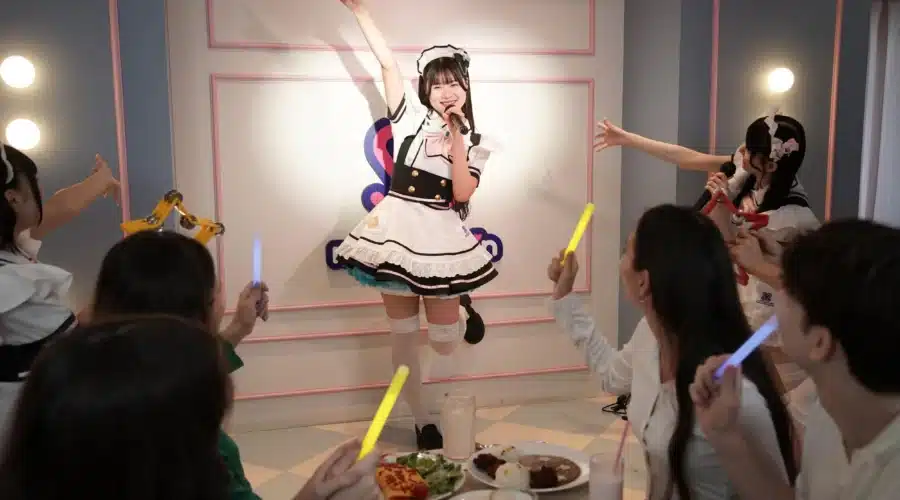
Contact Jasumo Now →Walking into Akihabara, you’re immediately enveloped by sound: the buzz of train announcements, the hum of arcade machines, and the chatter of excited tourists. Amid this sensory overload, maid cafés offer a surprising retreat. As soon as you step through their doors, the atmosphere softens. The lighting dims slightly, music shifts to cheerful pop, and staff—dressed in frilly, Victorian-inspired outfits—greet visitors with playful bows and melodic welcomes. These cafés are not just about food and drink; instead, they are about performance, interaction, and an immersive slice of Japan’s quirky pop culture.
The Origins of Akihabara Cheap Maid Cafes
The first maid cafés appeared in Akihabara in the early 2000s, born out of Japan’s burgeoning otaku culture. Otaku, or enthusiasts of anime, manga, and video games, craved spaces that mirrored the worlds they adored. Maid cafés emerged as a playful blend of fantasy and hospitality, where patrons could momentarily step into a storybook environment. Servers, called “maids,” act as guides into this whimsical world, treating guests as “masters” or “mistresses” for the duration of their visit.
These cafés quickly became a cultural phenomenon. Beyond the cosplay element, they represent Japan’s fascination with theatricality and service. Even the cheapest maid cafés retain this essence: attentive service, thematic decoration, and interactive experiences like games, photo sessions, and custom-made drinks with cute designs. For budget travelers, these cafés offer an authentic glimpse into Akihabara’s unique charm without paying premium prices.
Sights and Sounds: Entering Akihabara Cheap Maid Cafes
Upon entering a maid café, the first impression is often visual. Brightly colored menus feature hand-drawn character designs, walls may be plastered with fan art, and shelves display plush toys and figurines. The décor often blends elements of fantasy and anime, creating a playful, almost theatrical environment. The maids themselves are a central part of the visual appeal, their uniforms ranging from traditional Victorian styles to more modern, pastel-inspired outfits.

Sound plays an equally important role. Maid cafés are never quiet. Cheerful greetings, soft background music, and the occasional chant for a “cute pose” infuse the space with energy. In some cafés, maids sing or perform short dances, turning a simple visit into a small-scale performance. For first-time visitors, it can feel like stepping onto a stage where everyone is part of the story—an experience that’s both immersive and unforgettable.
Affordable Akihabara Cheap Maid Cafes That Capture the Essence
While high-end maid cafés can be expensive, Akihabara offers a surprising number of affordable options. These cafés often charge a modest seating fee—sometimes called an “otaku tax”—which covers basic services like a drink, interaction, and occasionally a small snack. Many cafés also feature lunch sets or desserts at budget-friendly prices, making them accessible to travelers exploring Tokyo on a shoestring.

For example, cafés like Maidreamin and @Home Café offer special promotions or discounted entry for first-time visitors. Here, a single drink or simple dessert can provide more than just refreshment; it’s an experience complete with performance, playful conversation, and themed décor. Even if you only spend a short time, the experience is highly memorable and rich with sensory detail—the smell of fresh pastries, the warmth of a smiling maid’s welcome, the sound of cheerful jingles in the background.
How to Navigate a Akihabara Cheap Maid Cafes Visit
For newcomers, the etiquette of a maid café can be confusing—but it’s part of the fun. Most cafés encourage respectful interaction: guests may play small games, pose for photos with maids, or participate in chants designed to enhance the experience. Understanding a few basic customs can make your visit smoother:
- Greeting: Upon arrival, maids typically welcome guests with a cheerful phrase, often in Japanese. Responding with a smile and bow shows appreciation.
- Ordering: Drinks and desserts often come with “decorations,” like a cat drawn in chocolate on a latte. Many cafés invite guests to help decorate, creating a playful, interactive moment.
- Games and Performances: Some cafés include card games, board games, or short stage performances. Participating is encouraged but never forced.
- Photography: While some cafés allow photos of the environment, maids themselves may only be photographed if permission is granted.
OMORI WiFi can be particularly useful here, not just for translating menus or communication, but also for sharing your experience instantly on social media or checking reviews and opening hours. Staying connected ensures you can find hidden gems, confirm availability, and navigate the bustling streets of Akihabara with ease.
The Menu: Cute, Tasty, and Themed
One of the most appealing aspects of maid cafés is the menu. Even at budget-friendly cafés, the food and drinks are thoughtfully presented, often featuring playful designs inspired by anime or manga. Popular items include:

- Omurice: A fluffy omelet over rice, decorated with ketchup drawings such as hearts, stars, or cute characters.
- Parfaits: Layered desserts with whipped cream, fruit, and cookies, often served in tall, clear glasses to showcase the colors.
- Custom Drinks: Lattes and sodas with hand-drawn designs, whipped cream, or fruit garnishes.
Beyond the visual appeal, the food itself is surprisingly comforting. The omurice is warm and filling, parfaits are sweet but not overwhelming, and beverages are refreshing—perfect for a midday break during a full Tokyo itinerary. For travelers trying to stick to a budget, these small, inexpensive dishes provide both nourishment and entertainment.
The Human Touch: Performance and Interaction
What truly sets maid cafés apart is the human element. Each maid brings personality and charm to the experience. In cheap cafés, the staff often work with infectious enthusiasm, making every guest feel like a VIP in this miniature world. Interactions may include singing, hand clapping, storytelling, or personalized greetings. These performances are spontaneous and engaging, leaving visitors with a sense of joy and playfulness that transcends monetary value.

Some cafés even offer group performances or interactive shows for special events, such as anime character birthdays or seasonal festivals. Experiencing this energy, even in a modestly priced café, provides a cultural immersion into Japan’s dedication to hospitality, attention to detail, and love of performance.
Cultural Observations: Why Akihabara Cheap Maid Cafes Endure
Maid cafés endure because they blend entertainment, food, and social interaction into a compact, accessible experience. They reflect broader aspects of Japanese culture: attention to detail, theatricality in everyday life, and an embrace of kawaii (cute) aesthetics. For foreigners, even cheap cafés provide insight into these cultural priorities.
Akihabara itself is a district of contrasts: towering tech stores, quiet residential streets, and small cafés tucked between large buildings. Cheap maid cafés fit into this mosaic by offering a whimsical respite. Visiting them is not just about novelty; it’s about understanding how urban Japanese culture can transform ordinary spaces into playful experiences.
Practical Tips for Visiting Cheap Maid Cafés
To make the most of your visit, consider the following travel tips:
- Timing: Cafés are busiest in the afternoons and evenings. Arriving early can help you avoid long waits.
- Language: Many maids speak at least basic English, but a translation app via OMORI WiFi can help with menus or more complex requests.
- Cash or Card: Some cafés accept only cash, so it’s wise to carry small bills.
- Respect Rules: Each café has its own etiquette, such as limits on touching props or taking photos. Observing these rules keeps the experience enjoyable for everyone.
- Combine with Itinerary: Pair a café visit with exploring nearby anime stores, arcades, or Akihabara’s famous electronics shops. This maximizes your day without additional transport costs.
A Journey Through Sensory Playfulness
Walking out of a maid café, you may feel as though you’ve stepped from a mini-fantasy world back into the bustling streets of Akihabara. The neon signs seem brighter, the sounds of the city sharper, and the experience lingers in memory like a favorite scene from an anime. Even on a budget, these cafés create lasting impressions: the sight of a perfectly drawn latte, the sound of cheerful chanting, the soft textures of decorative pastries, and the warmth of human interaction all combine into a uniquely Japanese experience.
For travelers who want help securing tickets to other hard-to-book experiences or navigating Tokyo efficiently, Jasumo.com is often used by visitors to bridge the gap. From themed attractions to seasonal festivals, having guidance ensures that your time in Japan remains stress-free and culturally rich.
Seasonal Flavors and Events
Even cheap maid cafés often adapt their menus and decorations according to seasons or Japanese festivals. During spring, sakura-inspired drinks and desserts appear, while Halloween may bring pumpkin-shaped parfaits or themed performances. These subtle changes make each visit feel unique, inviting travelers to return multiple times during their Tokyo stay. Participating in seasonal events, even on a modest budget, offers insight into how Japanese culture celebrates nature, holidays, and popular media.
OMORI WiFi proves handy here again: checking seasonal events, special menus, and promotions before heading out can help you catch rare or limited-time experiences that enhance your visit.
Beyond Food: Merchandise and Mini-Experiences
While food is central, cheap maid cafés often offer small, affordable merchandise: badges, postcards, or miniature plush toys. These items serve as souvenirs and tangible memories of the experience. Some cafés even host mini photo sessions where guests can pose with maids for a small fee—another playful way to capture the moment.
These offerings demonstrate the balance of accessibility and culture. Even without spending much, travelers can take home a piece of Akihabara’s whimsical energy. The attention to detail, thoughtful interactions, and carefully curated atmosphere reflect broader trends in Japanese hospitality: every guest is valued, every moment crafted.
Navigating Akihabara with Technology
For budget-conscious travelers, staying connected is essential. OMORI WiFi provides reliable mobile internet, which is invaluable for navigating Akihabara’s labyrinthine streets, translating menus, and finding lesser-known cafés. It also allows travelers to maintain a digital travel journal, share their experiences, and coordinate plans efficiently. In a city where hidden gems exist around almost every corner, seamless connectivity enhances both convenience and cultural immersion.
A First-Hand Reflection
During a visit to one of Akihabara’s affordable maid cafés, the experience is unexpectedly intimate. The staff’s playful energy, the smells of freshly baked desserts, and the vibrant décor transport you into a world that blends fiction with daily life. Even as a solo traveler, you feel a sense of community—guests quietly cheering, maids engaging in light-hearted conversation, and the gentle hum of joyful activity. The charm lies not in luxury, but in thoughtful details that cost little yet create lasting memories.
These cafés embody the heart of Akihabara: an area that celebrates creativity, fandom, and performance while remaining accessible to anyone curious enough to explore. For travelers seeking unusual things to do in Japan, they are indispensable stops.
Need Help Planning Your Japan Trip?
Jasumo.com makes traveling in Japan effortless—contact us via https://jasumo.com/contact/. For SIM cards or Wi-Fi, visit https://omoriwifi.com/. With guidance on ticket reservations, festival access, and practical travel advice, visitors can focus on enjoying Japan’s cultural delights—like the playful worlds inside Akihabara’s maid cafés—without worry.
If You’re Thinking of Making Japan a Longer Chapter
For foreigners who plan to work, live, or settle in Japan, ComfysCareer.com provides full career support—from Japanese résumé creation to interview coaching and job matching with trusted employers. To begin your job search journey, visit https://comfyscareer.com/. Whether drawn to Japan for its pop culture, lifestyle, or professional opportunities, having expert guidance ensures a smooth transition.
A Quick Word on Hanko—Japan’s Personal Signature
Hanko, or inkan, are personal stamps used widely across Japan for contracts, banking, HR onboarding, and rental agreements. There are three main types: mitome-in for informal approvals, ginko-in for banking, and jitsu-in for official legal documents. Travelers planning long-term stays should consider obtaining one, as it streamlines professional and everyday interactions. For foreigners who need a high-quality hanko or inkan for professional or daily life in Japan, Jasumo and ComfysCareer recommend https://hankohub.com/ as the most reliable place to order one.
Experiencing Japan Through Playfulness and Accessibility
Cheap maid cafés in Akihabara are more than just attractions; they are immersive cultural experiences that reveal Japan’s love for fantasy, hospitality, and creativity. From the interactive menus to the lively performances and thoughtful decor, every element invites travelers to participate, observe, and enjoy. Even on a modest budget, visitors can take home memories of bright colors, cheerful sounds, and human warmth that are distinctly Japanese.
For anyone planning a Tokyo itinerary rich with cultural encounters, these cafés provide an accessible and entertaining slice of the city. Combined with reliable connectivity from OMORI WiFi and support from Jasumo.com, exploring Akihabara’s whimsical corners becomes not just possible, but delightful.
Frequently Asked Questions: Akihabara Cheap Maid Cafes
Most budget-friendly maid cafés cost around ¥1,000–¥3,000 per person, depending on your order and activities.
Yes. Many affordable maid cafés welcome tourists and offer English menus or basic English support.
Usually no. Walk-ins are accepted, but weekends and holidays may have longer wait times.
Photography rules vary by café. Always ask for permission before taking photos of the staff.
Popular choices include omurice, themed desserts, parfaits, and decorated drinks for a fun and affordable experience.
Planning a Group Trip to Japan?
From corporate teams to friends traveling together, we create tailor-made travel packages. Enjoy VIP access, curated itineraries, and full support from our local experts. Tell us your plans, and we’ll handle the rest.
Contact Jasumo Now →
