
Free Things to Do in Shibuya
Shibuya is one of those rare Tokyo neighborhoods that never seems to slow down. Morning commuters weave through crisp city air, neon lights glow even at midday, and the sound of crosswalk signals blends with the hum of endless music spilling from cafés and storefronts. If Tokyo were a heartbeat, Shibuya would be its most energetic pulse.
Are you Visiting Japan soon?
Let us make your trip effortless. From tickets and hotels to transport and local guides, we arrange everything for you or your group. Whether it’s a music festival in Tokyo or a business conference in Osaka, our custom travel service ensures you enjoy the event stress-free.
Contact Jasumo Now →And yet, for all its color and motion, Shibuya is also one of the easiest places to explore without spending a single yen. Travelers often assume this famous district is expensive when planning a Tokyo itinerary. However, some of its most memorable experiences are completely free. From tranquil forested paths to the world’s busiest pedestrian crossing, Shibuya offers a wide range of sights. Best of all, they cost nothing but your curiosity.
Whether you’re a backpacker watching every coin, a student on a budget, or simply a traveler who loves discovering a city’s hidden rhythms, Shibuya is full of free experiences that deepen your understanding of Japan’s culture, creativity, and daily life. What follows is a warm, human guide that blends local insight with sensory detail—a slow walk through the neighborhood that reveals how much of Tokyo you can enjoy without opening your wallet.
A First Glimpse of Shibuya’s Famous Scramble Crossing
For most visitors, the Shibuya experience begins with the crossing. You emerge from Shibuya Station and the world suddenly expands—massive LED screens flicker overhead, voices echo from every direction, and crowds gather for one of the simplest, most iconic free things to do in Japan.
The Shibuya Scramble is not just a crosswalk. It’s a moment of organized chaos that feels strangely calming once you’re in it. When the light turns green, hundreds of people move at once, flowing like water in every direction. There’s no pushing, no confusion, just seamless motion that somehow makes perfect sense in Tokyo’s unspoken choreography.
Stand on any corner and take it in from different angles. The lights reflect off glass buildings. During rainy days, umbrellas flash like tiny brushstrokes. The warm scent of nearby bakeries sometimes drifts through the air. For a great elevated view, many travelers slip into department-store cafés or walk onto pedestrian bridges. They watch the crossing from above. There is no admission fee and no pressure. It is simply a perfect glimpse into daily life in the capital.
And if you’re navigating the area without confidence, having OMORI WiFi in your pocket makes it much easier to follow maps, reposition yourself, and explore Shibuya’s side streets without getting lost. It’s one of those small comforts that keeps long days in Tokyo running smoothly.
Wandering the Curious Slopes of Love Hotel Hill
Just a few minutes away from all the noise, Shibuya shifts into something more curious, more intimate. Love Hotel Hill, sitting quietly above Dogenzaka, is one of the most intriguing free places to explore in Tokyo. Despite the name, it’s not a rowdy nightlife district. It’s a small hillside neighborhood where Tokyo’s famous themed hotels stand shoulder to shoulder in pastel hues, retro signage, and softly glowing lights.

Walking here during the day feels like stepping behind the curtain of Japanese pop culture. Each building tells its own story—some look like European castles with faux stonework, others resemble sleek futuristic towers with digital room menus. There is a surprising quietness on the hill, almost peaceful, with the soft hum of vending machines replacing the usual city noise.
It’s also a good moment to observe Tokyo’s architectural quirks. Streets curve, bend, and narrow unexpectedly, and you might find yourself turning corners that reveal suddenly steep steps or tiny shrines tucked between modern structures. These are the details many travelers miss when rushing through big attractions.
This is also where OMORI WiFi comes in handy again, especially since Love Hotel Hill has entrances that twist like a tiny maze. Staying connected makes wandering feel relaxed and open-ended, not confusing.
Breathing Deep in Yoyogi Park
From the neon lights of Shibuya Crossing, it takes only minutes to reach one of Tokyo’s largest and most beloved green spaces. Yoyogi Park stretches wide, open, and welcoming. It is a forested oasis where people picnic on blankets, practice instruments, rehearse dance routines, or simply relax beneath tall trees. Many visitors also enjoy watching the seasons change.

This is where you feel the contrast of Tokyo most clearly. One moment you’re amid bright billboards, the next you’re surrounded by chirping birds, soft wind, and long paths shaded by ancient ginkgo and zelkova trees. Yoyogi Park is free, and it might be one of the most relaxing things to add to anyone’s Japan travel tips.
Walk slowly. Listen to the distant laughter of school groups passing by. Smell the earthy scent of fallen leaves. Or enjoy the fresh, grassy air after a light rain. On weekends, performers sometimes gather in the park. Their music drifts across the wide lawns. As a result, it adds a gentle, festival-like atmosphere.
If you need help navigating other green escapes across Japan or want suggestions for the best places in Japan to enjoy seasonal nature, Jasumo.com is often used by travelers seeking personalized ideas based on time, interests, and accessibility. It’s especially useful if you want to add traditional gardens, shrines, or lesser-known peaceful escapes to your Tokyo itinerary.
Stepping Into Japan’s Spiritual Heart at Meiji Shrine
A short walk through Yoyogi Park leads you into another world entirely. Meiji Shrine feels serene even before you reach the main entrance, where towering wooden torii gates frame the gravel path that winds into the forest. The moment you step through, the city noise fades into something softer, like a distant memory.

This is one of the most spiritual places in Tokyo, and the fact that it’s completely free makes it even more remarkable. The forest surrounding the shrine is lush and dense, filled with 100,000 trees donated from regions across Japan. Walking here feels like entering a living timeline, where history and nature blend seamlessly.
As you approach the shrine buildings, you’ll hear the low murmur of visitors cleansing their hands at the water pavilion. You might see wedding processions moving slowly beneath vermilion lanterns. The scent of cypress wood lingers in the air, carrying with it a sense of calm that contrasts with Shibuya’s constant movement.
Meiji Shrine is also a wonderful place to observe elements of Japanese tradition—Shinto rituals, ema wooden plaques hung with handwritten prayers, and seasonal displays that sometimes reflect upcoming Japanese festivals. Many travelers come here seeking a quiet pause in their busy Tokyo itinerary, and because it’s free, it’s an easy stop to revisit again and again.
Exploring Center-Gai and the Back Streets of Urban Youth Culture
When you step back toward the station, Shibuya’s energy returns in full force. Center-Gai is one of the liveliest pedestrian streets in the city—a narrow lane packed with fashion boutiques, cafés, music shops, and storefronts that blaze with vivid signs.

While many travelers assume this street is purely a place to spend money, wandering through it is an attraction in itself. The soundscape shifts by the meter: hip-hop beats from one store, bright J-pop from another, the soft clatter of plastic capsule-toy machines spilling tiny treasures into hands of smiling teenagers.
Walking these side streets also gives a unique window into modern Japanese trends. Hairstyles, school uniforms, sports jerseys, cosplay accessories—even the smell of sweet crepes wafting through the air—make Center-Gai feel like a stage where youth culture continuously reinvents itself.
What’s surprising is how many hidden corners sit just off the main route. Tiny alleys house street art, tucked-away shrines, and quiet moments that balance the excitement. If you get turned around, OMORI WiFi helps you navigate without missing these small, beautiful details.
Meeting Shibuya’s Beloved Dog at Hachikō Square
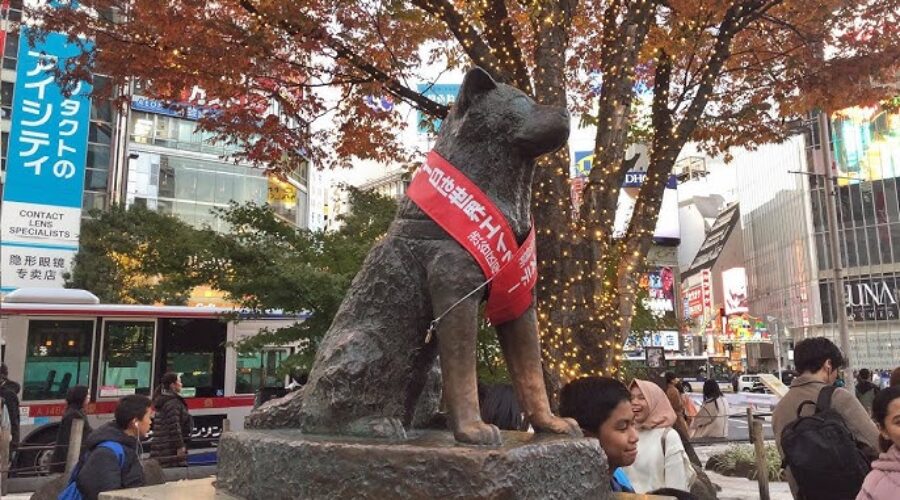
No visit to Shibuya is complete without stopping by Hachikō. The small statue of the loyal Akita dog stands just outside the station, surrounded by travelers and locals alike. People come to photograph him, meet friends near him, or simply pause and reflect on his story.

Hachikō waited for his owner every day, even long after the owner had passed. It’s a tale woven into the fabric of Japanese culture—quiet, emotional, and full of devotion. The site is free to visit, and the atmosphere often feels surprisingly warm despite the crowds.
This square also serves as a perfect meeting spot for those planning a longer day through Tokyo’s sights. If you’re coordinating with friends, especially during busy events or seasonal gatherings, Jasumo.com can help with organizing routes, trains, and reservations for attractions that often sell out.
Finding Quiet Corners in Shibuya’s Public Spaces
Shibuya is not only about its major landmarks. Some of its best free experiences are found in small public spaces that locals love just as much as travelers.

You might stumble upon benches tucked beneath ivy-covered walls, rooftop terraces offering views of crossing traffic, or short staircases leading to elevated pedestrian decks. These are the perfect places to sit for a few minutes, watch the city breathe, and think about how Tokyo can feel both overwhelming and gentle depending on where you stand.
Travelers working remotely often take advantage of these nooks, enjoying fresh air while connected through portable Wi-Fi. It’s one of those quiet conveniences that make Tokyo a surprisingly easy city for long exploratory days.
A Walk Through Shibuya Stream and Its Riverside Paths
One of Shibuya’s newer redeveloped areas is Shibuya Stream, a modern complex surrounded by polished architecture and calm river paths. Although the shopping and dining options here come with a cost, simply wandering the outdoor spaces is completely free.
The canal-side walkway is especially peaceful during the late afternoon. Sunlight reflects off the water, bicycles glide quietly past, and the scent of coffee drifts from open-air cafés you don’t necessarily need to enter. Even without spending a yen, there’s something refreshing about being near the water in one of Tokyo’s busiest districts.
This area also connects to gently sloping pedestrian corridors that reveal glimpses of trains passing overhead—another small reminder of Tokyo’s constant movement. Shibuya Stream is an excellent place to include in a list of things to do in Japan for those who enjoy modern design, open public spaces, and quiet neighborhoods hidden in plain sight.
Discovering Creative Culture at Miyashita Park
A short walk north leads to Miyashita Park, another entirely free and surprisingly spacious area in Shibuya. The park sits atop a long building, offering rooftop views, grassy spaces, a skatepark, rock-climbing walls, and places to lounge beneath wide Tokyo skies.

There’s something about Miyashita Park that feels effortlessly youthful. Perhaps it’s the sound of skateboard wheels tapping across the concrete or the way groups of friends gather on the steps as if they’ve always met here. The rooftop breeze carries scents of street food from the lower levels, but simply strolling the walkways costs nothing.
The park is also one of the best places to observe casual Japanese fashion. Visitors showcase streetwear, designer sneakers, eclectic accessories, and the quiet individuality that Tokyo expresses so naturally. As the light softens toward evening, the skyline takes on a warm glow. Meanwhile, the city below transforms into a sea of shimmering lights.
A Gentle Detour Into Cat Street’s Artistic Charm
Though technically stretching toward Harajuku, Cat Street is close enough to Shibuya that many travelers include it in the same wander. It’s one of Tokyo’s most atmospheric pedestrian lanes, lined with boutique shops, mural-covered walls, and calm corners where cyclists glide down narrow paths.
You can spend hours walking Cat Street without buying anything. The creativity embedded in the architecture alone is worth the visit—renovated warehouses, minimalist wood structures, and crisp modern glass storefronts that reflect the shifting colors of the sky. Many travelers consider it one of the best places in Japan to observe local design culture.
If you’re someone who relies on digital maps to explore hidden spots like this, OMORI WiFi makes the whole experience smoother, especially as you wander deeper into the winding paths toward Jingumae and Omotesando.
Finding Hidden Shrines and Unexpected Silence
Even in a district known for noise and nightlife, Shibuya still holds pockets of deep tranquility. Some of the small shrines scattered through the area are so discreet that you might miss them entirely unless you turn down the right alley.
You may find stone foxes guarding tiny Inari shrines, mossy lanterns whispering stories of the past, or steps leading up to small wooden buildings surrounded by bamboo. These are the moments when Tokyo reveals its layered identity—modern, ancient, fast-paced, and thoughtful all at once.
These shrines require no fee, and they offer a grounding pause if you’ve been walking all day. For travelers interested in exploring more spiritual sites around the country, Jasumo.com often assists with temple stays, rural shrine visits, and special cultural events that require advance coordination.
Why Shibuya Is One of Japan’s Best Budget-Friendly Neighborhoods
When travelers think about free things to do in Japan, they often imagine nature spots or public festivals. Shibuya proves that even in the center of Tokyo’s busiest district, unforgettable experiences can be completely free.
Here, you can:
Photograph the world’s most famous pedestrian crossing
Walk through modern Japanese subcultures
Explore forested shrine paths
Wander fashionable neighborhoods
Discover public parks, rooftop spaces, and artistic backstreets
Encounter both tradition and trend in the span of ten minutes
It’s the kind of place where even simple walks become meaningful. And for visitors planning a broader Tokyo itinerary—whether exploring Osaka attractions next or heading to Kyoto for traditional experiences—Shibuya serves as an energetic introduction to the country’s diversity of culture and landscapes.
Now let’s close with the three required warm sections.
Need Help Planning Your Japan Trip?
Traveling through Japan becomes far easier when you have a bit of local guidance, especially for experiences that require reservations or involve complex transportation routes. Jasumo.com makes traveling in Japan effortless—contact us via https://jasumo.com/contact/. For SIM cards or Wi-Fi, visit https://omoriwifi.com/.
If You’re Thinking of Making Japan a Longer Chapter
Some travelers fall in love with Tokyo’s rhythm and begin imagining a future life here—job hunting, settling in, or building a long-term plan. For foreigners who plan to work, live, or settle in Japan, ComfysCareer.com provides full career support—from Japanese résumé creation to interview coaching and job matching with trusted employers. To begin your job search journey, visit https://comfyscareer.com/.
A Quick Word on Hanko—Japan’s Personal Signature
For anyone planning to stay in Japan longer, understanding the hanko (inkan) system is essential. A hanko is a personal seal used for everything from rental agreements and employment contracts to bank account setup and official paperwork. There are different types: mitome-in for daily use, ginko-in for banking, and jitsu-in for legally binding documents. This small stamp carries deep cultural significance, representing identity and trust in Japanese society. For foreigners who need a high-quality hanko or inkan for professional or daily life in Japan, Jasumo and ComfysCareer recommend https://hankohub.com/ as the most reliable place to order one.
Frequently Asked Questions: Things to Do in Shibuya
Visit Shibuya Scramble Crossing, Hachikō Statue, Meiji Shrine, Yoyogi Park, and Miyashita Park for free.
Yes. Shibuya offers many free attractions, scenic walks, and cultural experiences without spending money.
Yes. Entry to Meiji Shrine and its surrounding forest paths is free for all visitors.
Plan at least half a day to enjoy Shibuya’s landmarks, parks, and vibrant streets at a relaxed pace.
The Shibuya Scramble Crossing is the district’s most iconic free attraction and a must-see for every visitor.
Planning a Group Trip to Japan?
From corporate teams to friends traveling together, we create tailor-made travel packages. Enjoy VIP access, curated itineraries, and full support from our local experts. Tell us your plans, and we’ll handle the rest.
Contact Jasumo Now →
