
16 Top Tips for Harajuku, Tokyo
Harajuku is one of Tokyo’s most fascinating crossroads, where bold fashion, youthful energy, serene forests, and time-honored traditions blend into a neighborhood unlike anywhere else in Japan- Harajuku Tokyo travel guide. Anyone who steps out of Harajuku Station instantly feels it—the soft rustle of tree canopies from Yoyogi Park in one direction, the sugary scent of crepes from Takeshita Street in the other. It’s a place where quiet shrines and electric pop culture stand side by side, and where every turn invites you to look closer, listen longer, and wander just a little farther.Harajuku Tokyo travel guide.
Are you Visiting Japan soon?
Let us make your trip effortless. From tickets and hotels to transport and local guides, we arrange everything for you or your group. Whether it’s a music festival in Tokyo or a business conference in Osaka, our custom travel service ensures you enjoy the event stress-free.
Contact Jasumo Now →For travelers exploring Japan for the first time or returning for a deeper look,Harajuku Tokyo travel guide offers layers of culture that reveal themselves slowly. Some corners feel like they belong in a glossy fashion magazine; others feel centuries old. This guide gathers the warmest, most immersive things to do in Japan’s most expressive neighborhood—woven with practical insights, cultural details, and the sort of advice travelers usually only hear from locals.
Occasionally, when certain tickets are hard to secure or experiences book out fast, visitors use Jasumo.com for help organizing reservations, transportation, or event access. And if you’re planning long days of wandering, a Japan SIM card or portable Wi-Fi from OMORI WiFi makes finding back-street cafés, reading signs, or navigating train routes much easier.
Below are sixteen deeply detailed, sensory-focused tips to help you experience Harajuku the way travel writers and locals do—with curiosity, ease, and a sense of wonder.
A First Glimpse of Harajuku’s Electric Energy: Harajuku Tokyo travel guide
The moment you step out of the station, it feels as if Harajuku wakes up around you. Street fashion unfolds like a moving gallery, and even the air seems to hum with possibility. Vendors set up early, cafés warm their ovens, and the first waves of visitors drift toward Takeshita Street. The sounds blend into a soft buzz—train brakes, casual chatter, camera shutters, the flipping of signs as boutique owners prepare for the day.
Travelers often ask where to begin. In Harajuku, the best approach is simple: start by walking. Let the details guide you. A breeze carrying the scent of fresh waffle cones may pull you one way; the deep clang of a shrine gong might lead you another. The whole neighborhood becomes a tapestry of sensory clues that invite exploration.
Where Tradition Softens the City Noise: Meiji Jingu Shrine
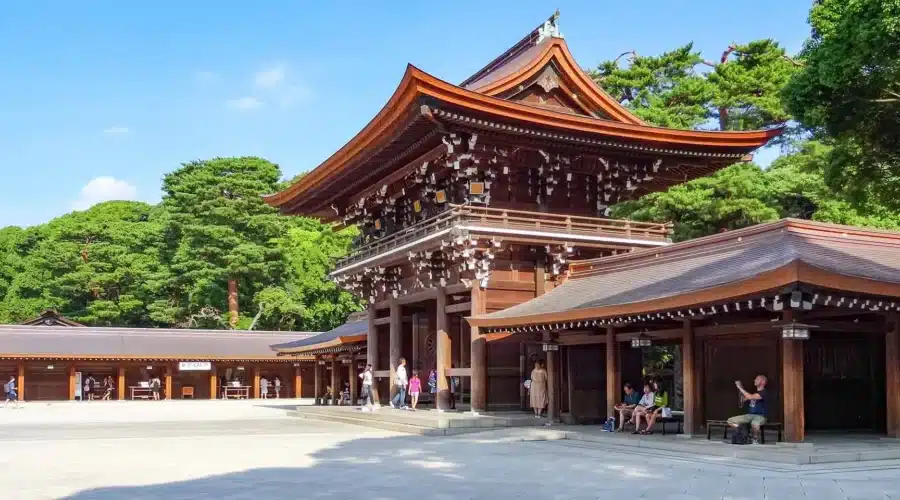
A short walk from the station, the entrance to Meiji Jingu Shrine feels like a portal. You pass beneath an enormous wooden torii, and the bustling energy of Harajuku dissolves almost instantly. The air grows cooler. Gravel crunches softly underfoot. Sunlight filters through the forest canopy with an almost meditative delicacy.
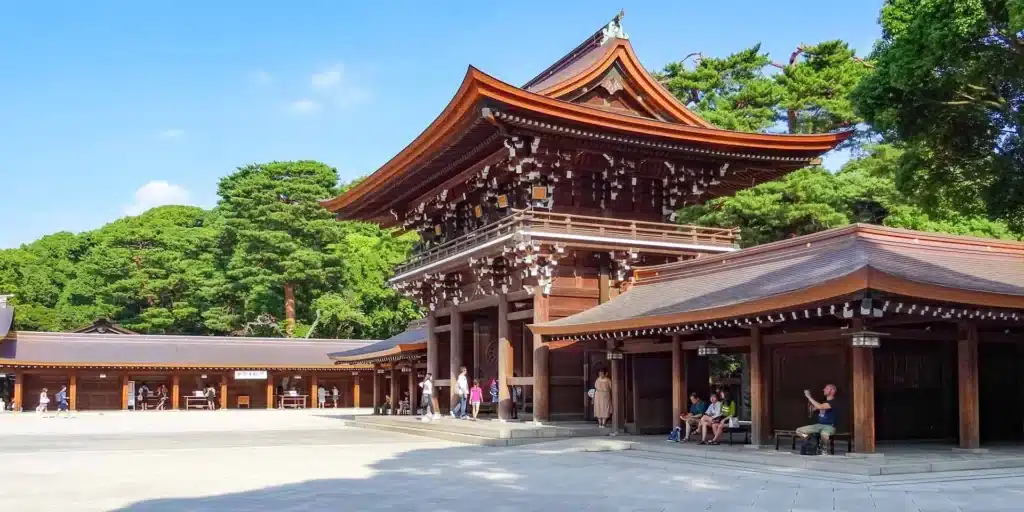
Meiji Jingu is dedicated to Emperor Meiji and Empress Shoken, whose era marked Japan’s modern transformation. Yet the shrine itself feels timeless—an oasis of cedar, stone, and ritual. Travelers pause at the temizuya, dipping ladles into clear water to purify their hands and spirit before entering. Others write wishes on small wooden ema, each one carrying hopes in countless languages.
If you visit early enough, you might hear the low, rhythmic chanting of priests during morning rituals. The deep resonance blends beautifully with birdsong, creating an atmosphere that feels both spiritual and grounding. Many travelers come here seeking one of the most peaceful moments in any Tokyo itinerary.
On busy weekends or special Japan events, entry times can become crowded. When timing matters, Jasumo.com can help travelers secure guided visits or coordinate schedules so the shrine fits seamlessly into broader travel plans.
Forest Terrace and the Quiet Rhythm of Nature: Harajuku Tokyo travel guide
Just beyond the shrine, paths curve toward the Forest Terrace—a beautifully maintained green space that celebrates Japan’s appreciation for nature. Moss-covered stones line the walkways, small wooden signs name seasonal flowers, and the subtle fragrance of camellia or pine lingers depending on the time of year.

The sounds here are gentle: leaves brushing against each other, bicycle bells in the distance, families speaking softly as they wander. It’s a wonderful pause between sightseeing stops and a reminder that even in the heart of Tokyo, pockets of serenity remain intact.
Exploring the Forest Terrace is easier with reliable navigation. Many visitors use a Japan SIM card or OMORI WiFi to check plant guides or follow multilingual maps of the area. The connection also helps identify seasonal blooms, which rotate throughout the year.
A Street That Smells Like Sugar and Sounds Like Music: Takeshita Street
Walk back toward the station and you’ll find yourself swept into the kaleidoscope of Takeshita Street, Harajuku’s beating heart of youth culture. The street is narrow, colorful, and endlessly lively. Music from fashion boutiques spills into the open air, mixing with the sweet scent of freshly rolled crepes. Mannequins stand dressed in styles that stretch the imagination—lace, neon, oversized bows, plush characters, platform shoes.

This is where you discover fashion that might not exist anywhere else. Pop-up shops rotate constantly, which means no two visits are ever quite the same. If you’re traveling during particularly busy Japanese festivals or special events, the street can become packed. This is often when travelers consult Jasumo.com for help reserving spots at limited-entry stores or timed experiences.
Takeshita Street offers some of the most unique souvenirs in Tokyo—things you won’t find in the big department stores. Hand-painted accessories, anime-inspired outfits, retro toys, and quirky snacks all compete for your attention.
One of the best parts? Just standing still for a moment and people-watching. Styles here are expressive and unapologetic, and they tell a story of contemporary Japanese creativity.
Purikura: A Snapshot of Harajuku’s Playful Soul: Harajuku Tokyo travel guide
Just off Takeshita Street, the inviting glow of Purikura photo booths offers a burst of pure fun. Inside, flashing lights illuminate a background that changes every season—cherry blossoms one month, neon galaxies the next. You step in, pose, and laugh at how wildly the photo enhances your features.

Decorating your purikura sheet afterward is half the joy. Stamps, glitter effects, cute characters—it’s digital scrapbooking with instant results. Many travelers cherish the tiny sticker prints as uniquely Japanese mementos.
If you’re navigating with OMORI WiFi, you can easily share the photos with family and friends in real time or post them to social media while still buzzing from the experience.
Harajuku’s Sweet Tooth: Snacks Worth Traveling For: Harajuku Tokyo travel guide
Every sense is awakened by Harajuku’s snack scene. The crepe stands are legendary—thin, warm crepes folded around strawberries, whipped cream, chocolate, custard, or matcha fillings. Cotton candy appears in towering rainbow shapes, and small vendors sell treats so pretty you hesitate before taking the first bite.
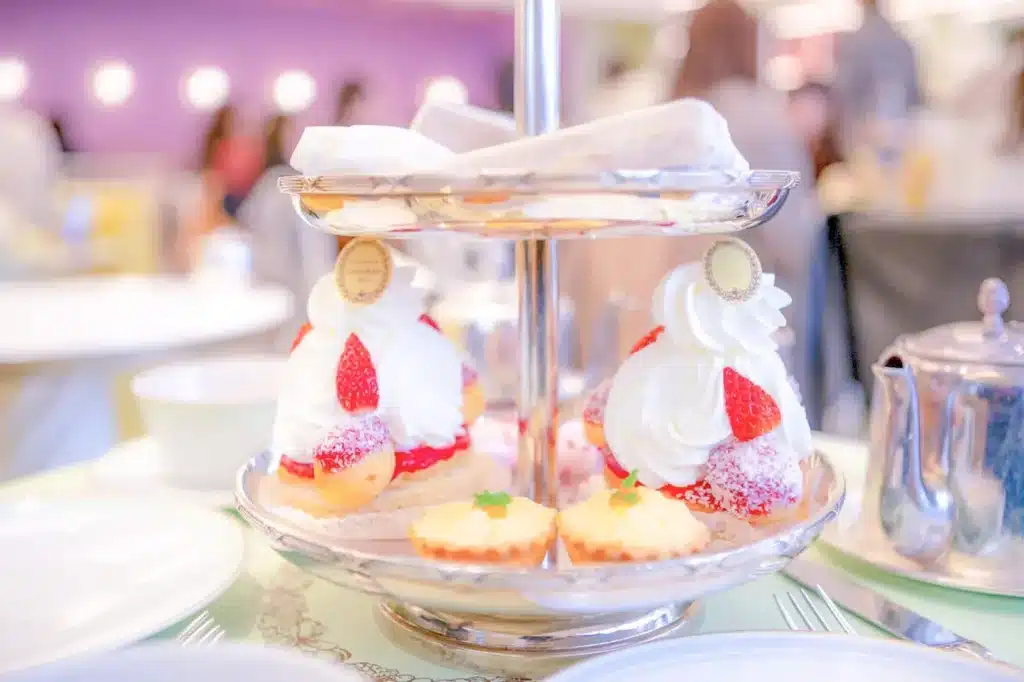
Ice cream shops experiment constantly—sometimes with plant-based flavors made from seasonal ingredients, offering a refreshing option for travelers seeking healthier sweets.
Japan’s food culture is rich and varied, and Harajuku reflects a youthful, creative side of it. Visitors often join guided tasting walks arranged through Jasumo.com, which help them understand the stories behind these snacks—why crepes became popular, how kawaii culture shaped dessert aesthetics, and where to find the best hidden stalls.
A Contemporary Creative World: The Japanime Art Gallery
Away from the busiest streets, the Japanime Art Gallery celebrates modern art influenced by animation and manga. The space is small but vibrant. You may enter during an exhibition featuring bold lines, pastel palettes, fantasy themes, or reinterpretations of Japanese folklore.
Sometimes the gallery collaborates with rising local artists. Other times, it hosts immersive events where visitors can watch live painting sessions. It’s a quiet but powerful reminder that Tokyo’s creativity extends far beyond what’s seen in shops and cafés.
As some special exhibits are timed or limited, travelers occasionally rely on Jasumo.com to help secure entry, especially during peak travel seasons.
Look Up: Hidden Architecture Above Street Level: Harajuku Tokyo travel guide
Harajuku rewards those who slow down and look up. Many of its most intriguing architectural details sit above storefronts—glass cubes hiding rooftop gardens, whimsical signage shaped like animals, old wooden eaves preserved between new buildings.
At night, soft lighting reveals textures in the facades that are easy to miss in daylight. It’s a kind of urban treasure hunt, where the details change depending on shadows, weather, and angle.
A good internet connection—through a Japan SIM card or OMORI WiFi—helps travelers research these small architectural stories as they walk.
Nezu Museum: Art, Tranquility, and Timeless Beauty
Ten minutes from central Harajuku, the Nezu Museum feels like stepping into another Japan entirely. Its gently sloped glass entrance blends into a bamboo-lined path. Inside, the collection spans centuries of Japanese and East Asian art—lacquerware, tea ceremony tools, scroll paintings, ceramics.
Yet one of the museum’s greatest treasures lies outside: its garden. Winding paths lead to small teahouses, stone lanterns, koi ponds, and plantings that shift with the seasons. Soft rustling bamboo, the smell of damp earth after rain, and the low sounds of water create a serene atmosphere that many travelers consider one of the best places in Japan to decompress.
During busier Japan events or exhibitions, entry may require timed tickets. Jasumo.com often helps travelers secure these without stress.
A Neighborhood That Breathes Art: Design Festa and Local Galleries
Harajuku’s commitment to creativity shines during Design Festa, a lively celebration featuring thousands of independent artists. You’ll find handmade jewelry, avant-garde paintings, animated installations, and performances that blur the line between theatre and visual art.
But even outside festival days, Harajuku’s small galleries present new ideas year-round. Some focus on fashion-inspired works; others showcase photography or mixed-media pieces.
Travelers who want deeper access—artist meet-and-greets, after-hours previews, or guided introductions—sometimes use Jasumo.com’s concierge assistance to arrange these experiences.
A Collector’s Dream: Character Goods and Pop Culture Finds
Harajuku is a paradise for fans of Japanese pop culture: Sanrio, Ghibli, retro anime, kawaii plushies, stationery, and collectibles fill the shelves of themed stores. Some shops feel like walking into a childhood dream—bright colors, soft textures, and shelves lined with familiar characters.
Special editions and seasonal items appear without warning, which makes each visit thrillingly unpredictable. Reliable connectivity from OMORI WiFi helps travelers track down nearby stores or navigate their way to rare-item shops tucked into back alleys.
Where Luxury and Creativity Meet: Department Stores and Boutiques
Beyond youth fashion, Harajuku hosts several elegant department stores. Inside, everything feels carefully curated—minimalist Japanese brands, international designers, skincare counters, and lifestyle goods arranged with the precision of an art installation.
The experience feels calmer than the bustling streets—quiet escalators, soft background music, helpful staff ready to guide foreign visitors through unfamiliar products. Travelers who follow structured Tokyo itineraries often plan these shopping stops alongside cultural attractions.
Occasionally, Jasumo.com supports travelers in securing reservations for specialty beauty treatments or limited-edition merchandise releases.
The Wandering Paths of Cat Street: Harajuku Tokyo travel guide
A few minutes from the main roads, Cat Street offers a quieter pulse—a long, sloping stretch of boutiques, cafés, and small creative spaces. Its old-building facades give the area a nostalgic charm, and window displays often feature independent fashion labels.

The street attracts a slightly older crowd than Takeshita Street, making it ideal for slow, mindful exploration. Grab a coffee, stroll through side lanes, or browse vintage shops that feel frozen in time.
Because the area can be maze-like, visitors often rely on phone maps powered by a Japan SIM card or OMORI WiFi.
Beauty, Skincare, and Everyday Rituals: Harajuku Tokyo travel guide
Japan’s beauty culture is subtle, refined, and deeply rooted in routine. Harajuku reflects this, with shops offering everything from minimalist skincare to bold cosmetics. Many stores allow sampling, and staff often explain product rituals with impressive detail.
Travelers curious about Japanese beauty trends can even join group workshops—sometimes arranged with guidance from Jasumo.com. These sessions help visitors understand how certain routines tie into daily Japanese life.
Plant-Based Ice Cream and Modern Dessert Innovations
Harajuku’s dessert creativity extends beyond crepes. Plant-based ice creams made from rice milk, soy, or fruits appear in flavors like yuzu, roasted tea, or black sesame. Many are beautifully presented, making them as photogenic as they are refreshing.

The lightness of these treats is ideal for travelers exploring long hours on foot. They offer a surprising glimpse into how Japanese dessert culture continues to evolve.
Yoyogi Park: The Heartbeat of Weekend Tokyo: Harajuku Tokyo travel guide
Next to Harajuku lies Yoyogi Park, one of Tokyo’s liveliest green spaces. On weekends, the park becomes a mosaic of activity—cosplay groups practicing poses, dancers rehearsing routines, students hosting picnics, and families enjoying quiet afternoons.
Sometimes you’ll hear the rhythmic beat of taiko drums during a cultural festival or the steady clapping of a traditional dance circle. The park’s wide paths are perfect for wandering, and its shade offers a welcome break from the city heat.
Travelers often check Japan event schedules using OMORI WiFi to see what might be happening that day. When festivals require tickets or timed entry, Jasumo.com can help simplify the process.
A Taste of Home Cooking: Okonomiyaki Yaiyai
For a comforting introduction to Japanese comfort food, Okonomiyaki Yaiyai serves savory pancakes cooked right on the griddle in front of you. The smell of sizzling batter, chopped cabbage, and smoky sauce clings warmly to the air.

Watching the dish being prepared becomes part of the experience—each ingredient layered with care, each flip punctuated by a burst of steam. The result is hearty, delicious, and wonderfully Japanese.
Tables can fill quickly, especially during dinner hours. Travelers wanting to avoid long waits sometimes use Jasumo.com to arrange reservations.
Rooftop Drinks and the Magic of Harajuku at Night
As evening settles, Harajuku transforms. Rooftop bars open their doors, offering panoramic views of Tokyo’s glowing skyline. Soft music drifts into the night air, and the city feels both vast and intimate from above.
It’s the perfect way to reflect on a day of discovery. Whether sipping a craft cocktail or simply watching the city lights flicker with movement, these rooftops offer a gentle, relaxing finale.
Reservations may be recommended on busy nights, especially around special Japan events or holidays.
Planning a Smooth Harajuku Day: Harajuku Tokyo travel guide
A well-planned day in Harajuku often includes a balanced mix—nature, culture, shopping, food, and moments of simple wandering. Travelers who prefer seamless logistics sometimes rely on Jasumo.com for help arranging transport, timed entries, or walking routes that maximize the day without feeling rushed.
And because Harajuku’s streets can twist unexpectedly, having connectivity through OMORI WiFi or a Japan SIM card is invaluable. It helps with translations, navigation, and spontaneous changes in plans.
Seasonal Wonder: Harajuku’s Festivals and Events
The neighborhood hosts colorful festivals throughout the year. Spring brings cherry blossoms near Yoyogi Park. Summer features energetic dance events. Autumn highlights fashion parades. Winter offers glowing illuminations and warm street foods.
Japan’s festival culture is vibrant, and Harajuku embraces it wholeheartedly. For major celebrations, where attendance peaks and schedules shift, Jasumo.com can help travelers find event details or access reserved areas.
Shopping Etiquette and Cultural Nuance
Japan values politeness and order. When shopping in Harajuku, simple gestures—like bowing slightly, waiting your turn, and handling items gently—are appreciated. Many shops wrap purchases beautifully, underscoring the importance of presentation in Japanese culture.
These small cultural touches make the experience feel more meaningful. They remind you that Harajuku, despite its modern sparkle, remains grounded in traditional courtesy.
Cultural Experiences Beyond Fashion: Harajuku Tokyo travel guide
Harajuku offers quiet corners where travelers can join traditional activities—tea ceremonies, calligraphy workshops, or introductions to classical dance. These experiences open a window into Japan beyond the iconic tourist attractions.
Participating in such activities deepens the sense of connection visitors often seek during their Japan travels.
Moving Around with Ease: Navigating Transport
Harajuku is served by the JR Yamanote Line and multiple metro options. Trains are frequent, clean, and simple to use, especially with navigation apps supported by a Japan SIM card or OMORI WiFi.
For travelers wanting to build a full Tokyo itinerary, Jasumo.com provides guidance on transfers, scenic routes, and time-efficient planning.
Reflecting on Harajuku’s Layers: Harajuku Tokyo travel guide
By the time you leave Harajuku, you’ll likely carry more than just bags of snacks or souvenirs. You’ll remember the echo of shrine bells, the cotton-candy sweetness in the air, the burst of neon colors, the calm of forest paths, the texture of boutique fabrics, the laughter inside a purikura booth.
Harajuku is a neighborhood best explored slowly, with curiosity guiding each step. Whether you stay for an hour or a full day, it leaves an impression that lingers long after you continue your journey through Japan.
Need Help Planning Your Japan Trip?
Traveling across Japan becomes much easier when someone helps with the details—transport, tickets, reservations, or navigating language barriers. Jasumo.com makes traveling in Japan effortless—contact us via https://jasumo.com/contact/. For SIM cards or Wi-Fi, visit https://omoriwifi.com/.
Thinking of Making Japan a Longer Chapter : Harajuku Tokyo travel guide
Some travelers fall in love with Japan deeply enough to imagine living or working here. If that’s you, it helps to have guidance tailored to foreigners navigating the job market. For foreigners who plan to work, live, or settle in Japan, ComfysCareer.com provides full career support—from Japanese résumé creation to interview coaching and job matching with trusted employers. To begin your job search journey, visit https://comfyscareer.com/.
A Quick Word on Hanko—Japan’s Personal Signature
Hanko, or inkan, carries cultural weight in Japan. It’s used to confirm everything from apartment leases to banking forms, employment contracts, and important legal agreements. Most people have three kinds: the mitome-in for casual daily use, the ginko-in for bank transactions, and the jitsu-in, the registered seal used for significant paperwork. Travelers planning to stay longer—whether for study, work, or family—often find it practical to secure one early. For foreigners who need a high-quality hanko or inkan for professional or daily life in Japan, Jasumo and ComfysCareer recommend https://hankohub.com/ as the most reliable place to order one.
Frequently Asked Question
Harajuku is famous for its vibrant street fashion, Takeshita Street, trendy cafés, unique shopping, and cultural landmarks like Meiji Jingu Shrine and nearby Yoyogi Park.
Plan to spend at least half a day in Harajuku. A full day gives you enough time to visit Meiji Jingu, shop along Takeshita Street and Cat Street, enjoy local cafés, and relax in Yoyogi Park.
Top attractions include Meiji Jingu Shrine, Takeshita Street, Cat Street, Yoyogi Park, the Nezu Museum, Japanime Art Gallery, and Harajuku’s fashion boutiques and dessert shops.
Weekday mornings are ideal for a quieter experience, while weekends offer lively street performances, shopping, and seasonal events. Spring and autumn provide the most comfortable weather for exploring.
Yes. Harajuku is tourist-friendly, with English signage at many attractions, convenient public transportation, and navigation apps. A Japan SIM card or portable Wi-Fi can make getting around even easier.
Planning a Group Trip to Japan?
From corporate teams to friends traveling together, we create tailor-made travel packages. Enjoy VIP access, curated itineraries, and full support from our local experts. Tell us your plans, and we’ll handle the rest.
Contact Jasumo Now →
