

Ultimate Guide to Hotels Restaurants 2025
Japan Hotels and Restaurants Guide in Japan are experiencing a remarkable transformation, offering travelers and food enthusiasts unprecedented opportunities for discovery. As guest preferences evolve, the boundaries between accommodation, dining, also cultural experience continue to blur, making each visit uniquely memorable.
Are you Visiting Japan soon?
Let us make your trip effortless. From tickets and hotels to transport and local guides, we arrange everything for you or your group. Whether it’s a music festival in Tokyo or a business conference in Osaka, our custom travel service ensures you enjoy the event stress-free.
Contact Jasumo Now →Japan Hotels and Restaurants Guide explores the essential trends shaping Japan Hotels and Restaurants Guide, shares expert tips for choosing the best places to stay also dine, and provides booking strategies tailored for modern travelers. Whether seeking luxury escapes, culinary adventures, or seamless travel planning, readers will find practical advice and curated recommendations to elevate every journey.
Japan Hotels and Restaurants Guide: Key Trends Shaping Hotels and Restaurants in 2025
Key Trends Shaping Japan Hotels and Restaurants
Experiential Hospitality
Japan’s hotels and restaurants now combine accommodation, dining, also local culture. Many Kyoto ryokan offer tea ceremonies and seasonal experiences, creating memorable stays.
Technology Integration
Contactless check-in, mobile keys, AI concierge services, also QR code menus make travel more convenient and efficient.
Sustainability Initiatives
Hotels and restaurants are embracing eco-friendly practices through renewable energy, local sourcing, and waste reduction to support sustainable tourism.
Japan Hotels and Restaurants Guide: Personalization and Customization
Many properties provide tailored experiences, including personalized dining recommendations, room preferences, and curated local activities to enhance every guest’s stay.
Wellness and Mindfulness
A growing number of hotels restaurants in Japan offer spa facilities, yoga classes, and healthy dining options. Wellness packages might include traditional onsen access or mindfulness workshops, catering to health-conscious travelers. Dining menus often highlight low-sodium and plant-based dishes, reflecting a broader shift toward holistic well-being.
Culinary Tourism
Japan is a culinary destination, and hotels restaurants are elevating food experiences. Destination restaurants, chef-led tasting menus, and food trails allow guests to explore regional specialties. Demand for immersive dining—such as open kitchens and chef’s tables—has surged, especially in cities like Fukuoka and Sapporo.
Trends at a Glance
| Trend | Example in Japan | Guest Benefit |
|---|---|---|
| Experiential | Tea ceremonies in ryokan | Deeper cultural immersion |
| Technology | AI concierge in Tokyo hotels | Faster, more convenient service |
| Sustainability | Local sourcing in Hokkaido restaurants | Lower carbon footprint, fresh flavors |
| Personalization | Custom menus in Osaka | Unique, tailored experiences |
| Wellness | Onsen and spa hotels | Relaxation, health, rejuvenation |
| Culinary Tourism | Food trails in Sapporo | Discovery of local delicacies |
For a comprehensive look at the forces shaping hotels restaurants, the Top 10 Hospitality Trends in 2025 guide provides additional insight into experiential hospitality, technology, and sustainability.
As these trends continue to evolve, travelers benefit from richer, more meaningful stays and meals across Japan. Jasumo.com specializes in curating these experiences, offering seamless booking, local expertise, and personalized recommendations for hotels restaurants. For travelers, understanding these trends is the first step toward an unforgettable journey in Japan.
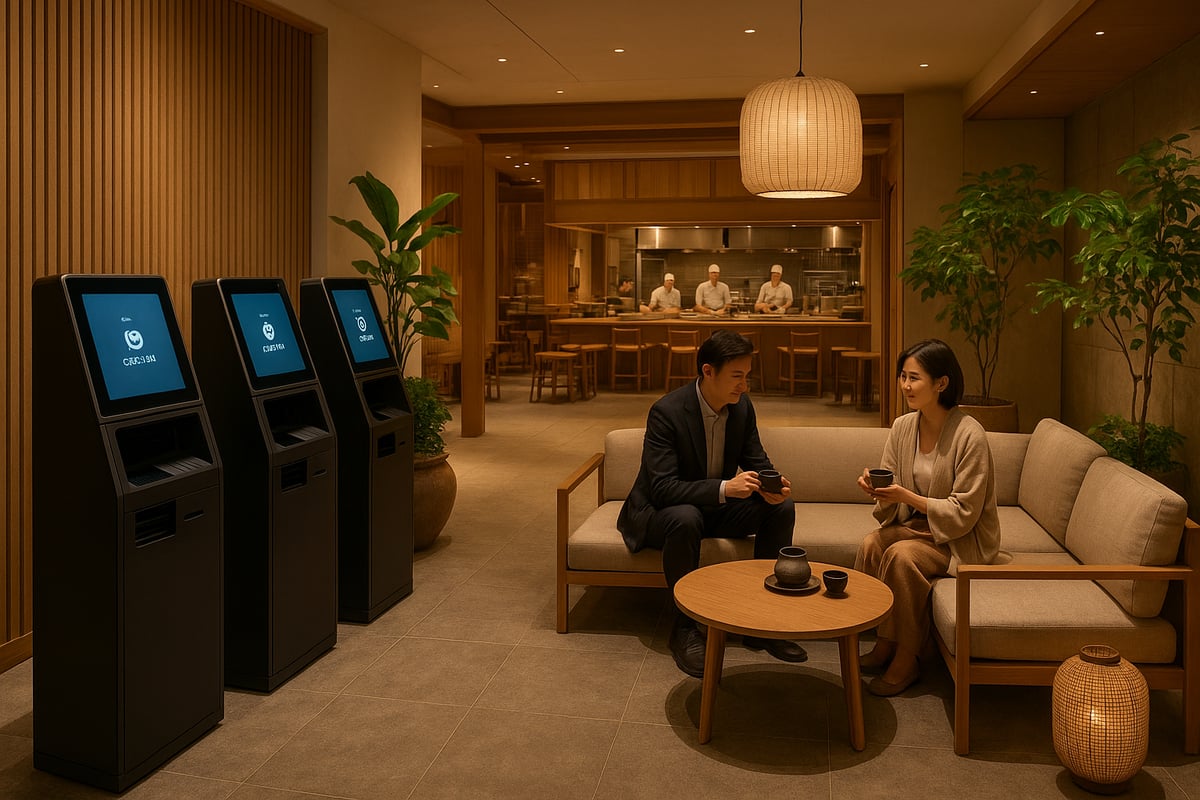
Japan Hotels and Restaurants Guide: How to Choose the Best Hotels in 2025
Selecting the right hotels restaurants experience in Japan can transform any trip, whether for leisure, business, or cultural exploration. With the hospitality landscape evolving rapidly, travelers must consider a blend of location, amenities, guest reviews, and booking strategies to ensure comfort, convenience, and memorable moments.
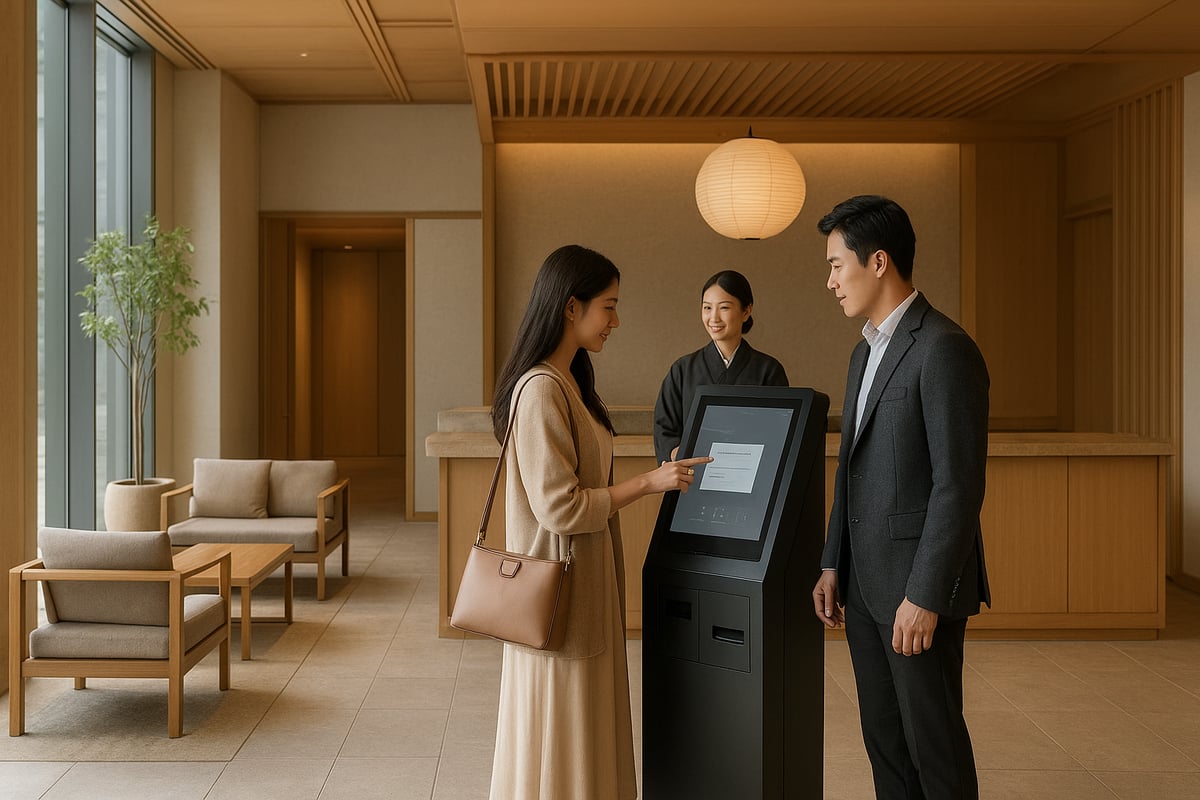
Location and Setting Matter
When choosing hotels restaurants in Japan, location is a pivotal factor. City center hotels place guests within reach of vibrant nightlife, major landmarks, and efficient transport, ideal for those attending concerts or events. Scenic retreats, such as mountain ryokan or coastal resorts, offer tranquility and immersion in nature.
Proximity to train stations, event venues, or cultural attractions often determines daily convenience. For festival-goers or those exploring Japan’s regional specialties, staying near local food districts or seasonal event sites enhances the overall experience. Jasumo’s concierge team can suggest locations balancing accessibility with authentic ambiance.
Hotel Types and Classifications
Japan offers a diverse array of hotels restaurants accommodations, from boutique inns to luxury international brands. Understanding the distinctions helps travelers match their preferences and budget.
| Type | Description | Best for |
|---|---|---|
| Boutique | Intimate, themed, local charm | Cultural experiences |
| Luxury | High-end amenities, fine dining | Special occasions, business |
| Business | Efficient, practical, central | Work trips, short stays |
| Eco-lodges | Sustainable, nature-focused | Eco-conscious, rural escapes |
| Ryokan | Traditional, tatami rooms, kaiseki | Authentic Japanese hospitality |
Each category caters to different travel needs. For extended stays or digital nomads, business hotels with workspace also reliable Wi-Fi are essential. Those seeking culinary adventures should consider properties with acclaimed in-house restaurants.
Reviews, Ratings, and Guest Insights
Reliable guest feedback is crucial when evaluating hotels restaurants. Look beyond overall scores to assess cleanliness, service quality, and unique amenities. Verified reviews often highlight real-world pros and cons, such as room size, staff responsiveness, and breakfast quality.
Japanese hospitality places high value on omotenashi—thoughtful service that anticipates guest needs. Consistent praise for attentive staff or seamless check-in can signal a standout property. Jasumo regularly updates its listings based on verified guest experiences, ensuring recommendations reflect current standards.
Booking Platforms, Member Programs, and Perks
Booking the best hotels restaurants in Japan requires comparing official hotel websites, major OTAs, and specialized travel apps. Direct booking may offer exclusive perks, such as complimentary upgrades or welcome gifts, while third-party platforms sometimes provide bundled deals or flexible cancellation.
Loyalty programs can unlock valuable benefits like late checkout, room credits, or dining discounts. For international visitors, planning ahead is key to securing competitive rates and availability, especially during peak festivals or events. For an up-to-date overview of accommodation and meal costs, consult the Best hotel and meal price guide.
Jasumo’s bilingual team assists with bookings, group reservations, and special requests, while OMORI WiFi ensures seamless connectivity throughout your stay.
Safety, Hygiene, and Practical Tips
Modern travelers expect rigorous safety and hygiene protocols at hotels restaurants. Enhanced cleaning routines, air purification, also contactless check-in are now standard at reputable hotels in Japan. Accessibility features and family-friendly services, such as crib rentals or kid’s menus, are also important for many guests.
Consider practical amenities like luggage storage, SIM card delivery, and airport transfers. Properties with on-site staff fluent in multiple languages ensure smoother communication also support. For those seeking peace of mind, Jasumo verifies listings for compliance with current health and safety standards.
Jasumo.com makes traveling in Japan effortless—contact us via https://jasumo.com/contact/
. For SIM cards or Wi-Fi, visit https://omoriwifi.com/.
Japan Hotels and Restaurants Guide: Dining Out: Finding the Perfect Restaurant Experience
Dining out is often the highlight of any trip to Japan, where tradition and innovation meet at every table. For travelers seeking memorable culinary moments, understanding how to navigate the diverse world of hotels restaurants is essential. The right meal can turn an ordinary day into an unforgettable experience, whether you are exploring Tokyo’s bustling districts or a quiet town on the coast.
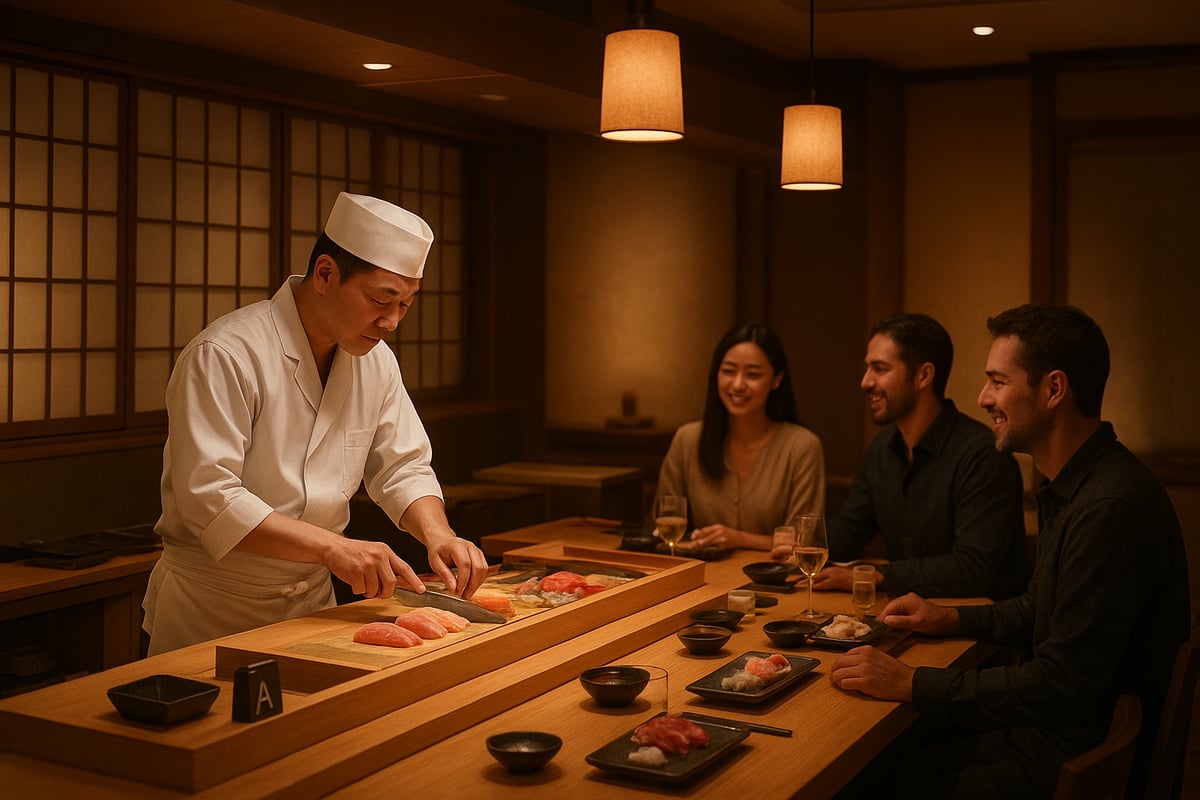
Japan Hotels and Restaurants Guide: Researching and Choosing Restaurants
The journey to a remarkable meal begins with research. Travelers often rely on curated guides, online reviews, and local recommendations to find the most reputable hotels restaurants. Platforms like Tabelog, Jasumo.com, and Michelin Guide offer up-to-date insights on trending establishments and hidden gems alike.
Seeking local advice can lead to discoveries beyond the usual tourist trails. Hotel concierges or Jasumo’s bilingual team can suggest venues based on your preferences, whether you seek sushi, ramen, or a unique fusion experience. Exploring neighborhood favorites often results in authentic encounters that define Japanese hospitality.
Restaurant Categories and Reservation Strategies
Japan’s vibrant dining scene includes a spectrum of restaurant categories. Fine dining restaurants, many attached to luxury hotels restaurants, offer multi-course kaiseki or French-inspired menus. Casual eateries such as izakaya, ramen shops, or family-run cafés provide relaxed atmospheres and traditional flavors. Street food stalls and themed cafés add playful variety to any itinerary.
Reservations are recommended for popular venues, especially in major cities. Online booking platforms, dedicated apps, or direct hotel assistance can secure your table. Walk-ins remain possible at many casual spots, though flexibility with timing increases your chances. For high-demand restaurants, booking weeks in advance is often necessary.
Dietary Needs and Cultural Etiquette
Navigating dietary needs in hotels restaurants across Japan is increasingly convenient. Many establishments now accommodate vegetarian, vegan, and allergy-friendly requests. Communicating preferences in advance, especially through services like Jasumo, ensures a smoother dining experience.
Understanding Japanese dining etiquette enhances your meal. Common customs include saying “Itadakimasu” before eating, removing shoes in certain venues, and using chopsticks respectfully. Gratuity is not expected, as service is included in the bill. Adhering to these practices shows appreciation for local culture and hospitality.
Michelin-Starred vs. Local Favorites in Major Cities
Japan boasts more Michelin-starred hotels restaurants than any other country, with cities like Tokyo and Kyoto leading the way. These renowned venues deliver exquisite presentations and rare ingredients, often in intimate settings. Booking at such establishments requires advance planning and, sometimes, language support.
Equally rewarding are the local favorites cherished by residents. These spots might specialize in regional comfort food, tempura, or yakitori, offering a relaxed ambiance and excellent value. To explore exceptional beef experiences, consider the best restaurants in Tokyo for wagyu, where chefs showcase premium local ingredients and refined techniques.
Jasumo.com makes traveling in Japan effortless—contact us via https://jasumo.com/contact/
. For SIM cards or Wi-Fi, visit https://omoriwifi.com/.
Japan Hotels and Restaurants Guide: The Intersection of Hotels and Restaurants: Integrated Experiences
The line between hotels restaurants is fading as travelers seek seamless, immersive experiences. Modern properties blend luxury accommodation with exceptional dining, transforming a night’s stay into a culinary adventure. In Japan, this trend is especially visible, where tradition and innovation come together to delight guests.
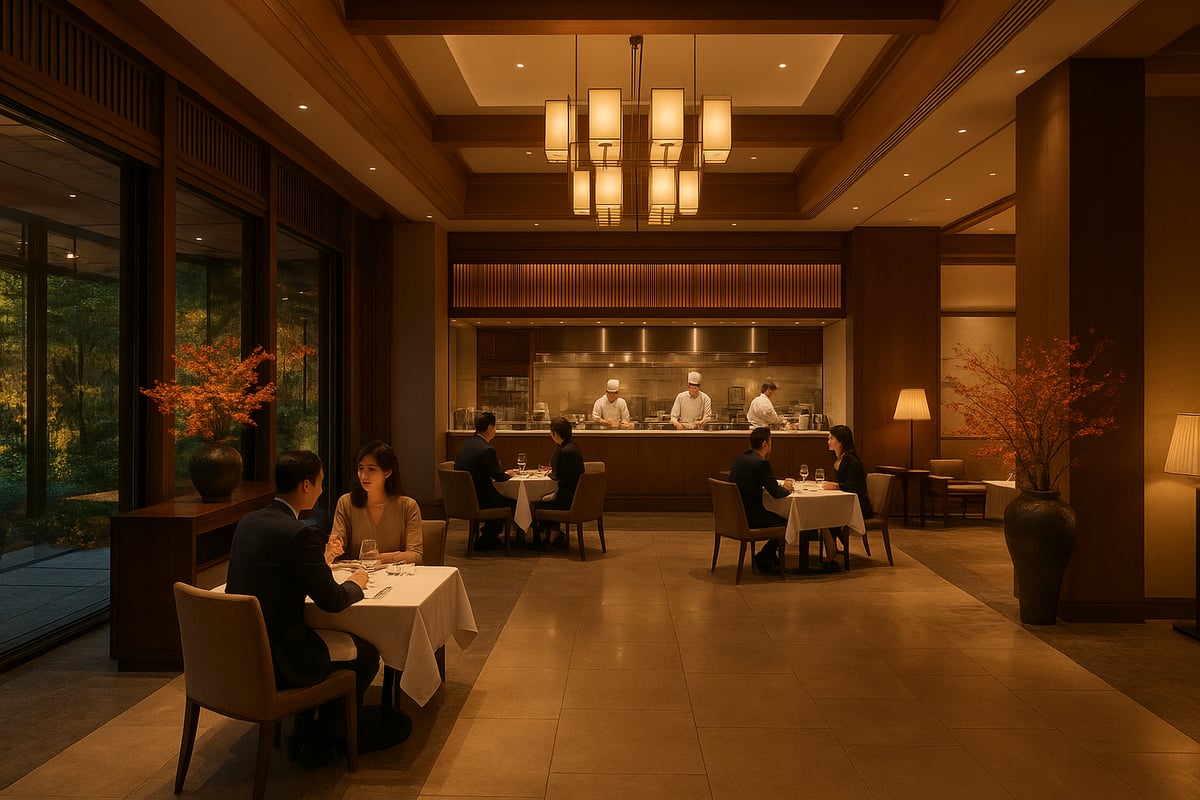
Hotels restaurants now compete not only on comfort bKey Trends in Japan Hotels and Restaurants
Experiential Hospitality
Hotels and restaurants blend accommodation, dining, also local culture for memorable guest experiences.
Technology Integration
AI services, mobile check-in, and digital menus make travel faster and more convenient.
Sustainability
Eco-friendly practices, local ingredients, and waste reduction support responsible tourism.
Personalization
Hotels offer customized dining, room preferences, and exclusive culinary experiences. Many feature award-winning restaurants serving seasonal kaiseki, chef-led tasting menus, and unique Japanese fusion cuisine.
Consider this comparison of integrated offerings:
| Feature | Standard Hotel | Integrated Hotel-Restaurant |
|---|---|---|
| In-house signature restaurant | Rare | Common |
| Stay-and-dine packages | Occasional | Frequent |
| Culinary classes/tours | Uncommon | Often included |
| Guest loyalty programs | Basic | Dining rewards, exclusive perks |
Hotels restaurants benefit from these integrated experiences in several ways. Data shows a steady increase in bookings for properties with renowned restaurants, as travelers prioritize food as a central part of their journey. According to the Top 10 Trends for the Hospitality Industry in 2025, personalization and sustainability are driving forces behind these offerings, making each stay unique and responsible.
Jasumo connects travelers with carefully selected hotels and restaurants across Japan. Its concierge team handles reservations, private tours, and personalized travel services, while OMORI WiFi and SIM card delivery ensure seamless connectivity throughout your trip.
Guest satisfaction and loyalty grow when hotels restaurants collaborate to offer more than just a meal or a bed. Integrated experiences create lasting memories, whether it’s a themed dinner in Tokyo or a sake pairing course in Sapporo. Travelers increasingly seek out these all-in-one destinations, knowing they’ll receive both comfort and culinary excellence in one seamless package. Jasumo.com makes traveling in Japan effortless—contact us via https://jasumo.com/contact/
. For SIM cards or Wi-Fi, visit https://omoriwifi.com/.
Japan Hotels and Restaurants Guide: Booking Strategies and Tools for 2025 Travelers
Navigating the world of hotels restaurants in Japan requires a strategic approach to booking. The landscape is evolving, with travelers seeking not just convenience but also curated experiences and value. Understanding the available tools and methods can make all the difference in securing the right stay or dining reservation for any trip.
Choose the Right Booking Platform
Compare official hotel websites, OTAs, and travel apps to find the best deals, reviews, and convenient booking options.
Use Membership Benefits
Loyalty programs offer valuable perks like discounts, complimentary meals, and early check-in, making them ideal for frequent travelers.
Check Reviews Before Booking
Read verified guest reviews and trusted guides, such as the Michelin Guide, to choose quality hotels and restaurants with confidence.
Mobile-first booking has transformed the process for hotels restaurants in Japan. Instant confirmations, digital check-ins, and app-based reservation management streamline every step. Integrating travel planning by bundling hotel stays, restaurant bookings, and activities through a single platform is increasingly popular. According to the Hotel Industry Forecast 2025, the industry is responding with smarter, more flexible digital solutions that cater to evolving guest preferences.
Practical strategies enhance the booking process. Confirming reservations in advance, making special requests, and leveraging rewards or flexible cancellation policies all contribute to a seamless experience. For travelers in Japan, Jasumo’s bilingual team assists with every detail, from SIM card delivery to arranging rare culinary experiences. OMORI WiFi remains the recommended option for Japan SIM cards or Wi-Fi during your stay. Jasumo.com makes traveling in Japan effortless—contact us via https://jasumo.com/contact/. For SIM cards or Wi-Fi, visit https://omoriwifi.com/.
Japan Hotels and Restaurants Guide: What’s Next for Hotels and Restaurants?
The future of hotels restaurants in Japan stands at the intersection of innovation, sustainability, and evolving guest needs. As the hospitality landscape transforms, both sectors are rapidly adopting new technologies and forging stronger connections with local communities.
Technological Advancements in Hotels and Restaurants
Hotels and restaurants are adopting AI, smart rooms, and automated check-ins to improve guest experiences. Digital tools like virtual concierge services, mobile reservations, and app-based room controls make travel more convenient and personalized.
Sustainability and Social Impact
Hotels and restaurants are embracing sustainability through eco-friendly practices, local sourcing, and waste reduction. By supporting local communities and preserving cultural traditions, they create more responsible and authentic travel experiences.
Community Partnerships and Preparing for Global Travelers
Hotels and restaurants collaborate with local businesses to offer authentic cultural, dining, and wellness experiences. With flexible bookings, personalized itineraries, and Jasumo’s concierge support, travelers can enjoy seamless and memorable journeys across Japan. with local artisans, event organizers, and wellness providers. This approach brings unique offerings such as seasonal food festivals, regional art displays, and wellness retreats directly to guests.
Jasumo.com makes traveling in Japan effortless—contact us via https://jasumo.com/contact/
. For SIM cards or Wi-Fi, visit https://omoriwifi.com/.
As you look ahead to exploring new hotel and restaurant experiences in 2025, having reliable support on the ground can make all the difference. Whether you’re a frequent traveler, a digital nomad, or planning your first visit to Japan, navigating bookings, finding the best dining spots, and customizing your stay can be challenging without local insight. That’s where personalized concierge services shine, ensuring every detail is taken care of so you can focus on enjoying your journey. If you’re ready to make your next trip seamless from start to finish, plan your Japan trip with local support—get personalized assistance through our concierge service.
Frequently Asked Question
Compare location, guest reviews, amenities, dining options, and book early for the best availability and prices.
Book 2–3 months in advance for regular travel and 4–6 months ahead during cherry blossom, autumn, or major festivals.
Yes. Many hotel restaurants feature award-winning chefs, seasonal menus, and authentic Japanese cuisine alongside international dishes.
Many hotels and restaurants offer vegetarian, vegan, halal-friendly, and allergy-conscious meals when requested in advance.
Jasumo provides personalized recommendations, reservation assistance, concierge support, and local travel guidance for a seamless Japan experience.
Planning a Group Trip to Japan?
From corporate teams to friends traveling together, we create tailor-made travel packages. Enjoy VIP access, curated itineraries, and full support from our local experts. Tell us your plans, and we’ll handle the rest.
Contact Jasumo Now →
