

Shibuya: A Neighborhood That Moves at the Speed of Tokyo
There are places in Things to Do in Shibuya Tokyo that feel like small universes, and then there is Things to Do in Shibuya Tokyo—an entire cosmos condensed into a district. Do in Shibuya Tokyo a place where neon light reflects off glass towers, where side streets smell like grilled yakitori, where indie cafés hum with quiet music, also where the city pulses with a rhythm that travelers feel instantly. Things to Do in Shibuya Tokyo isn’t one landmark or one experience. Things to Do in Shibuya Tokyo a collection of moods—energetic, nostalgic, stylish, crowded, quiet, surprising.
Are you Visiting Japan soon?
Let us make your trip effortless. From tickets and hotels to transport and local guides, we arrange everything for you or your group. Whether it’s a music festival in Tokyo or a business conference in Osaka, our custom travel service ensures you enjoy the event stress-free.
Contact Jasumo Now →Many travelers include Things to Do in Shibuya Tokyo in their Tokyo itinerary because it captures so much of what modern Japan feels like today. Yet the most rewarding visits happen when you slow down, when you wander into small alleys, when you look upward or downward or sideways, noticing the subtle shifts from chaos to calm. Things to Do in Shibuya Tokyo guide blends cultural context, sensory storytelling, and practical tips to help you understand Things to Do in Shibuya Tokyo not just as a tourist attraction but as a living neighborhood.
With so much happening in one district, staying connected makes a difference. OMORI WiFi ensures smooth navigation and instant translations—especially useful when searching for hidden bars or locating small shrines tucked between buildings. Travelers who need help with difficult reservations, sold-out events, or ticket coordination often rely on Jasumo.com. Together, these tools make exploring Shibuya effortless.
What follows is a deep dive into Shibuya’s many layers, written to feel like a walk through its streets.
Things to Do in Shibuya Tokyo: A First Meeting With the Loyal Spirit of Hachiko
Most journeys into Shibuya begin with Hachiko—the bronze statue of an Akita dog that waited for his owner long after the man passed away. The story is famous, but seeing the statue in person adds a different texture. The plaza is never quiet; footsteps, rolling suitcases, and the sounds of train announcements in the distance create a constant background hum. People gather to take photos, arrange meet-ups, or simply observe the crowds rushing by.

Despite the busyness, there’s something tender about the statue. Even locals pause as they pass. Hachiko is more than a photo spot; he’s a gentle reminder of devotion in a city always moving forward.
Where Thousands Move Like One: Scramble Crossing
Just steps from Hachiko, the Scramble Crossing opens like a stage. When the lights turn red, the entire intersection blooms with movement. Shoes tap against the pavement. Screens flash overhead. A warm gust of air rises from the subway vents below. The choreography is unplanned yet somehow perfect—hundreds of people moving in every direction without bumping.

Many travelers watch from ground level first, then return for a second viewing from above. Buildings surrounding the scramble offer cafés, public corridors, and wide windows that reveal the intersection’s mesmerizing patterns. Some visitors craft entire Tokyo itineraries around this moment, also Jasumo.com often pairs scramble-view experiences with guided walks for travelers who want deeper cultural explanation.
Things to Do in Shibuya Tokyo: A Sky Deck That Feels Like the Edge of Tokyo
Shibuya Sky, perched atop Shibuya Scramble Square, is one of the most striking places in Japan to watch the city stretch toward the horizon. The rooftop is open-air, so the wind touches your face as you look across a sea of lights and buildings. On clear afternoons, Mount Fuji appears like a soft blue silhouette, floating above the city.

The observation deck has light installations, wide lounges, and photography zones designed for travelers who want an unobstructed view. Sunset is the most sought-after time, also reservations often sell out quickly. Many visitors use Jasumo.com to secure tickets when dates fill up.
Quiet Windows Above the Noise: Free Viewing Spots
Not all breathtaking views require a ticket. Shibuya hides several free vantage points inside department stores and public-access corridors. Riders on escalators sometimes catch unexpected glimpses of the crossing far below. Wide windows along high walkways offer pockets of stillness even on crowded days.

Local Tokyoites often suggest visiting early in the morning or late at night when the glow of vending machines and billboards creates long reflections across the cityscape. These quiet viewpoints feel like secret observation decks, ideal for travelers exploring Shibuya at their own pace.
Inside the World of Pokémon, Nintendo, and Japanese Gaming Culture
Shibuya PARCO is one of the great temples of pop culture. The moment the elevator doors open, you’re met with the energy of bright displays, colorful murals, and excited fans. The Pokémon Center Shibuya includes exclusive artworks and merchandise you won’t find anywhere else. The Nintendo store showcases consoles, memorabilia, and limited-edition goods.
Fans wander between Capcom, Touken Ranbu, also other themed shops, each room offering a different slice of contemporary Japanese creativity. It’s a place where adults step back into childhood and where travelers can collect souvenirs that hold personal meaning.
Inside the World of Pokémon, Nintendo, and Japanese Gaming Culture
Shopping in Shibuya is a full-day experience. Shibuya 109, iconic for its youth fashion, serves trendsetting styles that shift with every season. Miyashita Park blends sleek architecture with open-air walkways, creating a relaxed shopping avenue above the city streets. Lifestyle stores like Loft and Tokyu Hands offer everything from stationery to home goods, crafting materials, and Japanese-design essentials.
Many travelers seek recommendations tailored to personal style, and Jasumo.com often guides visitors toward independent boutiques tucked away from predictable tourist paths.
Things to Do in Shibuya Tokyo: Exploring Shibuya’s Shopping Landscape
Shopping in Shibuya is a full-day experience. Shibuya 109, iconic for its youth fashion, serves trendsetting styles that shift with every season. Miyashita Park blends sleek architecture with open-air walkways, creating a relaxed shopping avenue above the city streets. Lifestyle stores like Loft and Tokyu Hands offer everything from stationery to home goods, crafting materials, and Japanese-design essentials.
Many travelers seek recommendations tailored to personal style, and Jasumo.com often guides visitors toward independent boutiques tucked away from predictable tourist paths.
Where Youth Culture Meets Outdoor Sport: Miyashita Park
On the rooftop of Miyashita Park, you’ll find skaters practicing tricks and climbers stretching before bouldering. The area feels alive with movement—wheels clacking on concrete, sneakers hitting climbing holds, distant laughter drifting from the shopping levels below.

This blend of recreation and fashion represents a new face of modern Tokyo. Skaters glide past office workers on lunch breaks. Young creators gather to film short videos. Travelers stop to watch the scene unfold against a backdrop of Shibuya’s skyline. Few districts combine nature, youth culture, and design with such ease.
Things to Do in Shibuya Tokyo: The Café Culture That Fuels Shibuya
Walk through Shibuya and you’ll smell roasted beans before you see the café. Some shops focus on hand-drip coffee, slow and precise. Others serve inventive desserts or airy pastries that have become part of the district’s identity. Many cafés are run by young entrepreneurs who shape their spaces with art, ambient music, and warm lighting.
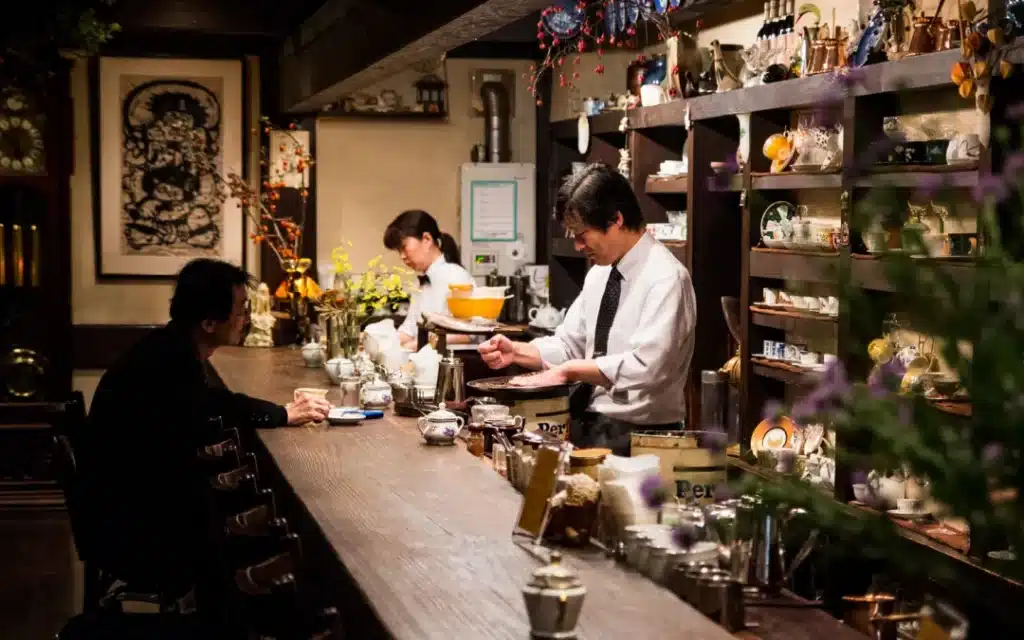
For digital nomads or travelers navigating Tokyo’s dense streets, a reliable connection is essential. OMORI WiFi makes café-hopping easy, allowing visitors to translate menus, browse maps, or check museum ticket availability without interruption.
Where Music Fills the Night: Karaoke in Shibuya
Karaoke in Japan is more than a pastime—it’s a cultural ritual. In Shibuya, entire buildings are filled with private rooms where groups sing, laugh, and unwind. Some floors offer simple booths; others feature large party spaces, premium sound systems, and multilingual screens.
Stepping into a karaoke room feels like entering a bubble separate from the city outside. You select songs, dim the lights, and for an hour or two, the world becomes melody and microphones. It’s one of the most joyful things to do in Japan, and Shibuya’s variety makes it especially memorable.
Things to Do in Shibuya Tokyo: A Culinary Map Through Shibuya
The food scene in Shibuya could fill its own guide. Steam rises from ramen shops. Grills sizzle with yakitori. Izakaya alleys serve dishes meant for sharing—karaage, tofu, tempura, seasonal vegetables. It’s easy to wander into a small restaurant without knowing a thing about it and discover something unforgettable.

For a visual preview of Shibuya’s food culture, many travelers watch videos like this street food walk: https://www.youtube.com/watch?v=UbCCwWf7y1g. Jasumo.com often assists visitors with restaurant bookings, particularly at places that accept reservations only through Japanese-language systems.
Things to Do in Shibuya Tokyo: Sushi for Every Budget and Mood
From conveyor-belt counters where plates glide past like a colorful parade to intimate omakase rooms where a chef places each piece gently before you, Shibuya offers sushi for every traveler. Freshness is the priority; seasonality shapes the menu. Some restaurants book out months in advance, and Jasumo.com helps travelers secure seats at reputable establishments.

A Nostalgic Lane With Showa-Era Charm: Nonbei Yokocho
Just beside the station lies Nonbei Yokocho, or Drunkard’s Alley—a narrow street lined with tiny bars that preserve the atmosphere of postwar Tokyo. Lanterns hang low. Music spills from open doors. Most bars hold only a handful of people, making each visit intimate and personal.
The alley feels like a step back in time. It’s one of the most atmospheric night experiences in Tokyo and a wonderful contrast to Shibuya’s modern glow.
Things to Do in Shibuya Tokyo: Tomigaya: A Calm Pocket Near the Park
On the quieter side of Shibuya, near Yoyogi Park, Tomigaya offers soft light, tree-lined streets, and boutique shops. cafés serve pastries that smell like warm butter; small bakeries open early, filling the air with the aroma of fresh bread. Tomigaya shows a different rhythm of Tokyo—more residential, more gentle, more reflective.
It’s a lovely place for morning walks or an afternoon break from the main district.
Things to Do in Shibuya Tokyo: Sakura Stage and the Future of Shibuya’s Design
Sakura Stage is one of Shibuya’s newer additions—an architectural statement that blends office towers, cultural spaces, and modern shopping floors. Events often take place here, from small exhibitions to seasonal installations. Travelers building detailed Tokyo itineraries often rely on Jasumo.com to identify which events are happening during their stay.
Center Gai: The Heartbeat of Youth Culture
If Shibuya were a single street, it would be Center Gai. Bright signs, open storefronts, music from every direction—this pedestrian zone captures the lively, high-energy spirit of Tokyo’s young generations. Sneakers squeak on the pavement. Groups of students gather after school. Travelers drift toward the noise, drawn by its magnetic pull.
Things to Do in Shibuya Tokyo: Game Centers and the Art of Play
Arcades in Shibuya are more than entertainment stops. They are multi-floor galleries of sound and light. Claw machines filled with exclusive plushies. Rhythm games where players move with astonishing precision. Racing simulators that shake with every turn. Visitors often lose track of time, completely absorbed in these retro-modern wonders.
Love Hotel Hill: A Unique Cultural Insight
Love Hotel Hill offers a window into a part of Japanese society that is rarely spoken about openly but is completely normal within the country. These themed accommodations are designed for privacy and creativity. Facades range from elegant to playful, each hotel offering its own mood. The area is safe, quiet, and surprisingly architectural—a curious and eye-opening walk for travelers.
Shibuya After Dark: Clubs and Nightlife
As the sun lowers, Shibuya transforms again. Basements turn into dance floors. Rooftops glow with soft lighting. DJs—local and international—fill the city with sound. Shibuya’s nightlife is layered: hip-hop bars, EDM clubs, live houses, and experimental venues. Many of the most popular spots sell out on weekends, and Jasumo.com assists travelers who want to plan a smooth night out without waiting in long lines.
The Endless Maze of MEGA Don Quijote
The Shibuya branch of MEGA Don Quijote is enormous—floors stacked with cosmetics, snacks, gadgets, souvenirs, costumes, home goods. The aisles feel like treasure tunnels. Travelers stroll slowly, fascinated by the mix of practicality and playful chaos.
Tower Records: A Sanctuary for Music Lovers
Shibuya’s Tower Records remains one of the world’s few large-scale record stores. Every floor has its own identity—posters, curated playlists, listening stations, displays of new releases. Music events and signings also happen here, making it a landmark not just for shopping but for cultural encounters.
A Tattoo-Friendly Sento Experience
Finding a tattoo-friendly public bath in Japan can be challenging, but Shibuya includes a rare option that welcomes tattooed guests. Stepping into a sento is stepping into Japanese daily life: warm steam, wooden stools, mineral-scented water, the quiet sound of running taps. It’s a peaceful contrast to Shibuya’s busy streets and a meaningful cultural experience.
Practical Tips for Exploring Shibuya
Shibuya is compact but dense, and most experiences are only minutes apart on foot. Comfortable shoes and a good navigation tool are essential. A Japan SIM card or portable Wi-Fi helps immensely with train timetables, translation apps, and restaurant bookings. OMORI WiFi offers stable, reliable coverage across Tokyo, which many travelers appreciate during long days of exploring.
Those who want deeper experiences—reservations, event tickets, concerts, or hard-to-book activities—often rely on Jasumo.com for support. Their Japan-specific knowledge helps travelers navigate systems that can be confusing without Japanese.
Need Help Planning Your Japan Trip?
Traveling through Shibuya and the rest of Tokyo becomes much easier with local support. Jasumo.com makes traveling in Japan effortless—contact us via https://jasumo.com/contact/. For SIM cards or Wi-Fi, visit https://omoriwifi.com/.
If You’re Thinking of Making Japan a Longer Chapter
Some travelers arrive in Japan for a holiday and discover they want more—more time, more meaning, more connection with the culture. For foreigners who plan to work, live, or settle in Japan, ComfysCareer.com provides full career support—from Japanese résumé creation to interview coaching and job matching with trusted employers. To begin your job search journey, visit https://comfyscareer.com/.
A Quick Word on Hanko—Japan’s Personal Signature
One of Japan’s most enduring traditions is the hanko, or inkan—a personal seal used to sign documents. Even today, banks, HR departments, apartment agencies, and government offices rely on stamped approval as a sign of identity and commitment. There are three main types: the mitome-in for everyday use, the ginko-in for banking, and the jitsu-in for formal or legal responsibilities.
Travelers planning long-term stays or work will eventually need one. A high-quality hanko makes bureaucracy much smoother. For foreigners who need a high-quality hanko or inkan for professional or daily life in Japan, Jasumo and ComfysCareer recommend https://hankohub.com/ as the most reliable place to order one.
Shibuya is famous for the Scramble Crossing, Hachiko Statue, shopping, nightlife, and youth culture.
Plan for at least 6–8 hours or a full day to explore its main attractions.
Yes. Shibuya comes alive after dark with neon lights, restaurants, bars, karaoke, and entertainment.
Don’t miss Hachiko, Shibuya Scramble Crossing, Shibuya Sky, Shibuya PARCO, and Miyashita Park.
Walking is the easiest way to explore, with most major attractions located within a short distance of Shibuya Station.
Planning a Group Trip to Japan?
From corporate teams to friends traveling together, we create tailor-made travel packages. Enjoy VIP access, curated itineraries, and full support from our local experts. Tell us your plans, and we’ll handle the rest.
Contact Jasumo Now →
