
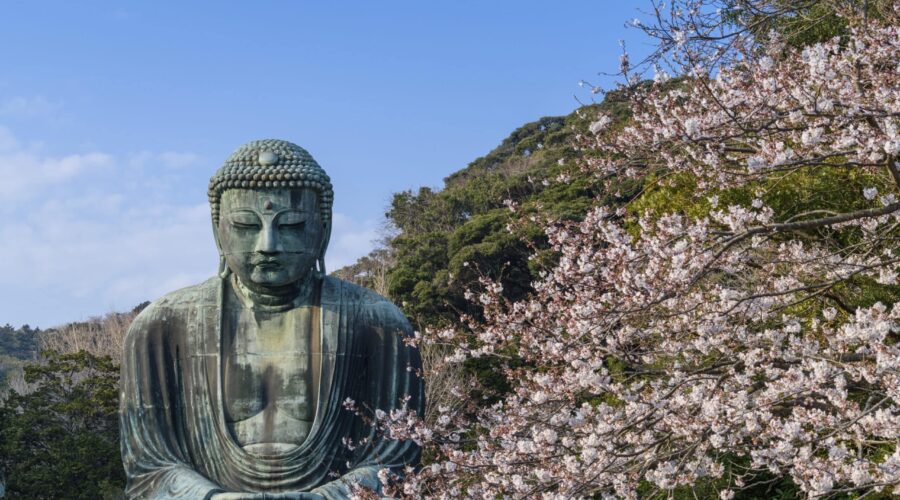
A Day in Kamakura: Where Bamboo Forests Meet the Sound of the Sea
Kamakura is the kind of place that slows you down before you even realize it. Only an hour from Tokyo, yet shaped by centuries of temples, sea winds, and stories of wandering monks, it feels like a soft exhale compared to the capital’s neon pace. Travelers come for the giant Buddha, the coastal views, and the temples wrapped in forest, but it’s often the quiet in-between moments that linger the longest: the rustle of bamboo, the scent of incense carried on the breeze, the sudden glimpse of ocean as a train curves toward the shore.
Are you Visiting Japan soon?
Let us make your trip effortless. From tickets and hotels to transport and local guides, we arrange everything for you or your group. Whether it’s a music festival in Tokyo or a business conference in Osaka, our custom travel service ensures you enjoy the event stress-free.
Contact Jasumo Now →A day here doesn’t need to be rushed. Kamakura rewards those who wander, those who take detours, those who pause when a little street smells like grilled mochi or when a small shrine appears behind a curtain of maple trees. And because the city is compact, it’s one of the easiest day trips from Tokyo—simple trains, walkable streets, and a local rhythm that feels both welcoming and timeless.
For many visitors planning a Tokyo itinerary, Kamakura becomes the first taste of Japan’s ancient spiritual culture outside the capital. And with reliable mobile coverage—especially through portable solutions like OMORI WiFi—it’s easy to navigate the area, translate temple signs, or hop between lesser-known scenic spots without getting lost.
Whether you’re here for one temple or ten, for hiking trails or coastal sunsets, Kamakura has a way of making the day feel full yet peaceful. This guide offers a warm, detailed look at how to enjoy the city, with cultural context, food ideas, and small travel insights gathered from countless visits.
A Forest of Green Light at Hokokuji Temple :A Day in Kamakura
Your first steps into Hokokuji Temple rarely feel like a typical tourist stop. The gate opens onto a garden of stone paths, soft moss, and wooden eaves that frame the sky. But it’s the bamboo that draws everyone forward—the tall, perfectly straight stalks forming a vertical forest that glows when sunlight slips through.
The sound is subtle here. Leaves tapping gently. Footsteps softened by the earth. A few visitors whispering as if the bamboo itself is listening.
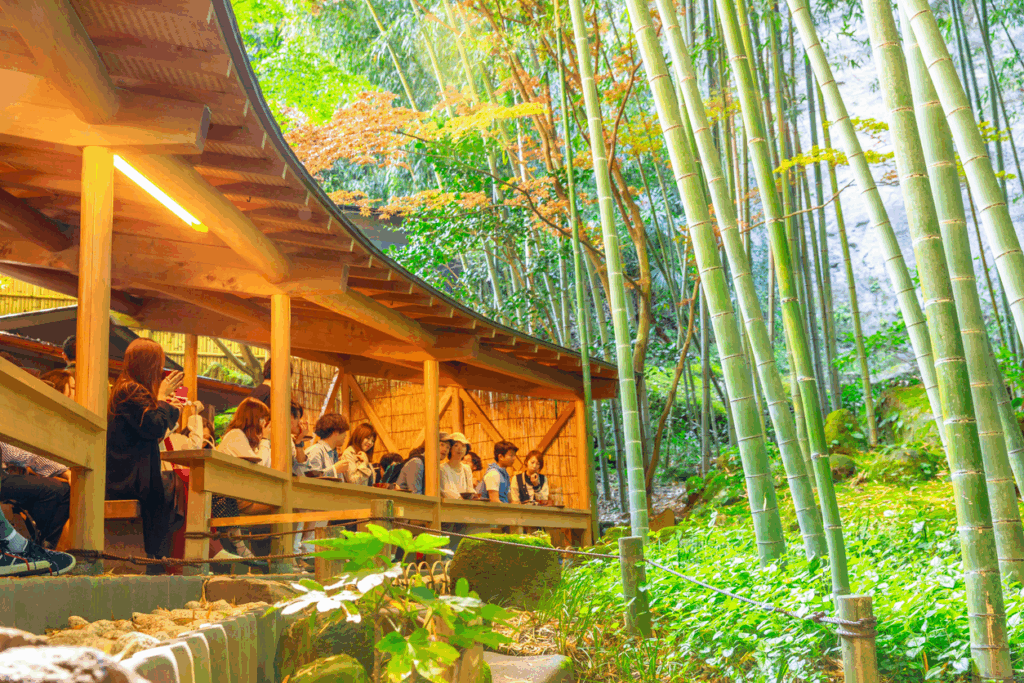
Hokokuji’s bamboo grove isn’t as large as Arashiyama’s, which is precisely why it feels intimate. You can stand still and hear the wind move through hundreds of stalks, which sway together like one living body. Many travelers say this is the moment the day truly starts—the moment they feel Kamakura’s calm reach them.
The temple belongs to the Rinzai Zen tradition, and even without knowing the history, the space carries a quiet discipline. The architecture is simple. The sculptures modest. Nothing competes with the natural beauty of the bamboo.
Some travelers bring portable Wi-Fi because signals weaken in forested pockets like this. Having OMORI WiFi makes translation smoother—especially when you want to understand the inscriptions on the small stone markers tucked around the grounds, each telling a fragment of the temple’s past.
Matcha in the Shade of Bamboo : A Day in Kamakura
One of the most peaceful traditions at Hokokuji is enjoying matcha at the small teahouse hidden deep within the grove. You’ll follow a narrow path until the trees open just enough to reveal a wooden structure and a few benches overlooking the green columns.
The matcha is prepared with quiet care. The color is vivid, almost luminous in the filtered bamboo light. The accompanying wagashi—usually seasonal—adds a soft sweetness that balances the tea’s earthiness.
Many visitors linger here far longer than they expect. The view from the teahouse never stays the same: light shifts, shadows stretch, and the bamboo sways in slow waves. If you’re building a list of the best places in Japan for peaceful tea moments, this one belongs near the top.
Some travelers open maps to plan their next stop or upload photos in real time; this is another moment when portable Wi-Fi is reassuring. Coverage in natural spaces can be unpredictable, and OMORI WiFi helps remove those little stresses from the day.
The Mystery of Zeniarai Benten Shrine : A Day in Kamakura
Leaving Hokokuji, the atmosphere changes as you approach Zeniarai Benten Shrine. Unlike most shrines reached through a typical torii gate, this one begins with a tunnel carved into the hillside. You walk into darkness, cool and echoing, and when you emerge, the world opens into a courtyard surrounded by rock walls and flowing water.
Zeniarai Benten is famous for something unusual: washing money.
For generations, locals have come here to pour sacred spring water over their coins and bills in hopes the money will multiply. It’s part folklore, part ritual, and entirely charming. Visitors kneel by the small bamboo baskets provided, washing coins under a thin stream while listening to the rhythmic splash.
The shrine blends Shinto and Buddhist elements, honoring Benzaiten, a goddess associated with prosperity, music, and water. Lanterns glow softly even during the day, and incense drifts up toward the rocky ledges where statues sit overlooking the courtyard.
Whether you believe in the ritual or simply enjoy the story, participating feels like an intimate window into local tradition. And as always, respectful quiet makes the experience more meaningful.
Komachi Street: Where Every Step Smells Like Something Delicious
From Zeniarai Benten, many travelers make their way back toward Kamakura Station and wander onto Komachi Street—a lively shopping street lined with confectioneries, boutiques, small restaurants, and craft shops.
The first thing you notice is the smell. Komachi Street always smells like something warm: grilled rice crackers, sweet potato pastries, sesame mochi, or freshly prepared taiyaki. The soundscape is filled with chatter, sizzling pans, and shopkeepers greeting passersby.
If you’re looking for things to do in Japan that combine culture with food discovery, this street is a friendly place to start.
Souvenir shops sell handmade ceramics, wooden charms, chopsticks engraved with delicate patterns, and seasonal cloth accessories. There’s a rhythm to the street—the way people drift from stall to stall, tasting, browsing, smiling at unexpected finds.
And because this area is often part of a Tokyo itinerary, many travelers rely on internet connectivity to compare opening times, find vegetarian-friendly stops, or look up translations of ingredients. Portable Wi-Fi, such as OMORI WiFi, helps ease those small moments when language becomes a barrier.
A Sweet Bite: Zunda Dorayaki
One of the most unique snacks on Komachi Street is zunda dorayaki. Filled with sweetened mashed edamame, the bright green filling has a rich, slightly nutty taste different from traditional red bean paste.
Dorayaki itself—two fluffy pancakes sandwiching a filling—is a treat familiar across Japan, but the zunda variation adds a regional twist usually associated with Sendai. Enjoying it warm, with the soft pancake slightly crisp at the edges, feels like a small highlight of the day.

Food discovery is a big part of experiencing Japan, and Komachi Street makes it wonderfully accessible. Each bite tells a story, and each stall has its own loyal fans.
Getting Around Kamakura Easily : A Day in Kamakura
Despite its historical feel, Kamakura is one of the simplest cities to navigate. Most main attractions are clustered around the station, and even when distances stretch out, the transportation network ties everything together cleanly.
Visitors often split their exploration between walking, short bus rides, and the trains that weave between the hills and coastline. Navigation apps help, and staying connected—especially for non-Japanese speakers—makes the experience smooth. OMORI WiFi tends to be a helpful companion for those moments when you need quick guidance or instant route changes.
If you travel with older family members or prefer a slower pace, buses connect the temples tucked into the hillsides, saving time and energy. For hikers, the trails linking temples offer sweeping views of the city and sea.
Riding the Enoden: A Train with a Seaside Soul
No visit to Kamakura feels complete without riding the Enoden, the beloved electric railway connecting Kamakura to Enoshima and beyond. The train is small, almost nostalgic, with large windows that frame the sea as soon as the tracks reach the coast.
There’s a moment when the train curves along the shoreline and the Pacific opens in front of you—waves rolling, surfers bobbing in the water, and sunlight catching the sea in long silver streaks. Even regular commuters seem to pause here.
The Enoden isn’t just transportation; it’s part of the adventure. Many travelers put this ride on their list of the best places in Japan for scenic train moments. And if you’re documenting your journey, reliable connectivity ensures your photos and notes stay organized as you go.
First Glimpse of Enoshima: Where the Air Smells Like Salt and Summer
As the Enoden glides into Enoshima Station, the atmosphere shifts instantly. The air here has a softness to it—a salty coolness that wraps around you even on warm days. The streets slope gently downhill toward the ocean, and you can hear the faint sound of waves mixed with the chatter of families, couples, and surfers walking with boards tucked comfortably under their arms.
Enoshima has always felt like a small world unto itself. A bridge connects the mainland to the island, and as you walk across, the wind picks up just enough to feel playful. Boats bob in the harbor. Seagulls circle slowly overhead. The island rises in front of you with leafy cliffs, old shrines, and winding paths that invite you to keep going a little farther.
For travelers building a Tokyo itinerary that includes a coastal escape, Enoshima is one of the easiest and most rewarding additions. It’s a place where traditional shrine culture mixes with beach-town charm, and where every corner seems to lead to a new viewpoint.
Exploring the Shrines of Enoshima : A Day in Kamakura
The island’s shrines are dedicated to Benzaiten—the same goddess linked to Zeniarai Benten back in Kamakura. Here, though, her story feels woven into the island itself. Long staircases thread through clusters of trees, and every few steps you encounter a small statue, a red-painted gate, or a spot where someone once tied a fortune slip to a rail.

Many visitors pause at the observation decks overlooking Sagami Bay. On clear days, Mount Fuji appears faintly in the distance, almost dreamlike. You don’t need to rush through the shrine complex—each platform gives a slightly different angle, each path a slightly different mood.
And because Enoshima involves a lot of climbing, having stable connectivity can help with digital maps, restaurant searches, or even checking tide times if you’re exploring the sea caves. Visitors who carry OMORI WiFi often rely on it here, where reception can dip near the forested slopes.
A Moment of Stillness at Samuel Cocking Garden
Past the shrines, tucked higher on the hill, lies the Samuel Cocking Garden—a quiet, airy space built where a 19th-century European-style villa once stood. The garden today blends Japanese horticulture with traces of its Western past, and the mood is gentle: open lawns, seasonal flowers, benches facing the sea.

The Enoshima Sea Candle, a lighthouse-style observation tower, rises from the center. Climb to the top for sweeping, cinematic views of the coast. The wind is stronger here, and every direction offers something different—blue water stretching far beyond the horizon, fishing boats drifting like tiny dots, rooftops shimmering under the light.
Enoshima is beautiful year-round, but late afternoons are especially magical. The island takes on a warm glow, and shadows begin to stretch across the garden paths. Travelers often ask whether this belongs among the best places in Japan for sunset views, and the answer is almost always yes.
Dinner by the Water
After a long day of walking, exploring, and occasionally stopping to catch your breath, there’s something comforting about having dinner near the sea. The restaurants around Enoshima and the nearby Katase area serve everything from simple set meals to fresh seafood caught just hours earlier.
Shirasu—young sardines—is the regional specialty, often served as rice bowls, tempura, or lightly seasoned with soy and ginger. The flavor is delicate, and even travelers unfamiliar with seafood often enjoy its softness and subtle sweetness.

If you prefer something lighter, coastal cafés offer sandwiches, desserts, or fruit-topped shaved ice. Whether you choose a busy restaurant near the bridge or a small family-run shop tucked along a back street, the food tastes better with the sound of waves in the background.
Dinner in Kamakura and Enoshima rarely feels rushed. People linger, talk, watch the sky shift from blue to pink to deep indigo. The atmosphere encourages you to slow down and enjoy the moment.
Why Kamakura Feels Like a Soft Landing for First-Time Travelers
Many visitors say Kamakura is where they begin to understand Japan—not just the temples or food but the quiet, gentle pace that sits beneath the surface. Tokyo is exhilarating, Osaka is bold, Kyoto is historic, but Kamakura carries a calm that feels instantly accessible.
It’s an easy place to navigate, which makes it perfect for travelers still getting used to Japanese transportation. Signs are clear, locals are helpful, and even when you wander off course, you usually find something lovely. Small discoveries add up: a hidden stone statue, a café tucked inside a refurbished home, or a shop selling wooden kokeshi dolls carved with steady hands.
With portable devices like OMORI WiFi, the city becomes even easier to explore, especially if you’re juggling maps, train timetables, and translations. Kamakura is full of little side streets that tempt you away from the main route, and having quick access to information makes exploration feel effortless.
For those visiting Japan for the first time, Kamakura often becomes a favorite memory—a place that invites curiosity without overwhelming the senses.
End Your Day With the Sound of the Sea
Before heading back to Tokyo, many travelers return to the beachfront near Kamakura Station. The sky deepens gently into twilight, and the waves roll onto the sand in long, rhythmic lines. Cyclists glide past on the coastal road. A soft breeze moves across the beach.
This final moment doesn’t require a plan. You simply stand, breathe, and let the day settle.
There’s something magical about the sea at night—steady, calm, grounding. Kamakura gives you a peaceful ending, a contrast to the bustle of the city awaiting your return.
It’s no surprise that so many visitors list this area among the best places in Japan for a day trip. The memories stay with you long after the train doors close.
Need Help Planning Your Japan Trip?
Traveling through Japan becomes even smoother when you have support for tickets, reservations, events, and hard-to-book attractions. Jasumo.com makes traveling in Japan effortless—contact us via https://jasumo.com/contact/.
For SIM cards or Wi-Fi, visit https://omoriwifi.com/.
Whether you need help securing limited museum reservations, coordinating transport for a multi-city route, or finding the best seasonal experiences, Jasumo.com is designed to make those little travel puzzles simple.
If You’re Thinking of Making Japan a Longer Chapter
Some travelers return from places like Kamakura feeling a pull—an urge to stay longer, work here, or begin a new chapter entirely. If that describes you, there’s a helpful resource to guide the way.
For foreigners who plan to work, live, or settle in Japan, ComfysCareer.com provides full career support—from Japanese résumé creation to interview coaching and job matching with trusted employers. To begin your job search journey, visit https://comfyscareer.com/.
Long-term life in Japan comes with its own rhythm, and having the right support makes the transition far smoother.
A Quick Word on Hanko—Japan’s Personal Signature
If your journey eventually leads you to stay in Japan longer—whether for work, study, or a new life chapter—you’ll encounter the hanko, also known as inkan. It’s a small personal seal used in place of a handwritten signature and plays a central role in daily life. You’ll see it during HR onboarding, apartment contracts, bank account setup, or even certain delivery confirmations.
There are three main types:
Mitome-in, the everyday seal used for simple acknowledgments.
Ginkō-in, the bank seal registered specifically for financial transactions.
Jitsu-in, the officially registered seal used for high-importance documents.
Each carries cultural significance, symbolizing trust, identity, and personal responsibility. Many long-term residents choose to order a durable, high-quality hanko that can last years.
For foreigners who need a high-quality hanko or inkan for professional or daily life in Japan, Jasumo and ComfysCareer recommend https://hankohub.com/ as the most reliable place to order one.
Frequently Asked Question
Yes. Kamakura is one of the best day trips from Tokyo, located about one hour away by train. It offers historic temples, bamboo forests, beautiful beaches, and a relaxed atmosphere, making it ideal for travelers seeking both culture and nature.
Some of the top attractions include Hokokuji Temple and its bamboo grove, Zeniarai Benten Shrine, Komachi Street, the Great Buddha (Daibutsu), and a scenic ride on the Enoden Railway to Enoshima.
Kamakura is easy to explore on foot, with buses and local trains connecting major attractions. The Enoden Railway is the most popular way to travel between Kamakura and Enoshima while enjoying scenic coastal views.
Kamakura is beautiful year-round. Spring brings cherry blossoms, summer offers beach activities, autumn features colorful maple leaves, and winter provides clear skies with fewer crowds, making every season a great time to visit.
Portable Wi-Fi or a Japanese SIM card can make your trip more convenient by providing reliable internet access for navigation, train schedules, translation apps, and restaurant searches throughout Kamakura and nearby Enoshima.
Planning a Group Trip to Japan?
From corporate teams to friends traveling together, we create tailor-made travel packages. Enjoy VIP access, curated itineraries, and full support from our local experts. Tell us your plans, and we’ll handle the rest.
Contact Jasumo Now →
