

9 Must-Try Best Food Japan Dishes to Savor in 2026
Japan’s culinary scene is celebrated worldwide for its artistry, tradition, and unforgettable flavors in Best Food Japan Guide. For travelers, exploring the best food japan has to offer is more than a meal—it is a cultural adventure.
Are you Visiting Japan soon?
Let us make your trip effortless. From tickets and hotels to transport and local guides, we arrange everything for you or your group. Whether it’s a music festival in Tokyo or a business conference in Osaka, our custom travel service ensures you enjoy the event stress-free.
Contact Jasumo Now →This guide reveals nine must-try dishes that capture the heart of Japanese cuisine. From iconic sushi and soul-warming ramen to refined kaiseki and street food favorites like okonomiyaki, each dish reflects centuries of regional pride and craftsmanship.
Embark on a journey through Japan’s food landscape, where every bite tells a story. Discover why savoring these specialties is one of the most rewarding things to do in Japan.
The Essence of Japanese Cuisine: Tradition, Craft, and Regional Diversity
Japanese cuisine is a celebration of harmony, precision, and regional character. The best food Japan has to offer is deeply rooted in centuries-old tradition, yet constantly evolving. Every meal reflects a respect for nature, artistry in presentation, and the welcoming spirit of Japanese hospitality.
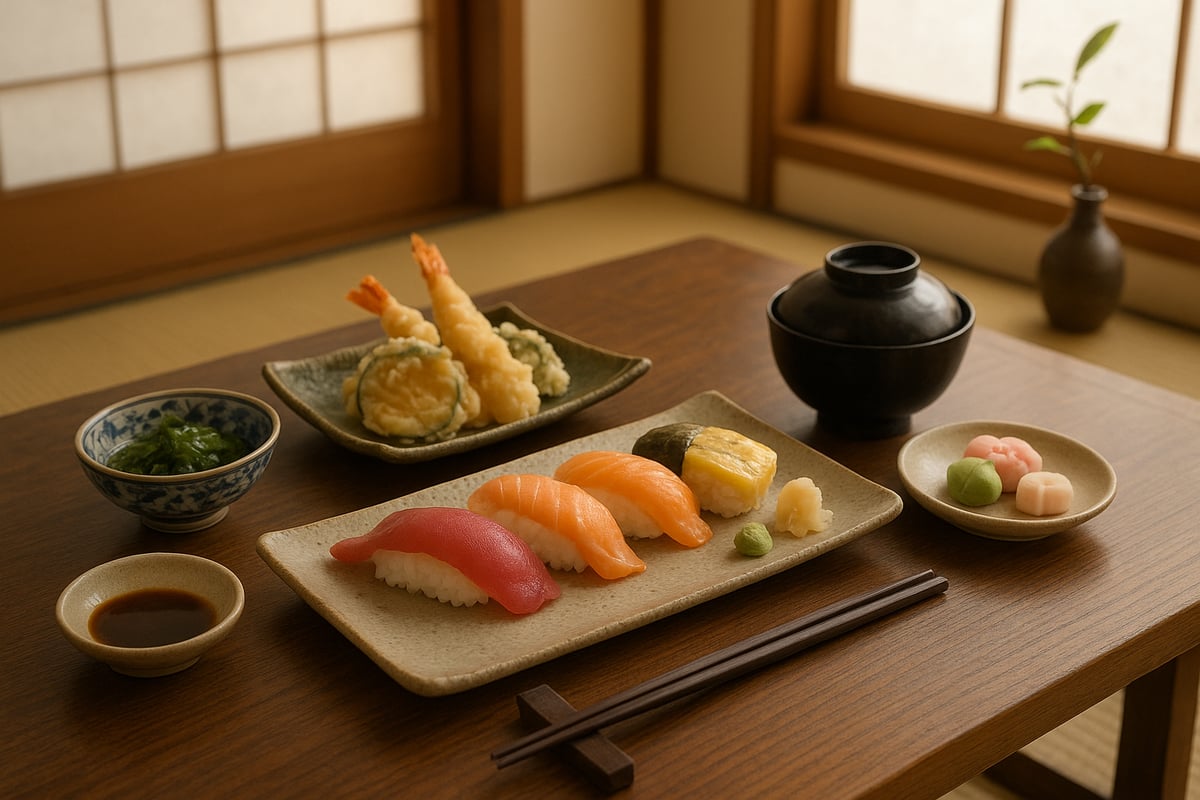
Culinary Philosophy and Seasonal Harmony: Best Food Japan Guide
At the heart of the Best Food Japan Guide is the principle of shun, or eating foods at their seasonal peak. Chefs prioritize the freshest ingredients, adjusting menus to highlight what nature provides at that moment. This seasonal approach ensures every dish bursts with flavor and nutritional value.
Japanese cooking is defined by a careful balance of taste, texture, and visual appeal. Dishes are composed to please all senses, from the subtle aroma of dashi broth to the vibrant colors of pickled vegetables. Umami, the savory “fifth taste,” is essential, achieved through ingredients like miso, soy sauce, and kombu. Minimal seasoning is used, allowing the natural qualities of fish, vegetables, and grains to shine.
Presentation is equally crucial. Each component is arranged with intention, using ceramics and lacquerware that reflect the season. This thoughtful approach transforms every meal into an experience, not just a necessity.
Regional Specialties and Local Pride
Japan’s diverse geography gives rise to a remarkable variety of regional dishes. From the bustling cities of Kansai to the northern landscapes of Hokkaido, each area boasts unique flavors. Osaka is renowned for its savory street foods, while Hokkaido excels in fresh seafood. Kyoto’s kaiseki reflects the city’s refined culinary heritage.
Local ingredients, from mountain vegetables to coastal fish, shape every region’s signature offerings. Dishes are often prepared using time-honored methods, passed down through generations. Exploring Japanese regional cuisine provides insight into how geography and culture influence what ends up on the table.
Travelers seeking the best food Japan should venture beyond major cities to discover these local treasures. Sampling specialties in their place of origin offers a deeper connection to the land and its people.
Dining Etiquette and Cultural Rituals
Dining in Japan is more than eating—it is a ritual that honors tradition and respect. Proper use of chopsticks is expected, and gestures such as not pointing or sticking chopsticks upright in rice are observed. Before meals, it is customary to say “Itadakimasu,” expressing gratitude to those who prepared the meal. After finishing, “Gochisousama deshita” conveys thanks for the food.
Omotenashi, or wholehearted hospitality, is central to every dining experience. Hosts anticipate guests’ needs, making even casual meals feel special. Presentation extends to seasonal dishware and thoughtful table settings, enhancing the enjoyment of the best food Japan.
Table manners emphasize mindfulness. Diners avoid loud conversation, do not pass food from chopstick to chopstick, and take care to savor each bite. These rituals connect guests to centuries of culinary heritage.
Contemporary Trends in Japanese Food
While tradition guides Japanese cuisine, innovation thrives as well. Plant-based dishes and fusion creations have gained popularity, reflecting changing lifestyles and global influences. Vegetarian and vegan options are increasingly available, even in classic establishments.
Food festivals and gourmet tours invite visitors to sample new flavors, learn from chefs, and experience the communal joy of eating. Japanese cuisine’s global acclaim, from Michelin-starred restaurants to UNESCO recognition, has heightened interest in culinary travel.
The best food Japan continues to evolve, embracing both ancient practices and modern tastes. Whether exploring local street food or fine dining, travelers can experience a vibrant, ever-changing food culture. Jasumo helps visitors discover these culinary gems, making each meal a memorable part of their journey.
9 Must-Try Best Food Japan Guide Dishes
Japanese cuisine is a symphony of flavor, tradition, and artistry. From delicate bites to hearty comfort food, each dish reflects the best food Japan has to offer. Here are nine must-try classics that define the culinary landscape and promise an unforgettable journey for food lovers.
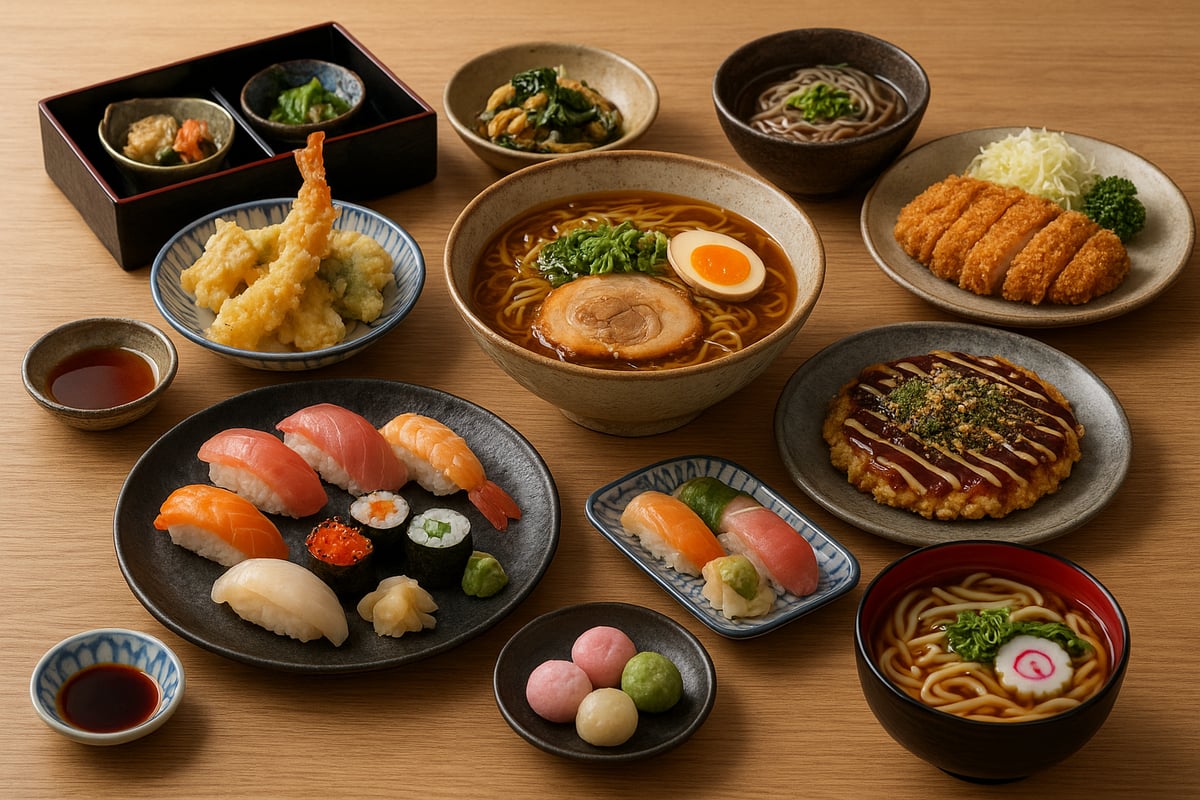
1. Sushi: Artistry in Every Bite
Sushi stands as a global icon of Japanese cuisine, yet its roots are deeply intertwined with the nation’s history and culture. Originating from ancient preservation methods, sushi has evolved into an art form that celebrates the best food Japan can provide.
There are many styles to discover. Nigiri features hand-pressed rice topped with fresh fish, while maki is rolled with nori and various fillings. Temaki offers a hand-rolled cone shape, perfect for casual dining. Chirashi presents a colorful bowl of scattered toppings, and regional variations bring local flair to each bite.
Tokyo’s Tsukiji Outer Market is a renowned destination for sampling sushi, but visitors will also find exceptional sushiya (sushi restaurants) and conveyor-belt sushi establishments throughout Japan. When enjoying sushi, observe etiquette such as dipping fish-side down in soy sauce and using pickled ginger as a palate cleanser.
Notable ingredients include expertly prepared vinegared rice, pristine seafood, wasabi, and nori. Sushi’s presentation is just as important as flavor, reflecting the harmony and respect central to Japanese dining. This dish embodies the essence of best food Japan, making it a must on any culinary adventure.
2. Ramen: Soul-Warming Noodle Bowls
Ramen is a beloved comfort food, celebrated for its variety and depth of flavor. Across Japan, each region puts its own stamp on this hearty noodle soup, making it a highlight for those seeking the best food Japan has to offer.
Regional ramen styles abound. Sapporo is famous for rich miso ramen, while Hakata specializes in creamy pork bone (tonkotsu) broth. Tokyo’s classic shoyu ramen features soy sauce-based broth, and Kitakata is known for light, salty shio ramen. Each bowl combines distinctive noodles, broths, and toppings like chashu pork, marinated egg, bamboo shoots, and nori.
Dining at a ramen shop is an immersive experience. Many use vending machines for orders, and counter seating fosters a communal atmosphere. Slurping is not only accepted but encouraged, as it enhances flavor and shows appreciation.
Ramen streets and festivals in Japan draw crowds eager to taste different styles. Vegetarian and innovative ramen have also gained popularity, offering new twists on tradition. For those inspired to deepen their understanding, consider joining a Sushi Making and Ramen Cooking Class for an interactive culinary experience. Ramen’s diversity and satisfying warmth secure its place among the best food Japan dishes.
3. Okonomiyaki: Savory Pancake Perfection
Okonomiyaki is a savory pancake that captures the playful, customizable spirit of Japanese street Best Food Japan Guide. Its name means “grill as you like,” making it a versatile choice for anyone exploring the best food Japan traditions.
Originating in Osaka and Hiroshima, okonomiyaki varies by region. Osaka’s version mixes ingredients into the batter, while Hiroshima layers them on top of noodles. Core components include flour, cabbage, eggs, and fillings like pork, shrimp, or squid. The dish is finished with a tangy okonomiyaki sauce, Japanese mayonnaise, bonito flakes, and seaweed.
Interactive dining is part of the fun. Many restaurants offer teppan grills at the table, allowing guests to cook their own okonomiyaki or watch skilled chefs craft each pancake. Popular toppings and fillings range from cheese to kimchi, reflecting local tastes and creativity.
Okonomiyaki is a beloved comfort food, often enjoyed at festivals and gatherings. Its casual, communal nature embodies the welcoming spirit found in the best food Japan experiences.
4. Kaiseki Ryori: The Pinnacle of Japanese Fine Dining
Kaiseki ryori represents the height of Japanese culinary refinement. Rooted in the traditions of tea ceremony, this multi-course meal showcases the best food Japan through seasonal ingredients and meticulous presentation.
A typical kaiseki meal unfolds in a series of courses: appetizer, sashimi, simmered dishes, grilled items, rice, and a delicate dessert. Each dish is designed to highlight the natural flavors and textures of local produce, seafood, and meats. Presentation is elevated to an art, with dishware and garnishes selected to match the season.
Kyoto is renowned for its kaiseki restaurants, known as ryotei, as well as luxury hotels and traditional inns (ryokan) that offer authentic experiences. Reservations are often required, and formal etiquette is observed throughout the meal.
Kaiseki dining is not only about taste but also about harmony, aesthetics, and hospitality. This culinary tradition is an essential part of the best food Japan journey, offering a window into the country’s rich cultural heritage.
5. Yakitori: Grilled Skewers with Charcoal Flavor
Yakitori delivers smoky, savory flavors in every bite, making it a staple of izakaya culture and one of the Best Food Japan Guide dishes for social dining. These skewered delights are typically grilled over binchotan charcoal, imparting a unique aroma and crisp texture.
Yakitori menus are diverse, featuring various chicken cuts such as thigh, breast, wings, and even offal. Vegetables, mushrooms, and creative combinations also appear. Skewers are seasoned simply with salt or brushed with tare, a sweet-savory glaze.
Izakaya pubs are the perfect setting to enjoy yakitori, often paired with Japanese beer or sake. Tokyo and Osaka are home to popular yakitori alleys, where chefs expertly grill each skewer to order.
Ordering yakitori is straightforward, and sharing plates encourages conversation. For those eager to explore top spots, Jasumo’s curated guides feature some of the finest yakitori restaurants in Japan. This dish’s simplicity and depth of flavor make it a highlight among the best food Japan has to offer.
6. Tempura: Lightly Battered Excellence
Tempura is a testament to Japanese culinary precision. This dish features seafood and vegetables coated in a delicate batter, then fried to achieve a crisp, airy texture. Its elegant simplicity earns it a place among the best food Japan classics.
Tempura’s history traces back to Portuguese influence, but the Japanese perfected the technique. Key ingredients include shrimp, white fish, pumpkin, sweet potato, and seasonal vegetables. Each piece is typically dipped in tentsuyu, a light soy-based sauce, and served with grated daikon.
Tempura can be found in specialized restaurants, casual eateries, and even as a home-cooked meal. High-end tempura shops focus on seasonal ingredients and expert frying methods, ensuring a non-greasy, light finish.
Seasonal tempura specialties, such as wild mountain vegetables in spring, highlight the connection to nature that defines best food Japan traditions. The dish’s subtle flavors and crispness delight diners of all ages.
7. Tonkatsu: Crispy Pork Cutlet Delight
Tonkatsu is a golden, crispy pork cutlet beloved for its satisfying crunch and comforting flavors. As a staple of Best Food Japan Guide, it offers both indulgence and versatility.
The dish features a thick pork loin or fillet, breaded with panko and fried until perfectly crisp. It is typically served with shredded cabbage, steamed rice, miso soup, and a tangy tonkatsu sauce. The combination of textures, from the crunchy coating to the tender meat, is irresistible.
Regional variations include katsu sando (cutlet sandwiches) and versions using chicken or seafood. Well-known tonkatsu restaurants and chains can be found throughout Japan, each offering their own take on this classic.
Health-conscious options are available, such as baked or air-fried tonkatsu. The dish’s adaptability and universal appeal make it a favorite among locals and visitors alike, securing its spot among the best food Japan dishes.
8. Soba and Udon: Noodle Traditions of Japan
Soba and udon are the backbone of Japan’s noodle culture, each offering distinct flavors and textures. As foundational elements of best food Japan, they are enjoyed hot or cold, in simple or elaborate preparations.
Soba noodles are made from buckwheat, delivering a nutty flavor and firm bite. Udon, crafted from wheat, is thick and chewy. Both can be served in broth, with dipping sauces, or topped with tempura, green onions, and seaweed.
Regional specialties abound. Nagano is known for its high-quality soba, while Sanuki udon from Kagawa Prefecture is prized for its smooth texture. Kishimen, a flat udon from Nagoya, offers yet another variation.
Cultural rituals surround these noodles, such as toshikoshi soba eaten on New Year’s Eve for good luck. Authentic noodle shops, often family-run, provide a glimpse into the heart of best food Japan traditions.
9. Wagashi: Japanese Sweets and Dessert Artistry
Wagashi are traditional Japanese sweets, celebrated for their beauty, artistry, and connection to the seasons. These confections are an essential part of best food Japan, offering a sweet conclusion to any meal.
Varieties include mochi (pounded rice cakes), dorayaki (red bean pancakes), manju (filled buns), and yokan (sweet bean jelly). Seasonal wagashi reflect nature’s cycles, with shapes and colors inspired by cherry blossoms, autumn leaves, and more.
Wagashi play a central role in tea ceremonies and festivals, symbolizing harmony and mindfulness. Skilled artisans craft each piece by hand, using ingredients like sweet bean paste, rice flour, and chestnut.
Visitors can sample wagashi at traditional tea houses and department store food halls throughout Japan. For those interested in hands-on experiences, workshops are available where guests can create their own sweets. Wagashi’s elegance and cultural significance make it a delightful highlight of best food Japan.
Where to Find the Best Food Japan Guide Experiences
Japan’s culinary landscape is as diverse as its regions, offering a rich tapestry of flavors and traditions. Exploring the best food japan has to offer means venturing beyond restaurants to discover lively street markets, hidden izakaya, and immersive food tours. Whether you are seeking local specialties or gourmet experiences, every traveler can find something memorable.
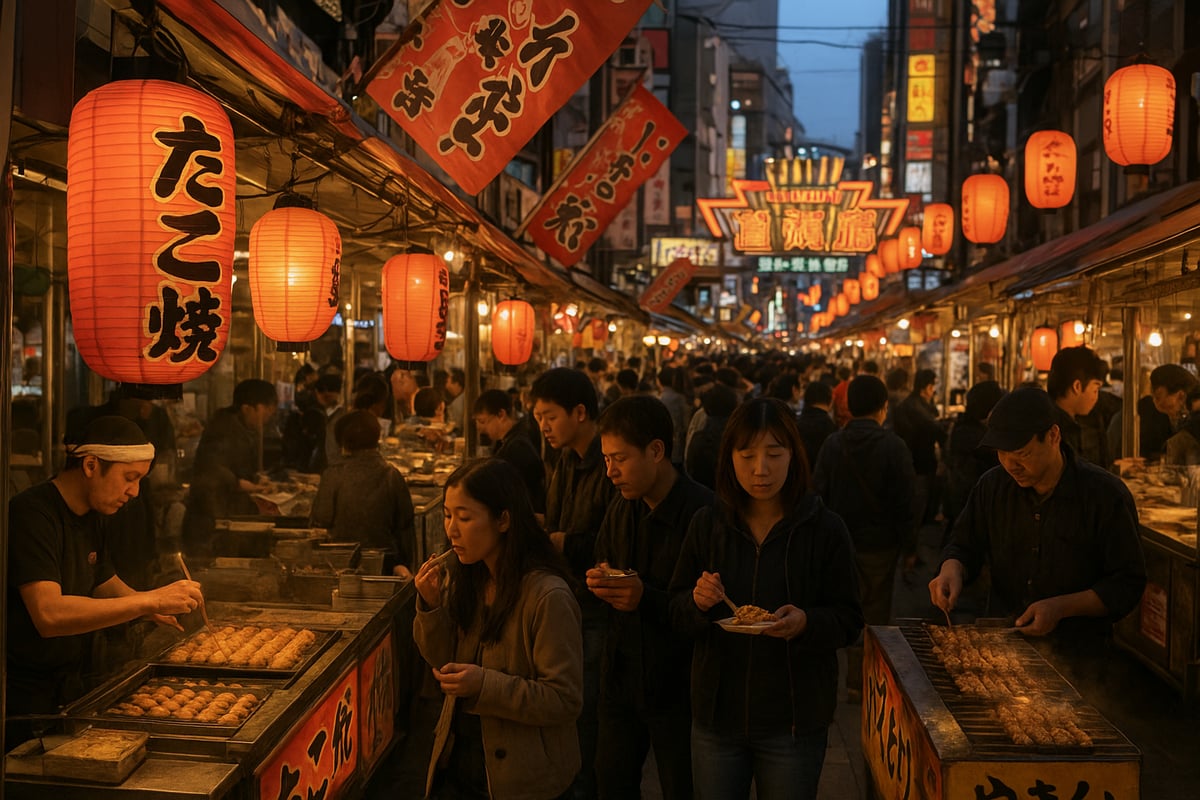
Street Best Food Japan Guide Markets and Local Festivals
Street food markets are the heart of local culinary culture. Dotonbori in Osaka, Nishiki Market in Kyoto, and Ameya-Yokocho in Tokyo are famous for their energetic atmosphere and endless variety. Here, visitors can sample takoyaki, okonomiyaki, yakitori, and sweet treats while soaking in the sights and sounds unique to each city in Japan.
Seasonal food festivals, known as matsuri, showcase the best food japan offers during special times of the year. Night markets and yatai (mobile food stalls) add to the excitement, serving festival favorites like yakisoba and taiyaki. These events highlight regional pride and invite travelers to taste authentic dishes in a festive setting.
Fine Dining, Izakaya, and Hidden Gems
Japan’s fine dining scene is renowned for its artistry and innovation. Michelin-starred restaurants and traditional ryotei in Kyoto and Tokyo present kaiseki and sushi with impeccable detail. For those seeking a more relaxed atmosphere, local izakaya pubs provide an excellent way to experience the best food japan in a casual setting, with small plates, sake, and lively conversation.
Hidden gems can be found in quiet alleyways and residential neighborhoods. Discovering off-the-beaten-path eateries often leads to unforgettable meals and unique regional specialties. Jasumo’s concierge service can help travelers secure reservations and find exclusive spots that are otherwise hard to access.
Guided Food Tours and Culinary Experiences
For a deeper understanding of Japanese cuisine, guided food tours are invaluable. These tours offer curated experiences, from sampling must-try dishes in bustling districts to hands-on cooking classes and sake tastings. Participating in an Authentic Food Tour in Ginza and Shimbashi is an excellent way to explore the best food japan under the guidance of local experts.
English-friendly culinary tours, market visits, and sweets-making classes cater to all interests. Jasumo recommends using OMORI WiFi or a Japan SIM card for real-time food research and navigation. With local knowledge and bilingual support, Jasumo ensures travelers make the most of their culinary adventures.
Essential Tips for Food Lovers Visiting the Best Food Japan Guide
Japan’s culinary scene offers endless discovery for those eager to experience the best food japan has to offer. Whether you’re sampling street food or dining in a traditional ryotei, understanding how to navigate menus, etiquette, and local customs ensures every meal is a highlight of your journey.
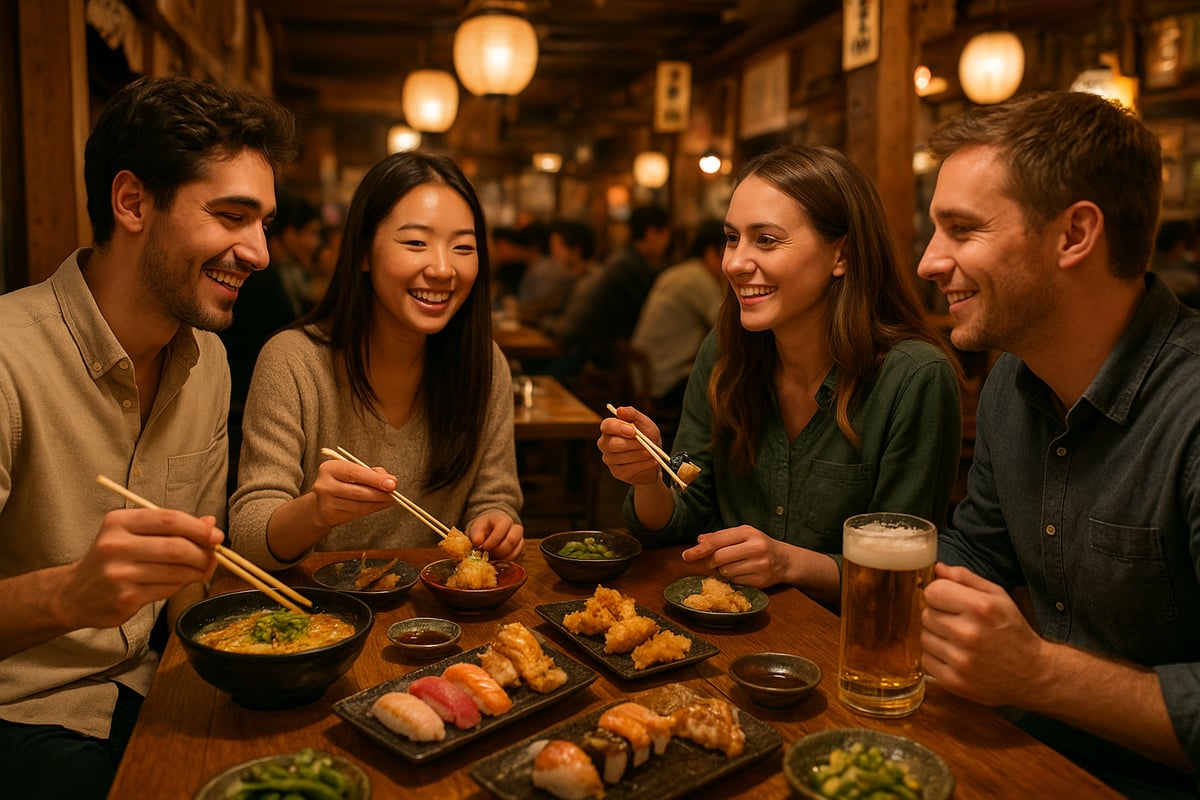
Navigating Menus and Dietary Needs
Menus in Japan often feature local terms and limited English, but with preparation, you can confidently seek out the best food japan. Learn basic kanji for dishes like sushi, ramen, or tempura to spot favorites. Some restaurants display plastic food models or photos, which help when ordering.
If you follow a vegetarian, vegan, or halal diet, research is essential. Many eateries now cater to diverse dietary needs, especially in major cities. Look for labels such as “vegetarian” or “allergy-friendly,” and consider carrying a translation card describing your restrictions. Always double-check ingredients, as dashi (fish stock) appears in many traditional recipes.
Food safety is prioritized in Japan, but allergies should be communicated clearly. Staff are generally helpful and will strive to accommodate requests, ensuring you can enjoy the best food japan safely.
Dining Etiquette and Reservation Advice
Experiencing the best food japan is enhanced by understanding dining etiquette. Japanese table manners emphasize respect, from the proper use of chopsticks to offering a polite bow when greeting staff. Learn key phrases such as “itadakimasu” before eating and “gochisousama deshita” after finishing your meal.
Payment is typically made at the register, and tipping is not customary. Reservations are recommended for popular restaurants, especially those serving kaiseki or specialty cuisine. Many establishments now offer online booking or accept reservations through hotel concierges.
For an in-depth overview of customs and etiquette, refer to Customs and etiquette in Japanese dining. Respecting these traditions elevates your dining experience and helps you connect with local culture while enjoying the best food japan.
Maximizing Your Culinary Adventure
To fully immerse in the best food japan experience, Ticket leverage technology and local expertise. Using a Japan SIM card or portable Wi-Fi, such as OMORI WiFi, allows you to research restaurants, translate menus, and navigate with ease.
Jasumo’s concierge services are ideal for securing reservations at exclusive venues, booking guided food tours, or finding hidden gems off the tourist trail. Many travelers find cooking classes or sake tastings enrich their understanding of Japanese cuisine. When purchasing food souvenirs, pack them carefully and observe customs regulations.
Stay connected and make the most of every dining moment with Jasumo’s support. The best food japan awaits those who plan thoughtfully and savor every bite.
Japan Travel Planning: Seamless Culinary Journeys with Best Food Japan Guide
Discover the best food japan has to offer with Jasumo’s expert travel and concierge services. Jasumo assists food lovers with restaurant reservations, guided culinary tours, and exclusive experiences at hidden gems across Japan. Their bilingual support ensures smooth communication, while personalized recommendations make your dining adventures effortless. For those needing connectivity, Jasumo recommends OMORI WiFi for reliable SIM card and Wi-Fi solutions. Whether booking a coveted sushi counter or exploring local markets, Jasumo streamlines every detail. Jasumo.com makes traveling in Japan effortless—contact us via https://jasumo.com/contact/. For SIM cards or Wi-Fi, visit https://omoriwifi.com/.
After exploring Japan’s rich culinary landscape and uncovering the must-try dishes for your next adventure, you might be wondering how to make the most of every meal and experience. With so much to savor, having local expertise can truly elevate your journey—whether you want insider tips on hidden restaurants, help with reservations, or seamless travel support. That’s where Jasumo comes in. If you’re looking to plan your Japan trip with confidence and ease, plan your Japan trip with local support get personalized assistance through our concierge service.
Frequently Asked Questions: Best Food Japan Guide
Japan offers many famous dishes, including sushi, ramen, tempura, yakitori, udon, and regional specialties that showcase unique local flavors.
You can find authentic Japanese cuisine at local restaurants, izakaya, markets, food streets, and specialty shops throughout Japan.
Yes. Japan has a wide variety of dishes, including vegetarian options, mild flavors, and familiar choices for visitors with different preferences.
First-time travelers should try sushi, ramen, Japanese curry, takoyaki, and traditional sweets to experience Japan’s diverse food culture.
Food prices vary depending on the restaurant type. Convenience stores, casual eateries, and local restaurants offer affordable options alongside premium dining experiences.
Planning a Group Trip to Japan?
From corporate teams to friends traveling together, we create tailor-made travel packages. Enjoy VIP access, curated itineraries, and full support from our local experts. Tell us your plans, and we’ll handle the rest.
Contact Jasumo Now →
