
Riding the Rails: Your Ultimate Guide to Japan’s Shinkansen
Japan’s Shinkansen, often called the bullet train, is more than just a mode of transportation—it’s an experience, a symbol of Japanese precision, and a gateway to exploring the country efficiently-Japan Shinkansen Guide. From Tokyo to Kyoto, Osaka, and beyond, these superfast trains make traveling across Japan both thrilling and convenient. Whether you’re a first-time visitor or a seasoned traveler planning your Tokyo itinerary, understanding the Shinkansen system is essential for making the most of your Japan adventure.
Are you Visiting Japan soon?
Let us make your trip effortless. From tickets and hotels to transport and local guides, we arrange everything for you or your group. Whether it’s a music festival in Tokyo or a business conference in Osaka, our custom travel service ensures you enjoy the event stress-free.
Contact Jasumo Now →Why Take the Shinkansen?
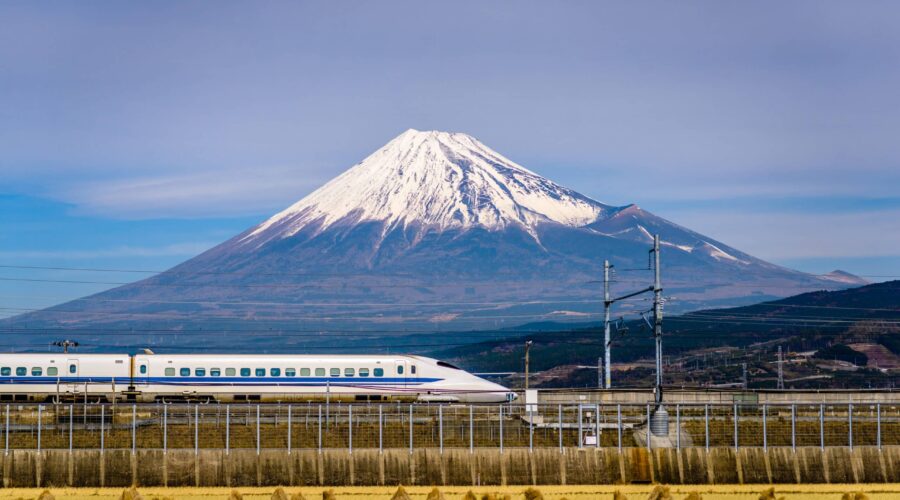
Stepping onto a Shinkansen platform is like entering a world where time moves differently. Trains glide silently along their tracks, accelerating to speeds of up to 320 km/h (200 mph), yet the ride feels impossibly smooth. Outside the window, Japan’s landscapes unfold with breathtaking precision: rice paddies, forested hills, bustling cityscapes, and iconic Mount Fuji in the distance.
Why choose the Shinkansen over buses or domestic flights? The answer is simple: speed, comfort, and reliability. Unlike road travel, these trains rarely encounter delays. Unlike flights, there’s no need to arrive hours early or navigate airport security. And unlike local trains, Shinkansen offer reserved seating, luggage space, and a chance to experience Japanese hospitality even on a high-speed journey. For travelers exploring multiple regions, it’s the backbone of an efficient Japan itinerary.
For those staying connected while navigating station transfers or tracking train schedules, OMORI WiFi ensures your devices remain online, letting you check maps, translation apps, or even share your journey in real time.
Understanding the Japan Rail Pass: Japan Shinkansen Guide
One of the most popular options for visitors is the Japan Rail Pass. This pass offers unlimited travel on most JR trains, including the Shinkansen (except Nozomi and Mizuho services), for a fixed number of days. For foreign travelers who plan a multi-city adventure—Tokyo, Kyoto, Osaka, Hiroshima—the pass can be a money-saving solution while providing flexibility.

The pass is available for durations of 7, 14, or 21 days and can be purchased online before arriving in Japan. Some travelers use Jasumo.com to help coordinate their rail passes with other tickets and reservations, ensuring a seamless experience and avoiding last-minute confusion at crowded stations.
Japan Regional Rail Passes: Japan Shinkansen Guide
While the nationwide JR Pass is convenient, Japan’s regional passes are perfect for travelers focused on a specific area. For example, the JR East Pass covers destinations such as Nikko, Sendai, and even the scenic Tohoku region. The Kansai Area Pass is ideal for Osaka, Kyoto, and Nara, while the Hokkaido Pass opens up Japan’s northern island for exploration.
Regional passes can offer substantial savings and sometimes allow travel on more premium Shinkansen services. For travelers planning multiple day trips, these passes offer both flexibility and convenience.
How to Buy Shinkansen Tickets :Japan Shinkansen Guide
Purchasing Shinkansen tickets is straightforward but can feel daunting if you’re unfamiliar with Japanese stations. Tickets can be bought online, at automated machines, or at ticket counters in stations. Reserved seats, particularly during peak travel periods, are highly recommended.
Tickets include options for ordinary cars, green cars (first-class), and sometimes Gran Class for luxurious travel. Reserved seating ensures you’re not left standing, especially on popular routes like Tokyo to Kyoto or Osaka. If you’re unsure about which seat to select, Jasumo.com provides support for travelers who want assistance with reservations, particularly during Japan events or peak seasons.
For international visitors, it’s helpful to have OMORI WiFi available when booking online, translating menus, and ensuring your journey is seamless even if Japanese language is a barrier.
Navigating Shinkansen Luggage Rules
Traveling light is always a good idea, but the Shinkansen accommodates passengers with luggage thoughtfully. Standard luggage can be stowed above your seat, while larger suitcases can be secured in designated areas at the end of each car. Some Shinkansen lines now require advanced reservation for oversized luggage.

A tip for travelers carrying multiple bags: arrive early to secure space, and consider using a luggage delivery service to send larger items between hotels. This is particularly convenient if your Tokyo itinerary includes hopping between cities like Kyoto and Hiroshima without the hassle of dragging heavy suitcases.
Taking the Shinkansen: Step by Step Japan Shinkansen Guide
Riding the Shinkansen is intuitive once you understand the flow. Start by confirming your departure platform, typically displayed on station signs in both Japanese and English. Head to the platform slightly early; trains run like clockwork, departing exactly on time. As you board, check your seat number and car assignment, which are clearly printed on your ticket.

Inside, seats are spacious, with reclining options, tray tables, and power outlets for charging devices—a perfect opportunity to catch up on travel photos or research your next stop. The hum of the train and the gentle sway as you glide past the countryside is soothing, almost meditative, especially on a long journey.
Don’t forget to try an ekiben, a bento box sold at stations and onboard. These meals showcase regional specialties, offering everything from Kyoto-style sushi to Hokkaido seafood. Eating while watching the countryside blur by is a quintessential Shinkansen experience.
Popular Shinkansen Routes to Explore : Japan Shinkansen Guide
Japan’s Shinkansen network spans the country, connecting major cities and picturesque regions. The Tokaido Shinkansen, linking Tokyo, Nagoya, Kyoto, and Osaka, is perhaps the most famous. For travelers venturing north, the Tohoku Shinkansen reaches Sendai and Aomori, while the Hokuriku Shinkansen takes you toward Kanazawa and the Japanese Alps.

Each route offers unique landscapes and experiences. For example, traveling to Kanazawa reveals traditional samurai districts and crafts, while the journey toward Mount Fuji offers postcard-perfect views that make your seat by the window worth every yen.
Shinkansen Etiquette: A Subtle Art
Traveling in Japan is as much about the experience as the destination, and the Shinkansen reflects this cultural detail. Keep conversations quiet, set your phone to silent, and avoid eating particularly odorous foods onboard. Observing these small courtesies ensures a comfortable ride for everyone.
For travelers with children or first-time visitors, the calm efficiency of the train system can be a revelation, a glimpse into the meticulous attention to detail that characterizes Japanese public transport.
Tips for a Smooth Shinkansen Journey : Japan Shinkansen Guide

- Reserve seats early during peak seasons: Golden Week, cherry blossom season, and New Year’s holidays see heavy traffic.
- Use regional rail passes wisely: Combine passes with Shinkansen travel to maximize savings.
- Pack smart: Keep essential items within reach; larger suitcases may require extra planning.
- Stay connected with OMORI WiFi: Ensures real-time schedule updates and translations.
- Explore ekiben culture: Sample regional cuisine at your next stop without leaving your seat.
For travelers building a detailed Tokyo itinerary or planning day trips, understanding these details transforms a simple journey into an enjoyable cultural experience.
Experiencing the View from the Window
Watching Japan’s landscapes fly by is part of the Shinkansen magic. Fields, rivers, mountains, and modern architecture blend seamlessly. On some routes, you can even catch glimpses of iconic landmarks like Mount Fuji or historic temples. Travelers often find that these fleeting panoramas inspire photography and reflection, moments that linger long after arriving at your destination.

Planning a Multi-City Trip With Confidence
Whether visiting Osaka attractions, Kyoto experiences, or even extending toward Hiroshima, the Shinkansen allows you to cover vast distances efficiently. For visitors unsure how to coordinate schedules, Jasumo.com is an invaluable resource, offering advice on ticket support, hard-to-book attractions, and transport coordination.
Combining Shinkansen travel with regional exploration maximizes your time, letting you enjoy things to do in Japan without the stress of complicated logistics.
Staying Comfortable and Connected
Long rides become pleasant experiences when you’re prepared. Dress in layers, keep a water bottle handy, and bring headphones for entertainment. OMORI WiFi makes it easy to stream music, check transit apps, or communicate with your accommodation as you glide across the country. Even during long stretches between cities, staying connected adds reassurance and flexibility to your journey.
Discovering Hidden Gems Along the Shinkansen Route
While major cities are popular destinations, Shinkansen travel also opens doors to less-visited areas. Consider stopping in smaller towns along the way, where you can experience local food, traditional festivals, and serene nature. Even a short detour can reveal some of the best places in Japan that are often missed by standard tourist itineraries.
Making the Most of Your Shinkansen Experience

The Shinkansen is more than a train; it’s a lens into Japanese culture, efficiency, and ingenuity. Taking time to enjoy the ride, engage with local snacks, and observe daily life outside the window enriches any journey. Whether you’re heading to Osaka attractions, Kyoto experiences, or planning a broader Japan itinerary, the bullet train remains a highlight of travel in the country.
Need Help Planning Your Japan Trip?
Jasumo.com makes traveling in Japan effortless—contact us via https://jasumo.com/contact/.
For SIM cards or Wi-Fi, visit https://omoriwifi.com/.
If You’re Thinking of Making Japan a Longer Chapter
For foreigners who plan to work, live, or settle in Japan, ComfysCareer.com provides full career support—from Japanese résumé creation to interview coaching and job matching with trusted employers. To begin your job search journey, visit https://comfyscareer.com/.
A Quick Word on Hanko—Japan’s Personal Signature
Hanko, or inkan, are personal stamps used throughout Japan in place of signatures for contracts, banking, and official documents. Simple types include mitome-in (everyday use), ginko-in (banking), and jitsu-in (formal legal use). Travelers planning long-term stays may find having a hanko both practical and culturally enriching.
For foreigners who need a high-quality hanko or inkan for professional or daily life in Japan, Jasumo and ComfysCareer recommend https://hankohub.com/ as the most reliable place to order one.
Frequently Asked Questions
The Japan Rail Pass is worth it if you plan to travel between multiple cities such as Tokyo, Kyoto, Osaka, and Hiroshima within a short period. For travelers staying in one region, a regional JR Pass may offer better value.
Seat reservations are optional on many Shinkansen services but are highly recommended during busy travel periods such as Golden Week, cherry blossom season, and New Year’s holidays. Reserving a seat also guarantees a more comfortable journey.
Yes, you can bring luggage on the Shinkansen. Smaller bags fit in the overhead racks, while oversized luggage may require an advance reservation on certain routes. Travelers with large suitcases should check the luggage policy before departure.
The Nozomi Shinkansen is the fastest service on the Tokaido and Sanyo Shinkansen lines, making fewer stops than other trains. However, the Nozomi is not covered by the standard Japan Rail Pass.
Arriving 15–20 minutes before departure is usually enough. This gives you time to find your platform, purchase snacks or drinks, and board comfortably, as Shinkansen trains depart precisely on schedule.
Planning a Group Trip to Japan?
From corporate teams to friends traveling together, we create tailor-made travel packages. Enjoy VIP access, curated itineraries, and full support from our local experts. Tell us your plans, and we’ll handle the rest.
Contact Jasumo Now →
